
Azulene
Azulene (CAS: 275-51-4, Formula: C10H8, MW: 128.17) is a bicyclic aromatic hydrocarbon known for its distinctive blue colour. It is a structural isomer of naphthalene but possesses a unique non-benzenoid aromatic system. Azulene serves as a valuable building block in organic synthesis and finds applications in areas related to cell biology and phytochemical research due to its presence in natural sources like chamomile and turmeric.
- IUPAC
- Bicyclo[5.3.0]decapentaene

Organic Synthesis Building Block
Azulene's unique electronic structure and reactivity make it a useful starting material or intermediate in the synthesis of more complex organic molecules, including novel aromatic systems and functionalised compounds.
Research in Cell Biology
As a compound found in certain plants and studied for its biological interactions, azulene is utilised in research settings to explore cellular mechanisms and potential bioactivities.
Phytochemical Studies
Azulene is a component of certain natural products, such as those derived from Chamamelum nobile and Curcuma longa. It is used in research to investigate the properties and effects of these natural compounds.
Material Science Research
The distinct optical properties of azulene may lend themselves to exploration in materials science, potentially for applications in dyes or electronic materials, though this remains an area of research.
| Molecular weight | 128.17 |
|---|---|
| Empirical formula | C10H8 |
| Assay | 99% |
| Boiling point | 242 °C(lit.) |
| Melting point | 98-100 °C(lit.) |

Hazard statements
- H411Toxic to aquatic life with long-lasting effects
Precautionary statements
- P273Avoid release to the environment
| Protective equipment | Eyeshields, Gloves |
|---|---|
| Transport (UN / ADR) | UN 3077 9 / PGIII |
| Water hazard class (WGK, DE) | 2 |
| Hazard codes (EU) | N |
| Risk statements (R) | 51/53 |
| Safety statements (S) | 61 |
Hazard information is provided for guidance. Always consult the product Safety Data Sheet (SDS), available on request, before handling.
Documentation
Every batch ships with a Certificate of Analysis covering assay, identity and purity; the grade is confirmed against your enquiry. Safety Data Sheets and technical data sheets are available on request.
Supply & logistics
Samples for technical evaluation; bulk MOQ by grade and packaging. In-stock material ships in 7–10 working days, worldwide, with full export documentation.
What is Azulene used for?
+
Azulene is primarily used as a building block in organic synthesis and in research related to cell biology and phytochemical studies. Its presence in natural sources like chamomile and turmeric also makes it a subject of interest in nutrition research.
What is the CAS number and formula for Azulene?
+
The CAS number for Azulene is 275-51-4, and its chemical formula is C10H8.
What grade and purity does Tech Serve Solutions supply for Azulene?
+
Tech Serve Solutions supplies Azulene with an assay of 99%. We do not represent this product as USP, BP, EP, or other pharmacopoeia grades unless explicitly stated in the specifications.
How should Azulene be handled safely?
+
Azulene is classified as hazardous to the aquatic environment (H411). Appropriate personal protective equipment, including eyeshields and gloves, should be worn during handling. It should be kept away from release into the environment (P273). Ensure adequate ventilation and refer to the Safety Data Sheet for comprehensive guidance.
Is Azulene a controlled substance?
+
The provided data does not indicate that Azulene is a controlled substance.
How is Azulene shipped or exported by TSS?
+
Azulene is shipped and exported according to relevant regulations, identified under UN 3077, Hazard Class 9, Packing Group III, for environmental hazards.
How can I request a sample or quote for Azulene?
+
To request a sample or a quote for Azulene, please contact the TSS sales team through our official website or designated contact channels.
▶ Related products
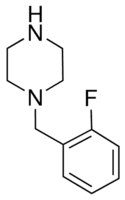
1-(2-Fluorobenzyl)piperazine
C11H15FN2
Chemical Synthesis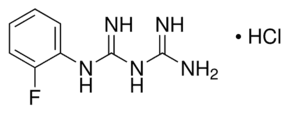
1-(2-Fluorophenyl)biguanide hydrochloride
Chemical Synthesis
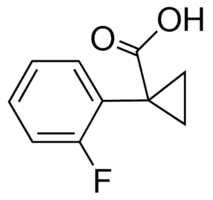
1-(2-Fluorophenyl)cyclopropanecarboxylic acid
C10H9FO2
Chemical Synthesis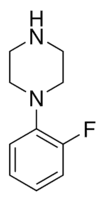
1-(2-Fluorophenyl)piperazine
C10H13FN2
Chemical Synthesis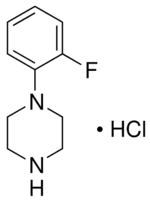
1-(2-Fluorophenyl)piperazine monohydrochloride
C10H13FN2 · HCl
Chemical Synthesis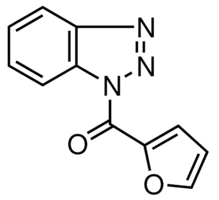
1-(2-Furoyl)-1H-benzotriazole
C11H7N3O2
Chemical Synthesis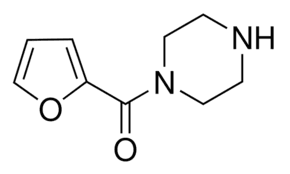
1-(2-Furoyl)piperazine
C9H12N2O2
Chemical Synthesis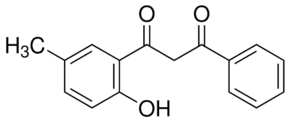
1-(2-Hydroxy-5-methylphenyl)-3-phenyl-1,3-propanedione
Chemical Synthesis
▶ Explore more

Bis(cyclopentadienyl)cobalt(III) hexafluorophosphate
C10H10CoF6P
Catalysis & Inorganic
1-(4-Chlorophenyl)biguanide hydrochloride
ClC6H4NHC(NH)NHC(NH)NH2 · HCl
Chemical Synthesis
Bis(cyclopentadienyl)dimethylzirconium(IV)
Catalysis & Inorganic

1-(4-Chlorophenyl)ethanol
ClC6H4CH(CH3)OH
Chemical Synthesis