
Argon
Argon (Ar, CAS 7440-37-1) is a noble gas renowned for its inertness. With a molecular weight of 39.95 g/mol, it finds extensive use as a protective atmosphere in welding and metal fabrication processes, preventing oxidation. It is also employed in lighting technologies, such as incandescent and fluorescent lamps, and in the production of high-purity crystalline structures for semiconductors. Its non-reactive nature makes it invaluable in various scientific and industrial applications.

Inert Atmosphere
Argon provides a non-reactive environment essential for welding, particularly TIG and MIG welding, to prevent contamination and oxidation of the metal being joined. It is also used in metallurgy for casting and refining reactive metals like titanium and aluminium.
Lighting
Its inert properties make argon suitable for filling incandescent and fluorescent light bulbs, enhancing their lifespan and performance by preventing filament oxidation and improving light output.
Semiconductor Manufacturing
Argon is used in the production of high-purity crystalline structures for semiconductors. It serves as a protective atmosphere during crystal growth and in various etching and sputtering processes.
Laboratory Applications
In laboratories, argon gas is utilised as a carrier gas in gas chromatography and as a shielding gas in certain analytical instruments, ensuring precise and reliable results.
| Molecular weight | 39.95 |
|---|---|
| Empirical formula | Ar |
| Assay | ≥99.998% |
| Boiling point | -185.7 °C(lit.) |
| Vapour density | 1.38 (21 °C, vs air) |
| Melting point | -189.2 °C(lit.) |

Hazard statements
- H280Contains gas under pressure; may explode if heated
Precautionary statements
- P410Protect from sunlight
| Protective equipment | Eyeshields, full-face respirator (US), Gloves, multi-purpose combination respirator cartridge (US) |
|---|---|
| Transport (UN / ADR) | UN 1006 2.2 |
| Water hazard class (WGK, DE) | nwg |
Hazard information is provided for guidance. Always consult the product Safety Data Sheet (SDS), available on request, before handling.
Documentation
Every batch ships with a Certificate of Analysis covering assay, identity and purity; the grade is confirmed against your enquiry. Safety Data Sheets and technical data sheets are available on request.
Supply & logistics
Samples for technical evaluation; bulk MOQ by grade and packaging. In-stock material ships in 7–10 working days, worldwide, with full export documentation.
What is Argon used for?
+
Argon (Ar, CAS 7440-37-1) is primarily used to create inert atmospheres for welding, metallurgy, and semiconductor manufacturing. It is also used in lighting, scientific instrumentation, and as a shielding gas.
What is the CAS number and formula for Argon?
+
The CAS number for Argon is 7440-37-1, and its chemical formula is Ar.
What grade and purity does Tech Serve Solutions supply?
+
Tech Serve Solutions supplies Argon with an assay of ≥99.998%. This is a technical/research grade product, and TSS does not represent it as USP, BP, EP, or any other pharmacopoeia standard.
How should Argon be handled safely?
+
Argon is supplied under pressure and can cause asphyxiation in high concentrations. Handle cylinders upright, secure them properly, and use in well-ventilated areas. Refer to the Safety Data Sheet (SDS) for detailed handling instructions and required personal protective equipment, which may include eyeshields and a respirator.
Is Argon a controlled substance?
+
No, Argon is not a controlled substance.
How is Argon shipped and exported?
+
Argon is typically shipped and exported in pressurised cylinders, adhering to all relevant transportation and international shipping regulations. UN 1006, Class 2.2 applies.
How can I request a quote or sample for Argon?
+
To request a quote or sample for Argon, please contact our sales team through the website or by phone, providing your specific requirements and shipping details.
▶ Related products
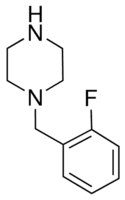
1-(2-Fluorobenzyl)piperazine
C11H15FN2
Chemical Synthesis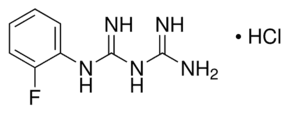
1-(2-Fluorophenyl)biguanide hydrochloride
Chemical Synthesis
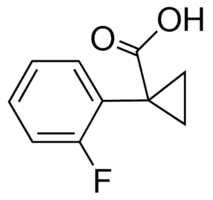
1-(2-Fluorophenyl)cyclopropanecarboxylic acid
C10H9FO2
Chemical Synthesis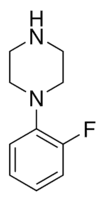
1-(2-Fluorophenyl)piperazine
C10H13FN2
Chemical Synthesis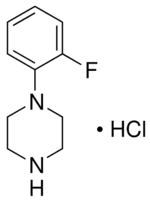
1-(2-Fluorophenyl)piperazine monohydrochloride
C10H13FN2 · HCl
Chemical Synthesis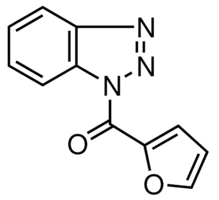
1-(2-Furoyl)-1H-benzotriazole
C11H7N3O2
Chemical Synthesis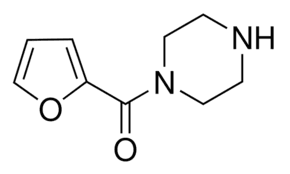
1-(2-Furoyl)piperazine
C9H12N2O2
Chemical Synthesis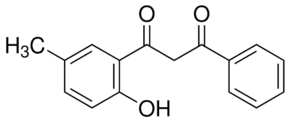
1-(2-Hydroxy-5-methylphenyl)-3-phenyl-1,3-propanedione
Chemical Synthesis
▶ Explore more

Bis(cyclopentadienyl)cobalt(III) hexafluorophosphate
C10H10CoF6P
Catalysis & Inorganic
1-(4-Chlorophenyl)biguanide hydrochloride
ClC6H4NHC(NH)NHC(NH)NH2 · HCl
Chemical Synthesis
Bis(cyclopentadienyl)dimethylzirconium(IV)
Catalysis & Inorganic

1-(4-Chlorophenyl)ethanol
ClC6H4CH(CH3)OH
Chemical Synthesis