
Anthracene
Anthracene (CAS 120-12-7), with the molecular formula C14H10, is a polycyclic aromatic hydrocarbon. It is a crystalline solid with a distinctive fluorescence. Anthracene serves as a fundamental building block in organic synthesis and finds applications in the development of dyes, scintillators, and advanced materials. Its solubility in various organic solvents facilitates its use in diverse chemical processes.
- IUPAC
- Anthraxcene,Paranaphthalene
- Synonyms
- Paranaphthalene

Organic Synthesis
Anthracene acts as a versatile building block in organic synthesis. Its reactive nature allows for participation in various chemical transformations, enabling the construction of more complex molecular structures.
Scintillation Materials
The compound is suitable for use in scintillation applications. Its fluorescence properties make it valuable for detecting and measuring ionizing radiation.
Dye and Pigment Precursors
Anthracene is a precursor in the synthesis of various dyes and pigments. Its structural motif is incorporated into molecules designed for colouration applications.
| Molecular weight | 178.23 |
|---|---|
| Empirical formula | C14H10 |
| Assay | 97% |
| Grade | purum |
| Boiling point | 340 °C(lit.) |
| Solubility | alcohols: solublebenzene: solublechloroform: solublehydronaphthalenes: solublesupercritical carbon dioxide: soluble |
| Concentration | 200 μg/mL in methanol |
| Melting point | 210-215 °C(lit.) |
| Vapour pressure | 1 mmHg (145 °C) |
| Vapour density | 6.15 (vs air) |
| Autoignition temp | 1004 °F |
| Application | Anthracene has been shown to be soluble in a variety of binary and ternary mixtures of cyclohexanone, ethyl acetate, and methanol 1,2. |
| Suitability | suitable for scintillation |


Hazard statements
- H315Causes skin irritation
- H319Causes serious eye irritation
- H335May cause respiratory irritation
- H410Very toxic to aquatic life with long-lasting effects
Precautionary statements
- P261Avoid breathing dust, fume, gas or vapours
- P273Avoid release to the environment
- P305IF IN EYES
- P501Dispose of contents and container per local regulations
| Protective equipment | dust mask type N95 (US), Eyeshields, Gloves |
|---|---|
| Flash point | 121 °C / 249.8 °F |
| Transport (UN / ADR) | UN 3077 9 / PGIII |
| Water hazard class (WGK, DE) | 2 |
| Hazard codes (EU) | Xi,N |
| Risk statements (R) | 36/37/38-50/53 |
| Safety statements (S) | 26-60-61 |
Hazard information is provided for guidance. Always consult the product Safety Data Sheet (SDS), available on request, before handling.
| Colour Index Number | 10790 |
|---|---|
| Fluorescence | λex 251 nm; λem 401 nm in acetonitrile |
| Orbital Energy | HOMO 5.7 eV LUMO 1.7 eV |
| Sublimation Residue | ≤0.1% |
Documentation
Every batch ships with a Certificate of Analysis covering assay, identity and purity; the grade is confirmed against your enquiry. Safety Data Sheets and technical data sheets are available on request.
Supply & logistics
Samples for technical evaluation; bulk MOQ by grade and packaging. In-stock material ships in 7–10 working days, worldwide, with full export documentation.
What is Anthracene used for?
+
Anthracene is used as a building block in organic synthesis, in the development of dyes, as a scintillator material, and in the creation of advanced materials. It is also noted for its solubility in a variety of organic solvents and its fluorescence.
What is the CAS number and formula for Anthracene?
+
The CAS number for Anthracene is 120-12-7 and its molecular formula is C14H10.
What grade and purity does Tech Serve Solutions supply?
+
Tech Serve Solutions supplies Anthracene at 97% purity, designated as 'purum' grade. We do not represent this product as USP, BP, EP or any other pharmacopoeia grade unless explicitly stated in the product documentation.
How should Anthracene be handled?
+
Anthracene is classified with warning signal word and has hazard statements H315, H319, H335, and H410, indicating it can cause skin irritation, serious eye irritation, respiratory irritation, and is very toxic to aquatic life with long lasting effects. Appropriate personal protective equipment including a dust mask (type N95 US), eyeshields, and gloves should be used. Handle in a well-ventilated area.
How is Anthracene packed, shipped, and exported?
+
Anthracene is shipped as UN 3077, Class 9, Packing Group III, under regulations for environmentally hazardous substances. Tech Serve Solutions exports globally, adhering to all relevant shipping and customs regulations.
How can I request a sample or quote for Anthracene?
+
To request a sample or a quote for Anthracene, please contact our sales team through the website or by calling our dedicated line. Please provide your contact details and the quantity required.
▶ Related products
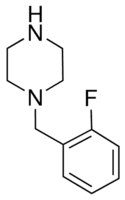
1-(2-Fluorobenzyl)piperazine
C11H15FN2
Chemical Synthesis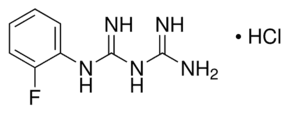
1-(2-Fluorophenyl)biguanide hydrochloride
Chemical Synthesis
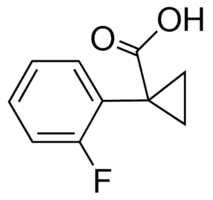
1-(2-Fluorophenyl)cyclopropanecarboxylic acid
C10H9FO2
Chemical Synthesis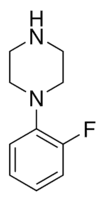
1-(2-Fluorophenyl)piperazine
C10H13FN2
Chemical Synthesis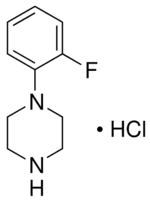
1-(2-Fluorophenyl)piperazine monohydrochloride
C10H13FN2 · HCl
Chemical Synthesis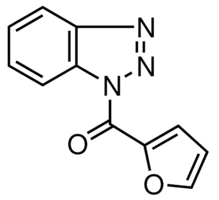
1-(2-Furoyl)-1H-benzotriazole
C11H7N3O2
Chemical Synthesis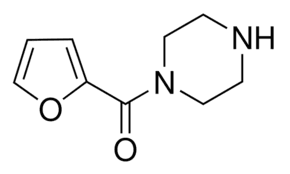
1-(2-Furoyl)piperazine
C9H12N2O2
Chemical Synthesis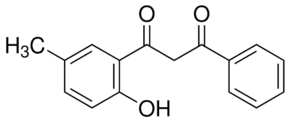
1-(2-Hydroxy-5-methylphenyl)-3-phenyl-1,3-propanedione
Chemical Synthesis
▶ Explore more

Bis(cyclopentadienyl)cobalt(III) hexafluorophosphate
C10H10CoF6P
Catalysis & Inorganic
1-(4-Chlorophenyl)biguanide hydrochloride
ClC6H4NHC(NH)NHC(NH)NH2 · HCl
Chemical Synthesis
Bis(cyclopentadienyl)dimethylzirconium(IV)
Catalysis & Inorganic

1-(4-Chlorophenyl)ethanol
ClC6H4CH(CH3)OH
Chemical Synthesis