
Angelicin
Angelicin (CAS: 523-50-2), a furocoumarin with the molecular formula C11H6O3 and a molecular weight of 186.16 g/mol, is a photoactivatable molecule. It interacts with DNA and unsaturated fatty acids, forming monoadducts. Angelicin is explored for its potential in phototherapy and for understanding its mechanisms affecting RNA and DNA synthesis. It is supplied by TSS for research and laboratory applications.
- IUPAC
- 2-Oxo-(2H)-furo(2,3-h)-1-benzopyran,2H-Furo[2,3-h]-1-benzopyran-2-one,NSC 404563
- Synonyms
- 2-Oxo-(2H)-furo(2,3-h)-1-benzopyran2H-Furo[2,3-h]-1-benzopyran-2-oneNSC 404563

Photodynamic Therapy Research
Angelicin serves as a photoactivatable agent in research settings. Its ability to form monoadducts with DNA and unsaturated fatty acids under light exposure makes it a subject of study for potential phototherapeutic applications.
DNA and RNA Synthesis Studies
This compound is utilised to investigate its mechanisms of action, particularly its effects on RNA and DNA synthesis. Understanding these interactions is crucial for cellular biology research.
Cellular Biology Investigations
As a bioactive small molecule, Angelicin is employed in cell biology research to explore processes such as apoptosis and cell cycle regulation. Its role in cell signaling pathways is also a focus of study.
| Molecular weight | 186.16 |
|---|---|
| Empirical formula | C11H6O3 |
| Storage temperature | 2-8°C |
| Application | Angelicin, an angular furocoumarin, may be used as a photoactivatable molecule that reacts with DNA and unsaturated fatty acids to form monoadducts. Angelicin may be studied as a potential phototherapeutic and to understand its mechanisms of action and effects on RNA and DNA synthesis. |


Hazard statements
- H302Harmful if swallowed
- H312Harmful in contact with skin
- H315Causes skin irritation
- H319Causes serious eye irritation
- H332Harmful if inhaled
- H335May cause respiratory irritation
- H351Suspected of causing cancer
Precautionary statements
- P261Avoid breathing dust, fume, gas or vapours
- P280Wear protective gloves, clothing and eye/face protection
- P305IF IN EYES
| Protective equipment | Eyeshields, Faceshields, full-face particle respirator type N100 (US), Gloves, respirator cartridge type N100 (US), type P1 (EN143) respirator filter, type P3 (EN 143) respirator cartridges |
|---|---|
| Water hazard class (WGK, DE) | 3 |
| Hazard codes (EU) | Xn |
| Risk statements (R) | 20/21/22-36/37/38-40 |
| Safety statements (S) | 26-36/37/39 |
Hazard information is provided for guidance. Always consult the product Safety Data Sheet (SDS), available on request, before handling.
Documentation
Every batch ships with a Certificate of Analysis covering assay, identity and purity; the grade is confirmed against your enquiry. Safety Data Sheets and technical data sheets are available on request.
Supply & logistics
Samples for technical evaluation; bulk MOQ by grade and packaging. In-stock material ships in 7–10 working days, worldwide, with full export documentation.
What is Angelicin primarily used for?
+
Angelicin is used in research as a photoactivatable molecule that reacts with DNA and unsaturated fatty acids. It is studied for its potential in phototherapy and to understand its effects on RNA and DNA synthesis.
What are the CAS number and chemical formula for Angelicin?
+
The CAS number for Angelicin is 523-50-2, and its chemical formula is C11H6O3.
What grade and purity does Tech Serve Solutions supply?
+
Tech Serve Solutions supplies Angelicin for research and laboratory use. The specific grade and purity are detailed in the product specifications; TSS does not represent this product as USP, BP, or EP grade.
How should Angelicin be handled safely?
+
Angelicin is classified with Warning signal word and hazard statements including H302 (Harmful if swallowed), H312 (Harmful in contact with skin), H315 (Causes skin irritation), H319 (Causes serious eye irritation), H332 (Harmful if inhaled), H335 (May cause respiratory irritation), and H351 (Suspected of causing cancer). Appropriate personal protective equipment, including eyeshields, gloves, and respiratory protection (e.g., N100 or P3 filters), must be used. Handle in a well-ventilated area.
Is Angelicin a controlled substance?
+
Based on the provided data, Angelicin is not indicated as a controlled substance.
How is Angelicin packed, shipped, and exported by TSS?
+
Tech Serve Solutions ensures appropriate packing for the safe transport of Angelicin, adhering to international shipping regulations for chemicals. We are experienced global exporters.
How can I request a sample or quote for Angelicin?
+
To request a sample or a quotation for Angelicin, please contact our sales department through the details provided on the Tech Serve Solutions website.
▶ Related products
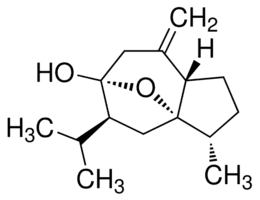
(−)-Curcumol
C15H24O2
Cell Biology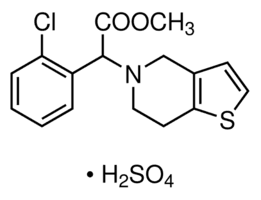
(±) Clopidogrel hydrogensulfate
Cell Biology
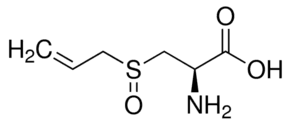
(±)-L-Alliin
C6H11NO3S
Cell Biology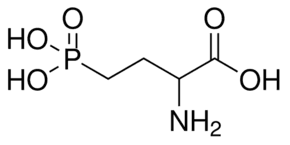
(±)-2-Amino-4-phosphonobutyric acid
C4H10NO5P
Cell Biology
(±)-2-Methylarachidonoyl-2′-fluoroethylamide
C23H38NOF
Cell Biology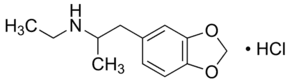
(±)-3,4-Methylenedioxy-N-ethylamphetamine hydrochloride
Cell Biology
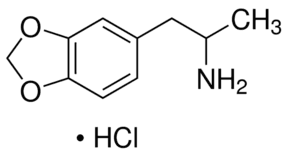
(±)-3,4-Methylenedioxyamphetamine hydrochloride
Cell Biology
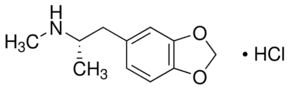
(±)-3,4-Methylenedioxymethamphetamine hydrochloride
Cell Biology
▶ Explore more

Bis(cyclopentadienyl)cobalt(III) hexafluorophosphate
C10H10CoF6P
Catalysis & Inorganic
1-(4-Chlorophenyl)biguanide hydrochloride
ClC6H4NHC(NH)NHC(NH)NH2 · HCl
Chemical Synthesis
Bis(cyclopentadienyl)dimethylzirconium(IV)
Catalysis & Inorganic

1-(4-Chlorophenyl)ethanol
ClC6H4CH(CH3)OH
Chemical Synthesis