
Amyloid β-Protein Fragment 22-35
Amyloid β-Protein Fragment 22-35 (CAS: 144189-71-9), a synthetic peptide with the molecular formula C59H102N16O21S and a molecular weight of 1403.60 g/mol, is crucial for neurobiological research. This fragment plays a role in understanding the mechanisms of neurodegenerative diseases, particularly Alzheimer's disease. It serves as a valuable tool in cell biology and neuroscience studies investigating protein aggregation and cellular signaling pathways.
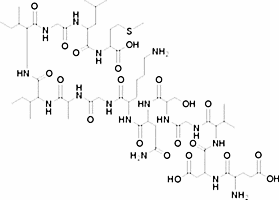
Alzheimer's Disease Research
This peptide fragment is extensively used in research models to study the pathological mechanisms of Alzheimer's disease, including amyloid plaque formation and neurotoxicity.
Neurobiology and Neuroscience
It serves as a critical reagent for investigating neuronal function, cell signaling, and neurodegenerative processes at the molecular and cellular levels.
Cell Biology Studies
Amyloid β-Protein Fragment 22-35 is employed in cell-based assays to explore its effects on cellular viability, apoptosis, and other biological responses.
Peptide Synthesis and Analysis
Used as a standard or research tool in the development and validation of analytical methods for peptide characterisation.
| Molecular weight | 1403.60 |
|---|---|
| Empirical formula | C59H102N16O21S |
| Assay | ≥95% (HPLC) |
| Storage temperature | −20°C |
| Protective equipment | Eyeshields, Gloves, type N95 (US), type P1 (EN143) respirator filter |
|---|---|
| Water hazard class (WGK, DE) | 3 |
Hazard information is provided for guidance. Always consult the product Safety Data Sheet (SDS), available on request, before handling.
| Gene Information | human ... APP(351) |
|---|
Documentation
Every batch ships with a Certificate of Analysis covering assay, identity and purity; the grade is confirmed against your enquiry. Safety Data Sheets and technical data sheets are available on request.
Supply & logistics
Samples for technical evaluation; bulk MOQ by grade and packaging. In-stock material ships in 7–10 working days, worldwide, with full export documentation.
What is Amyloid β-Protein Fragment 22-35 used for?
+
Amyloid β-Protein Fragment 22-35 is primarily used for research into neurodegenerative diseases, particularly Alzheimer's disease, as well as in cell biology and neuroscience studies to investigate cellular signaling and protein aggregation.
What are the CAS number and formula for Amyloid β-Protein Fragment 22-35?
+
The CAS number is 144189-71-9 and the empirical formula is C59H102N16O21S.
What grade and purity does Tech Serve Solutions supply?
+
Tech Serve Solutions supplies Amyloid β-Protein Fragment 22-35 with a purity of ≥95% (HPLC). We do not represent this product as USP, BP, or EP grade.
What are the safety and handling recommendations for this product?
+
Appropriate personal protective equipment, including eyeshields, gloves, and a type N95 (US) or type P1 (EN143) respirator filter, should be used. The product has a WGK Germany classification of 3, indicating significant hazard.
How is this product packed, shipped, and exported?
+
This product requires storage at -20°C. TSS ensures appropriate packaging for stability during shipping and handles global exports in compliance with regulations.
How can I request a sample or quote for Amyloid β-Protein Fragment 22-35?
+
Please contact our sales team via the website or listed phone number to request a sample or a formal quotation for Amyloid β-Protein Fragment 22-35.
▶ Related products
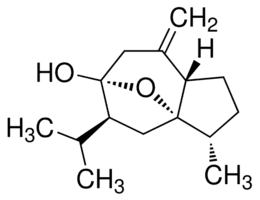
(−)-Curcumol
C15H24O2
Cell Biology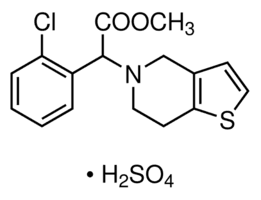
(±) Clopidogrel hydrogensulfate
Cell Biology
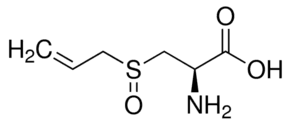
(±)-L-Alliin
C6H11NO3S
Cell Biology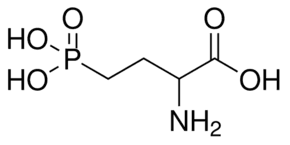
(±)-2-Amino-4-phosphonobutyric acid
C4H10NO5P
Cell Biology
(±)-2-Methylarachidonoyl-2′-fluoroethylamide
C23H38NOF
Cell Biology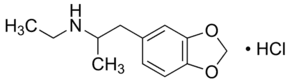
(±)-3,4-Methylenedioxy-N-ethylamphetamine hydrochloride
Cell Biology
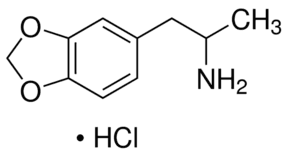
(±)-3,4-Methylenedioxyamphetamine hydrochloride
Cell Biology
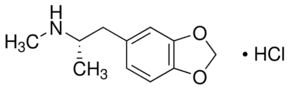
(±)-3,4-Methylenedioxymethamphetamine hydrochloride
Cell Biology
▶ Explore more

Bis(cyclopentadienyl)cobalt(III) hexafluorophosphate
C10H10CoF6P
Catalysis & Inorganic
1-(4-Chlorophenyl)biguanide hydrochloride
ClC6H4NHC(NH)NHC(NH)NH2 · HCl
Chemical Synthesis
Bis(cyclopentadienyl)dimethylzirconium(IV)
Catalysis & Inorganic

1-(4-Chlorophenyl)ethanol
ClC6H4CH(CH3)OH
Chemical Synthesis