
Ammonium dichromate
Ammonium dichromate (CAS 7789-09-5), with the linear formula (NH₄)₂Cr₂O₇ and a molecular weight of 252.06 g/mol, is a vibrant orange-red crystalline solid. It functions as a potent oxidizing agent and is employed in various chemical syntheses. Its strong oxidizing properties also lend it to applications in pyrotechnics and as a component in certain speciality chemical formulations. Ammonium dichromate requires careful handling due to its hazardous nature.
- IUPAC
- Ammonium bichromate
- Synonyms
- Ammonium bichromate

Chemical Synthesis
Ammonium dichromate serves as an oxidizing agent in organic and inorganic synthesis, facilitating specific chemical transformations. It is a key reagent for introducing oxygen atoms or increasing the oxidation state of substrates.
Pyrotechnics
Due to its oxidizing capabilities, ammonium dichromate is used in the formulation of pyrotechnic compositions. It contributes to the combustion process, producing vivid colour effects.
Laboratory Reagent
As a standard laboratory reagent, it is utilised in analytical procedures and research requiring a strong oxidizing agent. Its properties are valuable for various chemical investigations.
| Molecular weight | 252.06 |
|---|---|
| Linear formula | (NH4)2Cr2O7 |
| Assay | ≥97.0% (RT) |
| Grade | ACS reagent |
| pH | 3.0-4.0 (25 °C, 50 mg/mL in H2O) |
| Vapour density | 8.7 (vs air) |
| Loss on drying | ≤3% loss on drying |
| Melting point | 170 °C (dec.)(lit.) |


Hazard statements
- H272May intensify fire; oxidiser
- H301Toxic if swallowed
- H312Harmful in contact with skin
- H314Causes severe skin burns and eye damage
- H317May cause an allergic skin reaction
- H330Fatal if inhaled
- H334May cause allergy or asthma symptoms if inhaled
- H340May cause genetic defects
- H350May cause cancer
- H360FD
- H372Causes damage to organs through prolonged exposure
- H410Very toxic to aquatic life with long-lasting effects
Precautionary statements
- P201Obtain special instructions before use
- P220Keep away from clothing and combustible materials
- P260Do not breathe dust, fume, gas, mist, vapours or spray
- P273Avoid release to the environment
- P280Wear protective gloves, clothing and eye/face protection
- P284Wear respiratory protection
| Transport (UN / ADR) | UN 1439 5.1 / PGII |
|---|---|
| Water hazard class (WGK, DE) | 3 |
| Hazard codes (EU) | E,T+,N |
| Risk statements (R) | 45-46-60-61-2-8-21-25-26-34-42/43-48/23-50/53 |
| Safety statements (S) | 53-45-60-61 |
| Cation traces | Ca: ≤50 mg/kgCd: ≤50 mg/kgCo: ≤50 mg/kgCu: ≤50 mg/kgFe: ≤50 mg/kgK: ≤2000 mg/kgNa: ≤500 mg/kgNi: ≤50 mg/kgPb: ≤50 mg/kgZn: ≤50 mg/kg |
| Anion traces | chloride (Cl-): ≤200 mg/kgsulfate (SO42-): ≤200 mg/kg |
Hazard information is provided for guidance. Always consult the product Safety Data Sheet (SDS), available on request, before handling.
Documentation
Every batch ships with a Certificate of Analysis covering assay, identity and purity; the grade is confirmed against your enquiry. Safety Data Sheets and technical data sheets are available on request.
Supply & logistics
Samples for technical evaluation; bulk MOQ by grade and packaging. In-stock material ships in 7–10 working days, worldwide, with full export documentation.
What is Ammonium dichromate used for?
+
Ammonium dichromate (CAS 7789-09-5) is primarily used as a strong oxidizing agent in chemical synthesis, pyrotechnics, and as a laboratory reagent for various analytical and research purposes.
What are the CAS number and chemical formula for Ammonium dichromate?
+
The CAS number for Ammonium dichromate is 7789-09-5, and its linear formula is (NH₄)₂Cr₂O₇.
What grade and purity does Tech Serve Solutions supply?
+
Tech Serve Solutions supplies Ammonium dichromate in ACS reagent grade, with an assay of ≥97.0%. We do not represent this product as USP, BP, or EP grade.
How should Ammonium dichromate be handled safely?
+
Ammonium dichromate is a dangerous substance marked with GHS03, GHS05, GHS06, GHS08, and GHS09 symbols, requiring Danger as a signal word. It is H272 (May intensify fire; oxidizer), H301 (Toxic if swallowed), H312 (Toxic in contact with skin), H314 (Causes severe skin burns and eye damage), H317 (May cause an allergic skin reaction), H330 (Fatal if inhaled), H334 (May cause allergy or asthma symptoms or breathing difficulties if inhaled), H340 (May cause genetic defects), H350 (May cause cancer), H360FD (May damage fertility. May damage the unborn child), H372 (Causes damage to organs through prolonged or repeated exposure), and H410 (Very toxic to aquatic life with long lasting effects). Strict adherence to safety protocols, including appropriate personal protective equipment and ventilation, is essential.
Is Ammonium dichromate a controlled substance?
+
While the provided data does not explicitly list Ammonium dichromate as a controlled substance in all jurisdictions, its hazardous properties (carcinogenic, mutagenic, toxic) necessitate stringent regulatory compliance and careful management in accordance with national and international chemical control laws.
How is Ammonium dichromate packed and shipped?
+
Ammonium dichromate is packed and shipped according to UN 1439 regulations for oxidizing substances (Class 5.1, PGII). TSS exports chemicals globally, adhering to all relevant transportation and customs requirements.
How can I request a quote or sample of Ammonium dichromate?
+
To request a quote or a sample of Ammonium dichromate, please contact our sales team through the TSS website, providing your specific requirements.
▶ Related products
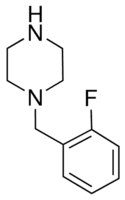
1-(2-Fluorobenzyl)piperazine
C11H15FN2
Chemical Synthesis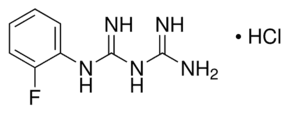
1-(2-Fluorophenyl)biguanide hydrochloride
Chemical Synthesis
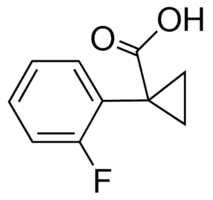
1-(2-Fluorophenyl)cyclopropanecarboxylic acid
C10H9FO2
Chemical Synthesis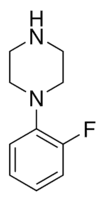
1-(2-Fluorophenyl)piperazine
C10H13FN2
Chemical Synthesis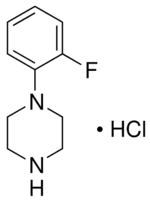
1-(2-Fluorophenyl)piperazine monohydrochloride
C10H13FN2 · HCl
Chemical Synthesis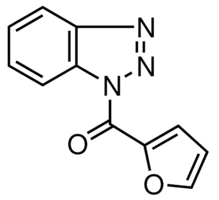
1-(2-Furoyl)-1H-benzotriazole
C11H7N3O2
Chemical Synthesis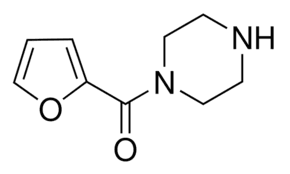
1-(2-Furoyl)piperazine
C9H12N2O2
Chemical Synthesis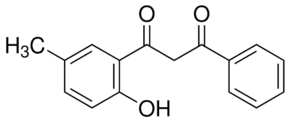
1-(2-Hydroxy-5-methylphenyl)-3-phenyl-1,3-propanedione
Chemical Synthesis
▶ Explore more

Bis(cyclopentadienyl)cobalt(III) hexafluorophosphate
C10H10CoF6P
Catalysis & Inorganic
1-(4-Chlorophenyl)biguanide hydrochloride
ClC6H4NHC(NH)NHC(NH)NH2 · HCl
Chemical Synthesis
Bis(cyclopentadienyl)dimethylzirconium(IV)
Catalysis & Inorganic

1-(4-Chlorophenyl)ethanol
ClC6H4CH(CH3)OH
Chemical Synthesis