Alexidine dihydrochloride
Alexidine dihydrochloride (CAS: 1715-30-6) is a chemical compound with the formula C26H56N10 · 2HCl and a molecular weight of 581.71. It is recognised for its bioactive properties, finding use in cell biology research. This compound is supplied by Tech Serve Solutions, a trusted global provider of fine chemicals and laboratory reagents since 1998, ensuring quality for demanding scientific applications.
- IUPAC
- 1,1′-Hexamethylene-bis(5-[2-ethylhexyl]biguanide)

Biochemical Research
Alexidine dihydrochloride is utilised as a tool in biochemical research, particularly within cell biology studies. Its properties allow scientists to investigate cellular mechanisms and functions.
Cell Biology Investigations
This compound serves as a valuable reagent in cell biology, enabling researchers to explore various cellular processes. It is employed in experiments requiring specific biochemical interactions.
Drug Discovery and Development
As a bioactive small molecule, Alexidine dihydrochloride may be investigated for its potential in drug discovery and development programmes. Its unique structure could offer avenues for therapeutic research.
| Molecular weight | 581.71 |
|---|---|
| Empirical formula | C26H56N10 · 2HCl |
| Assay | ≥95% (HPLC) |
| Solubility | DMSO: ≥10 mg/mL |
| Storage temperature | −20°C |

Hazard statements
- H315Causes skin irritation
- H319Causes serious eye irritation
- H335May cause respiratory irritation
Precautionary statements
- P261Avoid breathing dust, fume, gas or vapours
- P305IF IN EYES
| Water hazard class (WGK, DE) | 3 |
|---|---|
| Hazard codes (EU) | Xi |
| Risk statements (R) | 36/37/38 |
| Safety statements (S) | 26 |
Hazard information is provided for guidance. Always consult the product Safety Data Sheet (SDS), available on request, before handling.
Documentation
Every batch ships with a Certificate of Analysis covering assay, identity and purity; the grade is confirmed against your enquiry. Safety Data Sheets and technical data sheets are available on request.
Supply & logistics
Samples for technical evaluation; bulk MOQ by grade and packaging. In-stock material ships in 7–10 working days, worldwide, with full export documentation.
What is Alexidine dihydrochloride primarily used for?
+
Alexidine dihydrochloride is primarily used in biochemical research and cell biology investigations due to its bioactive properties.
What is the CAS number and molecular formula for Alexidine dihydrochloride?
+
The CAS number for Alexidine dihydrochloride is 1715-30-6, and its molecular formula is C26H56N10 · 2HCl.
What grade and purity does Tech Serve Solutions supply for Alexidine dihydrochloride?
+
Tech Serve Solutions supplies Alexidine dihydrochloride with an assay of ≥95% (HPLC). TSS does not represent this product as USP, BP, EP, or other pharmacopoeial grades.
How should Alexidine dihydrochloride be handled and stored?
+
Alexidine dihydrochloride is classified as a Warning, with hazards including skin irritation (H315), eye irritation (H319), and respiratory irritation (H335). It should be handled with appropriate personal protective equipment in a well-ventilated area, and stored at -20°C.
How is Alexidine dihydrochloride packed and shipped?
+
Alexidine dihydrochloride is carefully packed to maintain its integrity during transit and is exported globally by Tech Serve Solutions. Specific packing details are available upon request.
How can I request a sample or quote for Alexidine dihydrochloride?
+
To request a sample or quote for Alexidine dihydrochloride, please contact the Tech Serve Solutions sales team through our website or by phone.
▶ Related products
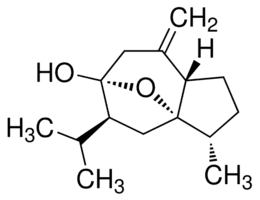
(−)-Curcumol
C15H24O2
Cell Biology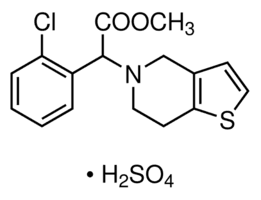
(±) Clopidogrel hydrogensulfate
Cell Biology
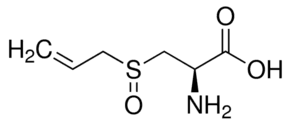
(±)-L-Alliin
C6H11NO3S
Cell Biology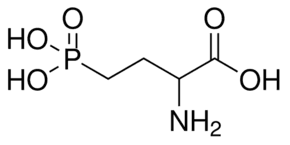
(±)-2-Amino-4-phosphonobutyric acid
C4H10NO5P
Cell Biology
(±)-2-Methylarachidonoyl-2′-fluoroethylamide
C23H38NOF
Cell Biology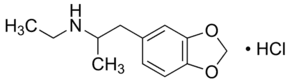
(±)-3,4-Methylenedioxy-N-ethylamphetamine hydrochloride
Cell Biology
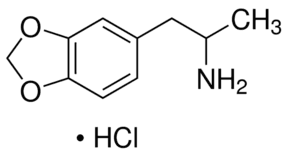
(±)-3,4-Methylenedioxyamphetamine hydrochloride
Cell Biology
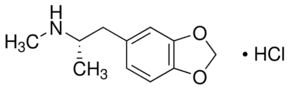
(±)-3,4-Methylenedioxymethamphetamine hydrochloride
Cell Biology