
Alantolactone
Alantolactone (CAS: 546-43-0, C15H20O2) is a natural sesquiterpene lactone isolated from plants like elecampane. With a molecular weight of 232.32 g/mol, this compound is primarily utilised in biochemical research. It serves as a valuable tool in studies related to cell biology, cell signalling, and the broader fields of cytokines and growth factors. TSS supplies Alantolactone for laboratory and research applications.
- IUPAC
- (+)-Alantolactone.,3aR,5S,8aR,9aR)-3a,5,6,7,8,8a,9,9a-Octahydro-5,8a-dimethyl-3-methylene-naphtho[2,3-b]furan-2(3H)-one,Alant camphor,Elecampane camphor,Eupatal,Inula camphor,NSC 333843,NSC 93131
- Synonyms
- (+)-AlantolactoneAlant camphorElecampane camphorEupatalInula camphorNSC 333843NSC 931313aR,5S,8aR,9aR)-3a,5,6,7,8,8a,9,9a-Octahydro-5,8a-dimethyl-3-methylene-naphtho[2,3-b]furan-2(3H)-one

Cell Biology Research
Alantolactone is employed in cell biology studies to investigate cellular processes and responses. Its biological activity makes it a compound of interest for understanding fundamental cellular mechanisms.
Cell Signaling Investigations
This sesquiterpene lactone is utilised in research focused on cell signalling pathways. It can help researchers elucidate the complex communication networks within and between cells.
Cytokine and Growth Factor Studies
Alantolactone finds application in research involving cytokines and growth factors. It may be used as a tool to explore the roles and interactions of these critical signalling molecules.
| Molecular weight | 232.32 |
|---|---|
| Empirical formula | C15H20O2 |
| Assay | ≥98% (HPLC) |
| Solubility | DMSO: soluble15 mg/mL (clear solution) |
| Storage temperature | −20°C |

Hazard statements
- H317May cause an allergic skin reaction
Precautionary statements
- P280Wear protective gloves, clothing and eye/face protection
| Water hazard class (WGK, DE) | 3 |
|---|---|
| Hazard codes (EU) | Xi |
| Risk statements (R) | 43 |
| Safety statements (S) | 36/37 |
Hazard information is provided for guidance. Always consult the product Safety Data Sheet (SDS), available on request, before handling.
| Storage Condition | desiccatedprotect from light |
|---|
Documentation
Every batch ships with a Certificate of Analysis covering assay, identity and purity; the grade is confirmed against your enquiry. Safety Data Sheets and technical data sheets are available on request.
Supply & logistics
Samples for technical evaluation; bulk MOQ by grade and packaging. In-stock material ships in 7–10 working days, worldwide, with full export documentation.
What is Alantolactone used for?
+
Alantolactone is used in research related to cell biology, cell signalling, cytokines, and growth factors. It is a sesquiterpene lactone derived from natural sources.
What are the CAS number and formula for Alantolactone?
+
The CAS number for Alantolactone is 546-43-0, and its molecular formula is C15H20O2.
What grade and purity does Tech Serve Solutions supply?
+
Tech Serve Solutions supplies Alantolactone with an assay of ≥98% (HPLC). TSS does not represent this product as USP, BP, EP, or pharmaceutical grade.
How should Alantolactone be handled and stored?
+
Alantolactone is classified as a warning substance (GHS07, Signal Word: Warning) and may cause an allergic skin reaction (H317). It should be stored desiccated and protected from light at -20°C.
How is Alantolactone packed and exported?
+
Alantolactone is carefully packed to ensure stability during transport and is exported globally by TSS. Storage conditions require protection from light and desiccated conditions at -20°C.
How can I request a quote or sample for Alantolactone?
+
To request a quote or sample for Alantolactone, please contact our sales team via the website or by phone.
▶ Related products
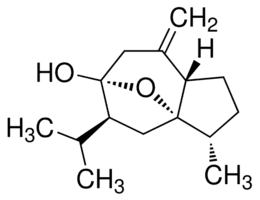
(−)-Curcumol
C15H24O2
Cell Biology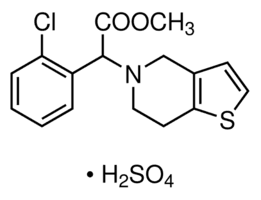
(±) Clopidogrel hydrogensulfate
Cell Biology
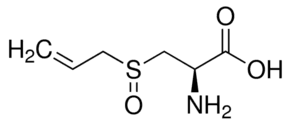
(±)-L-Alliin
C6H11NO3S
Cell Biology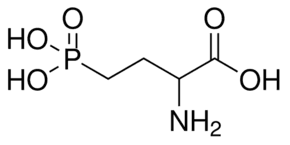
(±)-2-Amino-4-phosphonobutyric acid
C4H10NO5P
Cell Biology
(±)-2-Methylarachidonoyl-2′-fluoroethylamide
C23H38NOF
Cell Biology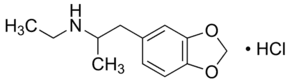
(±)-3,4-Methylenedioxy-N-ethylamphetamine hydrochloride
Cell Biology
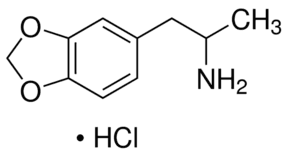
(±)-3,4-Methylenedioxyamphetamine hydrochloride
Cell Biology
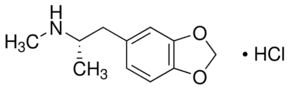
(±)-3,4-Methylenedioxymethamphetamine hydrochloride
Cell Biology
▶ Explore more
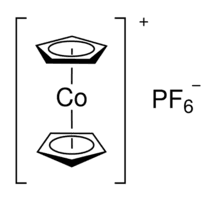
Bis(cyclopentadienyl)cobalt(III) hexafluorophosphate
C10H10CoF6P
Catalysis & Inorganic
1-(4-Chlorophenyl)biguanide hydrochloride
ClC6H4NHC(NH)NHC(NH)NH2 · HCl
Chemical Synthesis
Bis(cyclopentadienyl)dimethylzirconium(IV)
Catalysis & Inorganic
1-(4-Chlorophenyl)ethanol
ClC6H4CH(CH3)OH
Chemical Synthesis