Acryloyl chloride
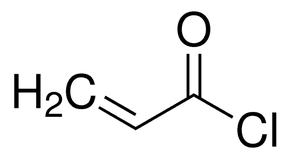
Acryloyl chloride (CAS: 814-68-6), with the molecular formula CH 2 =CHCOCl and a molar mass of 90.51 g/mol, is a reactive acid halide. It is a critical building block in organic synthesis, primarily utilised for introducing the acryloyl group into various molecules. This compound is essential in the preparation of polymers, pharmaceuticals, and agricultural chemicals due to its versatile reactivity.
- IUPAC
- 2-Propenoyl chloride
- Synonyms
- 2-Propenoyl chloride
Polymer Synthesis
Acryloyl chloride serves as a monomer or co-monomer in the production of various polymers and copolymers. Its vinyl group readily participates in polymerisation reactions, leading to materials with tailored properties for applications in coatings, adhesives, and specialty plastics.
Pharmaceutical Intermediates
It is employed as a key reagent in the multi-step synthesis of complex pharmaceutical active ingredients (APIs). The acryloyl moiety can be incorporated into drug scaffolds, contributing to their pharmacological activity or serving as a precursor for further chemical transformations.
Organic Synthesis Reagent
As a versatile acylating agent, acryloyl chloride is instrumental in introducing the acryloyl functional group into organic molecules. This is valuable for creating diverse chemical structures used in research and development across various scientific disciplines.
Agrochemical Production
The compound finds application in the synthesis of certain agrochemicals, such as pesticides and herbicides. Its reactive nature allows for the efficient construction of molecules designed for crop protection and enhancement.
| Molecular weight | 90.51 |
|---|---|
| Linear formula | CH2=CHCOCl |
| Assay | ≥96.0% (HPLC) |
| Boiling point | 72-76 °C(lit.) |
| Density | 1.119 g/mL at 20 °C1.114 g/mL at 25 °C(lit.) |
| Refractive index | n20/D 1.435(lit.)n20/D 1.435 |
| Vapour pressure | 1.93 psi (20 °C) |
| Vapour density | >1 (vs air) |
| Storage temperature | 2-8°C |
| Contains / stabiliser | ~0.05% phenothiazine as stabilizer |


Hazard statements
- H225Highly flammable liquid and vapour
- H314Causes severe skin burns and eye damage
- H330Fatal if inhaled
Precautionary statements
- P210Keep away from heat, sparks and open flames. No smoking
- P260Do not breathe dust, fume, gas, mist, vapours or spray
- P280Wear protective gloves, clothing and eye/face protection
- P284Wear respiratory protection
- P305IF IN EYES
- P310Immediately call a POISON CENTER or doctor
| Protective equipment | Faceshields, full-face respirator (US), Gloves, Goggles, multi-purpose combination respirator cartridge (US), type ABEK (EN14387) respirator filter |
|---|---|
| Flash point | 14 °C / 57.2 °F |
| Transport (UN / ADR) | UN 3383 6.1/PG 1 |
| Water hazard class (WGK, DE) | 3 |
| Hazard codes (EU) | F,T+ |
| Risk statements (R) | 11-14-26-34 |
| Safety statements (S) | 7/9-16-26-28-36/37/39-45 |
Hazard information is provided for guidance. Always consult the product Safety Data Sheet (SDS), available on request, before handling.
Documentation
Every batch ships with a Certificate of Analysis covering assay, identity and purity; the grade is confirmed against your enquiry. Safety Data Sheets and technical data sheets are available on request.
Supply & logistics
Samples for technical evaluation; bulk MOQ by grade and packaging. In-stock material ships in 7–10 working days, worldwide, with full export documentation.
What is Acryloyl chloride used for?
+
Acryloyl chloride is primarily used as a building block in organic synthesis for introducing the acryloyl group. It is essential in the preparation of polymers, pharmaceuticals, and agrochemicals.
What is the CAS number and formula for Acryloyl chloride?
+
The CAS number for Acryloyl chloride is 814-68-6, and its linear formula is CH 2 =CHCOCl.
What grade and purity does Tech Serve Solutions supply?
+
Tech Serve Solutions supplies Acryloyl chloride with an assay of ≥96.0% (HPLC). We do not represent this product as USP, BP, EP, or any other pharmacopoeia grade.
How is Acryloyl chloride handled and stored?
+
Acryloyl chloride is a highly flammable liquid and vapour, and causes severe skin burns and eye damage. It is toxic if inhaled and requires careful handling in a well-ventilated area, using appropriate personal protective equipment including gloves, eye protection, and respiratory protection. Recommended storage is under refrigeration at 2-8°C.
Is Acryloyl chloride a controlled substance?
+
The provided data does not indicate that Acryloyl chloride is a controlled substance.
How is Acryloyl chloride packed, shipped, and exported?
+
Acryloyl chloride is packed in compliance with relevant transport regulations, considering its hazardous nature. Tech Serve Solutions is experienced in global export procedures for chemicals.
How can I request a sample or quote for Acryloyl chloride?
+
Please contact our sales team directly through our website or by phone to request a sample or a quotation for Acryloyl chloride.
▶ Related products
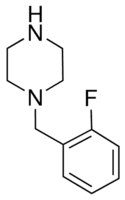
1-(2-Fluorobenzyl)piperazine
C11H15FN2
Chemical Synthesis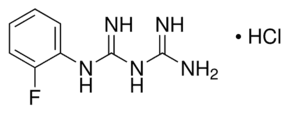
1-(2-Fluorophenyl)biguanide hydrochloride
Chemical Synthesis
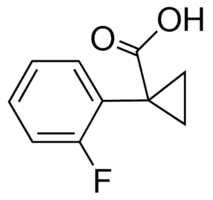
1-(2-Fluorophenyl)cyclopropanecarboxylic acid
C10H9FO2
Chemical Synthesis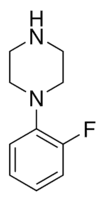
1-(2-Fluorophenyl)piperazine
C10H13FN2
Chemical Synthesis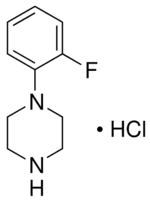
1-(2-Fluorophenyl)piperazine monohydrochloride
C10H13FN2 · HCl
Chemical Synthesis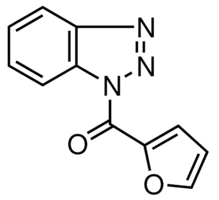
1-(2-Furoyl)-1H-benzotriazole
C11H7N3O2
Chemical Synthesis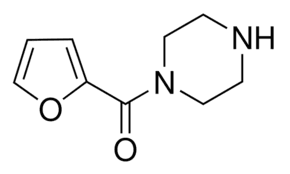
1-(2-Furoyl)piperazine
C9H12N2O2
Chemical Synthesis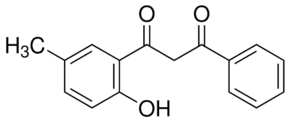
1-(2-Hydroxy-5-methylphenyl)-3-phenyl-1,3-propanedione
Chemical Synthesis