
Acenocoumarol
Acenocoumarol (CAS: 152-72-7), with the molecular formula C19H15NO6 and a molecular weight of 353.33 g/mol, is a white to tan powder. This compound is recognised for its anticoagulant properties. It is primarily utilised in scientific research to investigate the transport mechanisms of vitamin K and serves as a valuable LC/MS standard in analytical chemistry.
- IUPAC
- (±)-Acenocoumarin,3-(α-Acetonyl-p-nitrobenzyl)-4-hydroxy-coumarin
- Synonyms
- (±)-Acenocoumarin3-(α-Acetonyl-p-nitrobenzyl)-4-hydroxy-coumarin

Anticoagulant Research
Acenocoumarol is employed in laboratory settings to study the pharmacological effects and mechanisms of anticoagulation. Its role in inhibiting vitamin K-dependent clotting factors makes it a pertinent compound for such investigations.
LC/MS Standard
This chemical serves as a reliable analytical standard for liquid chromatography-mass spectrometry (LC/MS) applications. It aids in the identification and quantification of related compounds or metabolites in complex matrices.
P-glycoprotein Transport Studies
Acenocoumarol has been used to investigate the function of P-glycoprotein in the cellular uptake and transport of oral vitamin K. This research contributes to understanding drug absorption and disposition.
| Molecular weight | 353.33 |
|---|---|
| Empirical formula | C19H15NO6 |
| Assay | ≥98% (HPLC) |
| Form | powder |
| Colour | white to tan |
| Solubility | DMSO, heptane and xylene: ≥17 mg/mL |
| Storage temperature | −20°C |
| Application | Acenocoumarol was used to study the role of P-glycoprotein in transport of oral vitamin K in Caco-2 cells and as an LC/MS standard.1 |

Hazard statements
- H302Harmful if swallowed
- H315Causes skin irritation
- H319Causes serious eye irritation
- H335May cause respiratory irritation
Precautionary statements
- P261Avoid breathing dust, fume, gas or vapours
- P305IF IN EYES
| Water hazard class (WGK, DE) | 3 |
|---|---|
| Hazard codes (EU) | Xn |
| Risk statements (R) | 63-22-36/37/38 |
| Safety statements (S) | 26-36/37 |
Hazard information is provided for guidance. Always consult the product Safety Data Sheet (SDS), available on request, before handling.
Documentation
Every batch ships with a Certificate of Analysis covering assay, identity and purity; the grade is confirmed against your enquiry. Safety Data Sheets and technical data sheets are available on request.
Supply & logistics
Samples for technical evaluation; bulk MOQ by grade and packaging. In-stock material ships in 7–10 working days, worldwide, with full export documentation.
What is Acenocoumarol used for?
+
Acenocoumarol is used in scientific research to study the role of P-glycoprotein in the transport of oral vitamin K and as an LC/MS standard.
What are the CAS number and molecular formula for Acenocoumarol?
+
The CAS number for Acenocoumarol is 152-72-7, and its molecular formula is C19H15NO6.
What grade and purity does Tech Serve Solutions supply?
+
Tech Serve Solutions supplies Acenocoumarol with an assay of ≥98% (HPLC). We do not represent this product as USP, BP, EP, or other pharmacopoeia grades unless explicitly stated.
How should Acenocoumarol be handled safely?
+
Acenocoumarol is harmful if swallowed and causes skin and eye irritation, and may cause respiratory irritation. Handle with appropriate personal protective equipment in a well-ventilated area. Refer to the Safety Data Sheet for comprehensive handling instructions.
How is Acenocoumarol typically shipped and exported?
+
Acenocoumarol is typically stored at -20°C. As a global supplier, Tech Serve Solutions exports chemicals worldwide, adhering to all relevant shipping and regulatory requirements.
How can I request a quote or sample of Acenocoumarol?
+
To request a quote or a sample of Acenocoumarol, please contact our sales department through the enquiry form on our website or by calling us directly.
▶ Related products
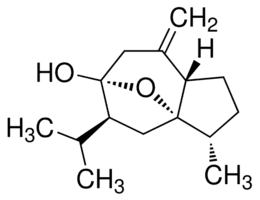
(−)-Curcumol
C15H24O2
Cell Biology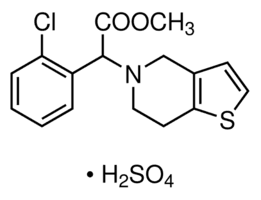
(±) Clopidogrel hydrogensulfate
Cell Biology
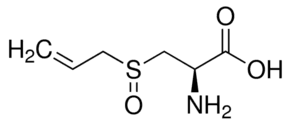
(±)-L-Alliin
C6H11NO3S
Cell Biology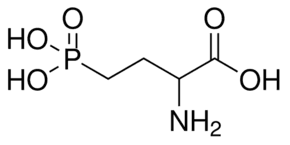
(±)-2-Amino-4-phosphonobutyric acid
C4H10NO5P
Cell Biology
(±)-2-Methylarachidonoyl-2′-fluoroethylamide
C23H38NOF
Cell Biology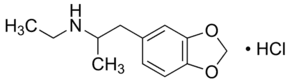
(±)-3,4-Methylenedioxy-N-ethylamphetamine hydrochloride
Cell Biology
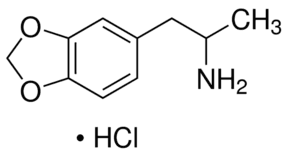
(±)-3,4-Methylenedioxyamphetamine hydrochloride
Cell Biology
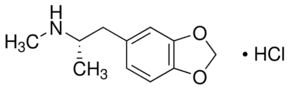
(±)-3,4-Methylenedioxymethamphetamine hydrochloride
Cell Biology
▶ Explore more

Bis(cyclopentadienyl)cobalt(III) hexafluorophosphate
C10H10CoF6P
Catalysis & Inorganic
1-(4-Chlorophenyl)biguanide hydrochloride
ClC6H4NHC(NH)NHC(NH)NH2 · HCl
Chemical Synthesis
Bis(cyclopentadienyl)dimethylzirconium(IV)
Catalysis & Inorganic

1-(4-Chlorophenyl)ethanol
ClC6H4CH(CH3)OH
Chemical Synthesis