
Aceclofenac
Aceclofenac (CAS: 89796-99-6) is a non-steroidal anti-inflammatory drug (NSAID) with analgesic and anti-inflammatory properties. Its empirical formula is C16H13Cl2NO4 and it has a molecular weight of 354.18 g/mol. Aceclofenac is primarily utilised in pharmaceutical research and development, serving as a key intermediate in the synthesis of various therapeutic agents and in studies investigating inflammatory pathways.
- IUPAC
- 2-[(2,6-Dichlorophenyl)amino]benzeneacetic acid carboxymethyl ester;
- Synonyms
- 2-[(2,6-Dichlorophenyl)amino]benzeneacetic acid carboxymethyl ester
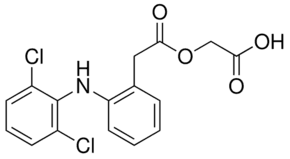
Pharmaceutical Intermediate
Aceclofenac serves as a crucial building block in the synthesis of active pharmaceutical ingredients (APIs). Its chemical structure facilitates its use in the development of novel drug candidates targeting inflammatory conditions.
Research and Development
This compound is employed in research laboratories for exploring new therapeutic applications and understanding mechanisms of action related to inflammation and pain. It is valuable for in vitro and in vivo studies.
Chemical Synthesis
As a complex organic molecule, Aceclofenac is used in advanced organic synthesis pathways, allowing chemists to construct more intricate molecular architectures for various scientific investigations.
| Molecular weight | 354.18 |
|---|---|
| Empirical formula | C16H13Cl2NO4 |
| Assay | ≥98% (HPLC) |
| Solubility | DMSO: ≥20 mg/mL |
| Storage temperature | room temp |


Hazard statements
- H301Toxic if swallowed
- H319Causes serious eye irritation
- H410Very toxic to aquatic life with long-lasting effects
Precautionary statements
- P273Avoid release to the environment
- P301IF SWALLOWED
- P305IF IN EYES
- P501Dispose of contents and container per local regulations
| Transport (UN / ADR) | UN 2811 6.1 / PGIII |
|---|---|
| Water hazard class (WGK, DE) | 3 |
| Hazard codes (EU) | T,N |
| Risk statements (R) | 25-36-50/53 |
| Safety statements (S) | 26-45-60-61 |
Hazard information is provided for guidance. Always consult the product Safety Data Sheet (SDS), available on request, before handling.
Documentation
Every batch ships with a Certificate of Analysis covering assay, identity and purity; the grade is confirmed against your enquiry. Safety Data Sheets and technical data sheets are available on request.
Supply & logistics
Samples for technical evaluation; bulk MOQ by grade and packaging. In-stock material ships in 7–10 working days, worldwide, with full export documentation.
What is Aceclofenac used for?
+
Aceclofenac is primarily used as a pharmaceutical intermediate and in research and development for investigating inflammatory pathways and synthesising therapeutic agents.
What is the CAS number and formula for Aceclofenac?
+
The CAS number for Aceclofenac is 89796-99-6, and its empirical formula is C16H13Cl2NO4.
What grade and purity does Tech Serve Solutions supply?
+
Tech Serve Solutions supplies Aceclofenac with a purity of ≥98% (HPLC). We do not represent this product as USP, BP, or EP grade.
How should Aceclofenac be handled safely?
+
Aceclofenac is classified as Danger (GHS06, GHS09) and is harmful if swallowed (H301), causes serious eye irritation (H319), and is very toxic to aquatic life with long lasting effects (H410). Handle with appropriate personal protective equipment in a well-ventilated area, avoiding release to the environment. Refer to the Safety Data Sheet for full details.
How is Aceclofenac packed and shipped?
+
Aceclofenac is shipped under UN 2811, Hazard Class 6.1, Packing Group III. Shipments are handled by trained personnel according to strict international regulations for hazardous materials. Contact TSS for export details.
How can I request a sample or quote for Aceclofenac?
+
To request a sample or a quote for Aceclofenac, please contact our sales department through the website or via email, providing your specific requirements and delivery details.
▶ Related products
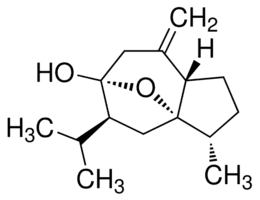
(−)-Curcumol
C15H24O2
Cell Biology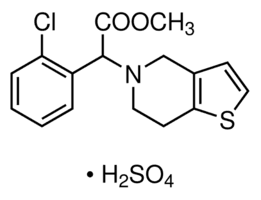
(±) Clopidogrel hydrogensulfate
Cell Biology
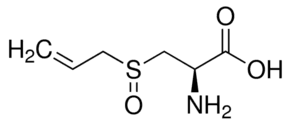
(±)-L-Alliin
C6H11NO3S
Cell Biology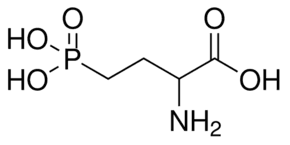
(±)-2-Amino-4-phosphonobutyric acid
C4H10NO5P
Cell Biology
(±)-2-Methylarachidonoyl-2′-fluoroethylamide
C23H38NOF
Cell Biology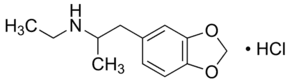
(±)-3,4-Methylenedioxy-N-ethylamphetamine hydrochloride
Cell Biology
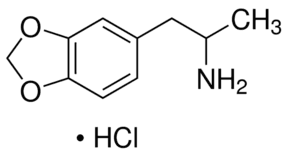
(±)-3,4-Methylenedioxyamphetamine hydrochloride
Cell Biology
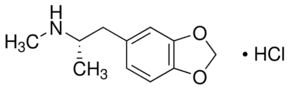
(±)-3,4-Methylenedioxymethamphetamine hydrochloride
Cell Biology
▶ Explore more

Bis(cyclopentadienyl)cobalt(III) hexafluorophosphate
C10H10CoF6P
Catalysis & Inorganic
1-(4-Chlorophenyl)biguanide hydrochloride
ClC6H4NHC(NH)NHC(NH)NH2 · HCl
Chemical Synthesis
Bis(cyclopentadienyl)dimethylzirconium(IV)
Catalysis & Inorganic

1-(4-Chlorophenyl)ethanol
ClC6H4CH(CH3)OH
Chemical Synthesis