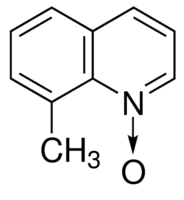
8-Methylquinoline N-oxide
8-Methylquinoline N-oxide (CAS: 4053-38-7), with the molecular formula C10H9NO and a molecular weight of 159.18 g/mol, is a heterocyclic organic compound. It serves as a valuable intermediate and building block in various chemical synthesis applications, particularly within the realm of quinoline derivatives. Its characteristic N-oxide structure offers unique reactivity for further functionalization in complex molecule construction. TSS provides this compound for research and development purposes.
Chemical Synthesis Intermediate
8-Methylquinoline N-oxide acts as a key intermediate in the synthesis of more complex organic molecules. Its structure allows for diverse chemical transformations, making it useful in the development of novel compounds.
Heterocyclic Compound Building Block
As a substituted quinoline derivative, this compound is employed as a fundamental building block in the construction of various heterocyclic systems. These are often explored for their potential biological activities or material properties.
Research and Development
This chemical is utilised in academic and industrial research laboratories for exploring new synthetic routes and discovering compounds with unique properties. Its availability supports advancements in organic chemistry and related fields.
| Molecular weight | 159.18 |
|---|---|
| Empirical formula | C10H9NO |
| Storage temperature | 2-8°C |
| Melting point | 240-260 °C |
Documentation
Every batch ships with a Certificate of Analysis covering assay, identity and purity; the grade is confirmed against your enquiry. Safety Data Sheets and technical data sheets are available on request.
Supply & logistics
Samples for technical evaluation; bulk MOQ by grade and packaging. In-stock material ships in 7–10 working days, worldwide, with full export documentation.
What is 8-Methylquinoline N-oxide used for?
+
8-Methylquinoline N-oxide is used as a chemical synthesis intermediate and a building block for heterocyclic compounds, primarily in research and development settings.
What are the CAS and formula for 8-Methylquinoline N-oxide?
+
The CAS number for 8-Methylquinoline N-oxide is 4053-38-7, and its molecular formula is C10H9NO.
What grade and purity does Tech Serve Solutions supply?
+
Tech Serve Solutions supplies 8-Methylquinoline N-oxide for research and development. The specific grade and purity are not detailed in the provided data, and as such, TSS does not represent it as USP, BP, or EP grade.
How should 8-Methylquinoline N-oxide be handled?
+
According to the supplied data, 8-Methylquinoline N-oxide has a WGK Germany rating of 3, indicating it is hazardous to water. It is also a solid with a high melting point (240-260 °C). Handle with appropriate personal protective equipment in a well-ventilated area, and avoid release into the environment. Store at 2-8°C.
Is 8-Methylquinoline N-oxide a controlled substance?
+
There is no information in the provided data to suggest that 8-Methylquinoline N-oxide is a controlled substance.
How is 8-Methylquinoline N-oxide shipped and exported?
+
Tech Serve Solutions is a specialist global supplier and exporter of fine chemicals. Specific shipping and export details for 8-Methylquinoline N-oxide are available upon request.
How can I request a quote or sample?
+
To request a quote or sample of 8-Methylquinoline N-oxide, please contact the Tech Serve Solutions sales team directly through the website or provided contact information.
How is 8-Methylquinoline N-oxide synthesized?
+
Published preparations of 8-Methylquinoline N-oxide are documented in the chemical literature and patent records — see the synthesis and sourcing section on this page for reference links. Tech Serve Solutions supplies 8-Methylquinoline N-oxide ready to use; request a quote for current grades and pack sizes.
How 8-Methylquinoline N-oxide (4053-38-7) is synthesized — and where to buy it
8-Methylquinoline N-oxide is a quinoline N-oxide substrate widely used in C–H functionalisation methodology, where the N-oxide serves as directing group and internal oxidant.
Published synthesis & references
Why make it?
Preparing and purifying N-oxides adds oxidation and workup steps before your actual chemistry starts. We supply the substrate ready to use, assayed with a Certificate of Analysis.
▶ Related products
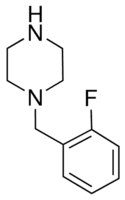
1-(2-Fluorobenzyl)piperazine
C11H15FN2
Chemical Synthesis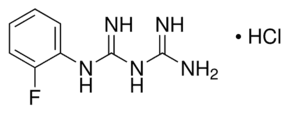
1-(2-Fluorophenyl)biguanide hydrochloride
Chemical Synthesis
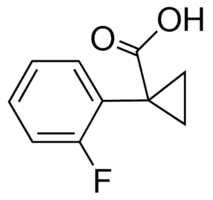
1-(2-Fluorophenyl)cyclopropanecarboxylic acid
C10H9FO2
Chemical Synthesis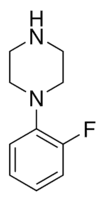
1-(2-Fluorophenyl)piperazine
C10H13FN2
Chemical Synthesis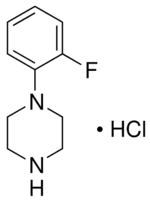
1-(2-Fluorophenyl)piperazine monohydrochloride
C10H13FN2 · HCl
Chemical Synthesis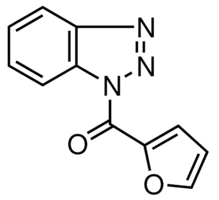
1-(2-Furoyl)-1H-benzotriazole
C11H7N3O2
Chemical Synthesis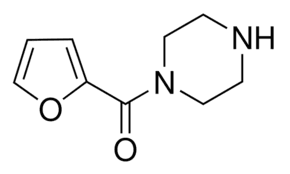
1-(2-Furoyl)piperazine
C9H12N2O2
Chemical Synthesis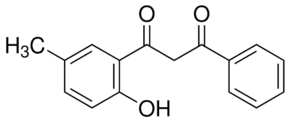
1-(2-Hydroxy-5-methylphenyl)-3-phenyl-1,3-propanedione
Chemical Synthesis