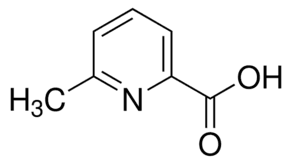
6-Methylpyridine-2-carboxylic acid
6-Methylpyridine-2-carboxylic acid (CAS 934-60-1, C7H7NO2) is a heterocyclic organic compound with a molecular weight of 137.14 g/mol. This pyridine derivative is recognised for its utility as a building block in chemical synthesis, particularly in the development of pharmaceuticals and novel catalytic agents. Its applications span investigations into pharmacological activity, including studies on antidiabetic metal complexes and metalloenzyme inhibitors, and its role as a reactant in synthesising specific enzyme inhibitors and Lewis base organocatalysts.
- IUPAC
- 2-Carboxy-6-methylpyridine,6-Methylpicolinic acid,NSC 109143,NSC 26023
- Synonyms
- 2-Carboxy-6-methylpyridine6-Methylpicolinic acidNSC 109143NSC 26023
Pharmacological Research
Studied for its role in the interactions of carrier ligands with human serum albumin and its ability to chelate metalloenzyme inhibitors. Also investigated for its involvement in insulin-mimetic zinc(II) complexes and biological studies of insulin-enhancing complexes.
Chemical Synthesis
Serves as a key reactant in the synthesis of inhibitors for human 11β-hydroxysteroid dehydrogenase type 1. It is also employed in the development of Lewis base organocatalysts for stereoselective hydrosilylation reactions.
Heterocyclic Building Block
A versatile pyridine derivative utilised as a fundamental building block in the synthesis of more complex heterocyclic structures for various chemical applications.
| Molecular weight | 137.14 |
|---|---|
| Empirical formula | C7H7NO2 |
| Boiling point | 100 °C/4.5 mmHg(lit.) |
| Application | Pharmacological activity studied in regard to: • Interactions of carrier ligands of antidiabetic metal complexes with human serum albumin1• Ability to chelate metalloenzyme inhibitors2• Interactions of insulin-mimetic zinc(II) complexes with cell constituents3Reactant for: • Synthesis of inhibitors of human 11β -hydroxysteroid dehydrogenase type 14• Lewis base organocatalysts for stereoselective hydrosilylation reactions5Biological studies of insulin-enhancing complexes6 |
| Melting point | 120-127 °C(lit.) |

Hazard statements
- H315Causes skin irritation
- H319Causes serious eye irritation
- H335May cause respiratory irritation
Precautionary statements
- P261Avoid breathing dust, fume, gas or vapours
- P305IF IN EYES
| Protective equipment | dust mask type N95 (US), Eyeshields, Gloves |
|---|---|
| Water hazard class (WGK, DE) | 3 |
| Hazard codes (EU) | Xi |
| Risk statements (R) | 36/37/38 |
| Safety statements (S) | 26-36 |
Hazard information is provided for guidance. Always consult the product Safety Data Sheet (SDS), available on request, before handling.
Documentation
Every batch ships with a Certificate of Analysis covering assay, identity and purity; the grade is confirmed against your enquiry. Safety Data Sheets and technical data sheets are available on request.
Supply & logistics
Samples for technical evaluation; bulk MOQ by grade and packaging. In-stock material ships in 7–10 working days, worldwide, with full export documentation.
What is 6-Methylpyridine-2-carboxylic acid used for?
+
6-Methylpyridine-2-carboxylic acid is used in pharmacological research, chemical synthesis, and as a heterocyclic building block. It is a reactant in synthesising enzyme inhibitors and organocatalysts, and its interactions with biological systems, such as protein binding and chelation, are studied.
What are the CAS number and formula for 6-Methylpyridine-2-carboxylic acid?
+
The CAS number for 6-Methylpyridine-2-carboxylic acid is 934-60-1, and its empirical formula is C7H7NO2.
What grade and purity does Tech Serve Solutions supply?
+
Tech Serve Solutions supplies this chemical for research and laboratory use. The specific grade and purity are available upon request; please contact us for detailed specifications. We do not represent this product as USP, BP, or EP grade.
How should 6-Methylpyridine-2-carboxylic acid be handled safely?
+
This compound is classified as a Warning with hazards H315 (causes skin irritation), H319 (causes serious eye irritation), and H335 (may cause respiratory irritation). Handle with appropriate personal protective equipment, including a dust mask (type N95), eyeshields, and gloves, in a well-ventilated area.
Is 6-Methylpyridine-2-carboxylic acid a controlled substance?
+
The provided data does not indicate that 6-Methylpyridine-2-carboxylic acid is a controlled substance.
How is 6-Methylpyridine-2-carboxylic acid packed, shipped, and exported?
+
Tech Serve Solutions securely packs and prepares chemicals for domestic and international shipment in compliance with all relevant regulations. We are experienced global exporters.
How can I request a sample or quote for 6-Methylpyridine-2-carboxylic acid?
+
To request a sample or a quotation, please use the contact form on our website or contact our sales department directly with your requirements.
▶ Related products
1-(2-Fluorobenzyl)piperazine
C11H15FN2
Chemical Synthesis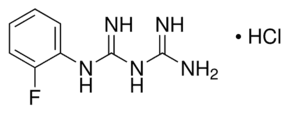
1-(2-Fluorophenyl)biguanide hydrochloride
Chemical Synthesis
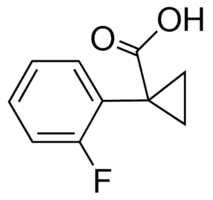
1-(2-Fluorophenyl)cyclopropanecarboxylic acid
C10H9FO2
Chemical Synthesis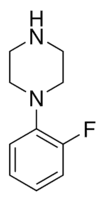
1-(2-Fluorophenyl)piperazine
C10H13FN2
Chemical Synthesis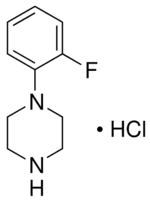
1-(2-Fluorophenyl)piperazine monohydrochloride
C10H13FN2 · HCl
Chemical Synthesis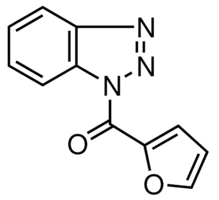
1-(2-Furoyl)-1H-benzotriazole
C11H7N3O2
Chemical Synthesis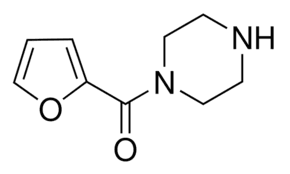
1-(2-Furoyl)piperazine
C9H12N2O2
Chemical Synthesis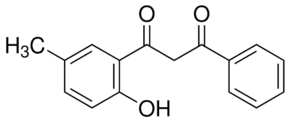
1-(2-Hydroxy-5-methylphenyl)-3-phenyl-1,3-propanedione
Chemical Synthesis