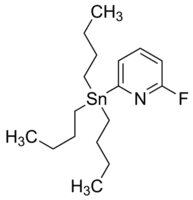
6-Fluoro-2-(tributylstannyl)pyridine
6-Fluoro-2-(tributylstannyl)pyridine (CAS: 1025744-38-0) is an organotin compound featuring a fluorinated pyridine ring. With a molecular weight of 386.14 g/mol, this versatile building block is instrumental in organic synthesis, particularly for introducing fluoropyridyl moieties into complex molecules. Its utility spans across pharmaceutical research and material science, facilitating the development of novel compounds through cross-coupling reactions. TSS provides this chemical for research and development purposes.
Organic Synthesis
Utilised as a key building block in cross-coupling reactions, such as Stille couplings, to introduce fluoropyridyl groups into target molecules. This facilitates the synthesis of complex organic compounds.
Pharmaceutical Research
A valuable intermediate for the synthesis of potential drug candidates and biologically active compounds. The incorporation of fluorinated heterocycles can enhance pharmacological properties.
Material Science
Employed in the development of advanced materials where the unique electronic and physical properties of fluorinated pyridine structures are advantageous.
| Molecular weight | 386.14 |
|---|---|
| Empirical formula | C17H30FNSn |
Documentation
Every batch ships with a Certificate of Analysis covering assay, identity and purity; the grade is confirmed against your enquiry. Safety Data Sheets and technical data sheets are available on request.
Supply & logistics
Samples for technical evaluation; bulk MOQ by grade and packaging. In-stock material ships in 7–10 working days, worldwide, with full export documentation.
What is 6-Fluoro-2-(tributylstannyl)pyridine used for?
+
6-Fluoro-2-(tributylstannyl)pyridine is primarily used as a building block in organic synthesis, particularly for introducing fluoropyridyl moieties into complex molecules through reactions like Stille coupling. It finds applications in pharmaceutical research and material science.
What is the CAS number and molecular formula for this compound?
+
The CAS number is 1025744-38-0, and the empirical formula is C17H30FNSn.
What grade and purity does Tech Serve Solutions supply?
+
Tech Serve Solutions supplies 6-Fluoro-2-(tributylstannyl)pyridine for research and development purposes. The specific grade and purity are available upon request and are not represented as USP, BP, or EP grade.
What are the safety and handling considerations for 6-Fluoro-2-(tributylstannyl)pyridine?
+
Information regarding the specific hazards, handling, and storage of 6-Fluoro-2-(tributylstannyl)pyridine should be thoroughly reviewed from the Safety Data Sheet (SDS) before use. It is essential to wear appropriate personal protective equipment.
How is 6-Fluoro-2-(tributylstannyl)pyridine packed, shipped, and exported?
+
Tech Serve Solutions carefully packages and handles 6-Fluoro-2-(tributylstannyl)pyridine in compliance with all relevant shipping regulations for domestic and international export. Specific packaging details are confirmed upon order.
How can I request a sample or quote for 6-Fluoro-2-(tributylstannyl)pyridine?
+
To request a sample or quote for 6-Fluoro-2-(tributylstannyl)pyridine, please contact our sales team via the website or direct email, providing your specific requirements.
▶ Related products
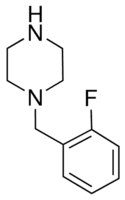
1-(2-Fluorobenzyl)piperazine
C11H15FN2
Chemical Synthesis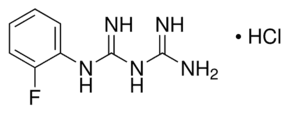
1-(2-Fluorophenyl)biguanide hydrochloride
Chemical Synthesis
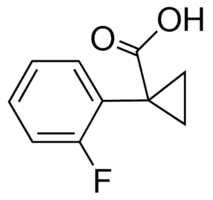
1-(2-Fluorophenyl)cyclopropanecarboxylic acid
C10H9FO2
Chemical Synthesis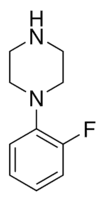
1-(2-Fluorophenyl)piperazine
C10H13FN2
Chemical Synthesis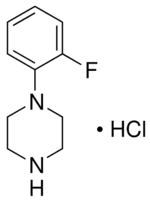
1-(2-Fluorophenyl)piperazine monohydrochloride
C10H13FN2 · HCl
Chemical Synthesis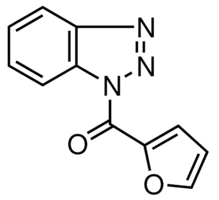
1-(2-Furoyl)-1H-benzotriazole
C11H7N3O2
Chemical Synthesis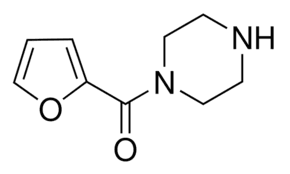
1-(2-Furoyl)piperazine
C9H12N2O2
Chemical Synthesis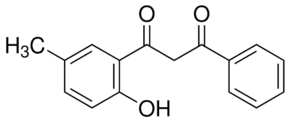
1-(2-Hydroxy-5-methylphenyl)-3-phenyl-1,3-propanedione
Chemical Synthesis