
5-Methoxy-3-(2-nitrovinyl)indole
5-Methoxy-3-(2-nitrovinyl)indole (CAS 61675-19-2) is a chemical compound with the molecular formula C11H10N2O3 and a molecular weight of 218.21 g/mol. As a valuable indole derivative, it serves as a key reactant in organic synthesis. Its primary applications include the preparation of inhibitors for mitogen-activated protein kinase-activated protein kinase 2 (MK-2), indole lipoic acid derivatives with antioxidant properties, and indole ethylamine derivatives acting as melatonin analogs.
- IUPAC
- 5-Methoxy-3-(2′-nitroethenyl)indole,NSC 88875

Preparation of MK-2 Inhibitors
Utilised as a reactant in the synthesis of inhibitors targeting mitogen-activated protein kinase-activated protein kinase 2 (MK-2).
Synthesis of Antioxidant Indole Derivatives
Serves as a building block for preparing indole lipoic acid derivatives that demonstrate efficacy against lipid peroxidation.
Development of Melatonin Analogs
Employed in the synthetic routes for indole ethylamine derivatives that function as analogs of melatonin.
| Molecular weight | 218.21 |
|---|---|
| Empirical formula | C11H10N2O3 |
| Application | Reactant for preparation of:• Inhibitors of mitogen activated protein kinase-activated protein kinase 2 (MK-2)1• Indole lipoic acid derivatives as antioxidants effective against lipid peroxidation2• Indole ethylamine derivatives as melatonin analogs3 |
Documentation
Every batch ships with a Certificate of Analysis covering assay, identity and purity; the grade is confirmed against your enquiry. Safety Data Sheets and technical data sheets are available on request.
Supply & logistics
Samples for technical evaluation; bulk MOQ by grade and packaging. In-stock material ships in 7–10 working days, worldwide, with full export documentation.
What is 5-Methoxy-3-(2-nitrovinyl)indole used for?
+
5-Methoxy-3-(2-nitrovinyl)indole is used as a reactant in organic synthesis, notably for preparing inhibitors of MK-2, indole lipoic acid derivatives as antioxidants, and indole ethylamine derivatives as melatonin analogs.
What is the CAS number and molecular formula for 5-Methoxy-3-(2-nitrovinyl)indole?
+
The CAS number is 61675-19-2, and the molecular formula is C11H10N2O3.
What grade and purity does Tech Serve Solutions supply?
+
Tech Serve Solutions supplies this compound for research and chemical synthesis purposes. Purity information is available on the Certificate of Analysis. We do not represent this product as USP, BP, EP, or any other pharmacopoeia grade.
What are the safety and handling considerations for 5-Methoxy-3-(2-nitrovinyl)indole?
+
This compound is classified under WGK Germany 3, indicating a high hazard to water. Handle with appropriate personal protective equipment in a well-ventilated area, avoiding contact with skin and eyes, and preventing release into the environment.
Does Tech Serve Solutions export 5-Methoxy-3-(2-nitrovinyl)indole?
+
Yes, Tech Serve Solutions is a specialist global supplier and exporter of fine chemicals, including 5-Methoxy-3-(2-nitrovinyl)indole.
How can I request a sample or quote for 5-Methoxy-3-(2-nitrovinyl)indole?
+
To request a sample or a quote, please contact our sales department through the website or by phone, providing your details and the product CAS number 61675-19-2.
▶ Related products
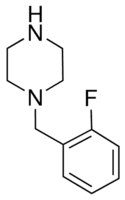
1-(2-Fluorobenzyl)piperazine
C11H15FN2
Chemical Synthesis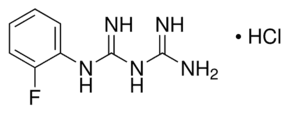
1-(2-Fluorophenyl)biguanide hydrochloride
Chemical Synthesis
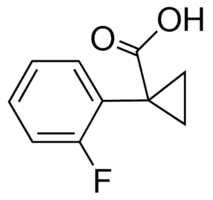
1-(2-Fluorophenyl)cyclopropanecarboxylic acid
C10H9FO2
Chemical Synthesis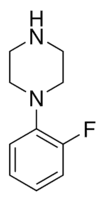
1-(2-Fluorophenyl)piperazine
C10H13FN2
Chemical Synthesis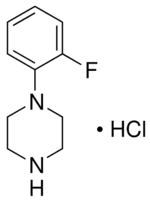
1-(2-Fluorophenyl)piperazine monohydrochloride
C10H13FN2 · HCl
Chemical Synthesis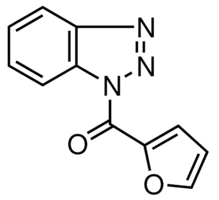
1-(2-Furoyl)-1H-benzotriazole
C11H7N3O2
Chemical Synthesis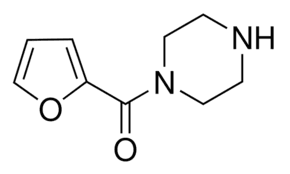
1-(2-Furoyl)piperazine
C9H12N2O2
Chemical Synthesis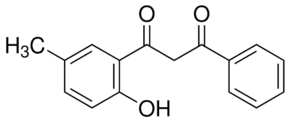
1-(2-Hydroxy-5-methylphenyl)-3-phenyl-1,3-propanedione
Chemical Synthesis
▶ Explore more

Bis(cyclopentadienyl)cobalt(III) hexafluorophosphate
C10H10CoF6P
Catalysis & Inorganic
1-(4-Chlorophenyl)biguanide hydrochloride
ClC6H4NHC(NH)NHC(NH)NH2 · HCl
Chemical Synthesis
Bis(cyclopentadienyl)dimethylzirconium(IV)
Catalysis & Inorganic

1-(4-Chlorophenyl)ethanol
ClC6H4CH(CH3)OH
Chemical Synthesis