
4-Fluorophenylboronic acid
4-Fluorophenylboronic acid (CAS 1765-93-1, FC6H4B(OH)2) is a valuable organoboron compound with a molecular weight of 139.92. It is widely utilised as a reagent in various organic synthesis reactions, notably in palladium-catalyzed cross-coupling methodologies. Its applications span the creation of complex organic molecules, making it an essential component in research and development across the chemical and pharmaceutical industries.
- IUPAC
- (4-Fluorophenyl)boric acid,(4-Fluorophenyl)dihydroxyborane,(4-Fluorophenyl)dihydroxyboron,(p-Fluorophenyl)boric acid,4-Fluorobenzeneboronic acid,p-Fluorobenzylboronic acid,p-Fluorophenylboronic acid,NSC 142683
- Synonyms
- (4-Fluorophenyl)boric acid(4-Fluorophenyl)dihydroxyborane(4-Fluorophenyl)dihydroxyboron(p-Fluorophenyl)boric acid4-Fluorobenzeneboronic acidp-Fluorobenzylboronic acidp-Fluorophenylboronic acidNSC 142683

Suzuki-Miyaura Coupling Reactions
4-Fluorophenylboronic acid is a key reactant in Suzuki-Miyaura cross-coupling reactions, enabling the formation of carbon-carbon bonds. These reactions are crucial for synthesising biaryl compounds and other complex organic structures with applications in medicinal chemistry and materials science.
Palladium-Catalyzed Arylations
This compound serves as a versatile coupling partner in various palladium-catalyzed direct arylation reactions, including those involving heterocycles like pyrazoles and tandem oxidative Heck reactions. These methods offer efficient pathways to functionalised aromatic systems.
Copper-Catalyzed Transformations
It participates in copper-catalyzed reactions such as the Petasis reaction and coupling reactions with nitroarenes. These transformations expand the synthetic utility of 4-Fluorophenylboronic acid in constructing diverse molecular architectures.
Ruthenium and Rhodium Catalysis
The boronic acid is employed in ruthenium-catalyzed direct arylation and rhodium-catalyzed asymmetric conjugate additions, showcasing its broad applicability in modern organometallic catalysis for stereoselective synthesis.
| Molecular weight | 139.92 |
|---|---|
| Linear formula | FC6H4B(OH)2 |
| Application | Reagent used for • Suzuki coupling using microwave and triton B catalyst1 • Pd-catalyzed direct arylation of pyrazoles with phenylboronic acids2 • Mizoroki-Heck and Suzuki-Miyaura coupling reactions catalyzed by palladium nanoparticles3 • Cu-catalyzed Petasis reactions4 • Tandem-type Pd(II)-catalyzed oxidative Heck reaction and intramolecular C-H amidation sequence5 • Ruthenium catalyzed direct arylation6 • Rh-catalyzed asymmetric conjugate additions7 • Ligand-free copper-catalyzed coupling of nitro arenes with arylboronic acids8 • Regioselective arylation and alkynylation by Suzuki-Miyaura and Sonogashira cross-coupling reactions9 |
| Melting point | 262-265 °C(lit.) |

Hazard statements
- H302Harmful if swallowed
- H315Causes skin irritation
- H319Causes serious eye irritation
- H335May cause respiratory irritation
Precautionary statements
- P261Avoid breathing dust, fume, gas or vapours
- P305IF IN EYES
| Protective equipment | dust mask type N95 (US), Eyeshields, Gloves |
|---|---|
| Water hazard class (WGK, DE) | 3 |
| Hazard codes (EU) | Xn |
| Risk statements (R) | 22-36/37/38 |
| Safety statements (S) | 26-36 |
Hazard information is provided for guidance. Always consult the product Safety Data Sheet (SDS), available on request, before handling.
Documentation
Every batch ships with a Certificate of Analysis covering assay, identity and purity; the grade is confirmed against your enquiry. Safety Data Sheets and technical data sheets are available on request.
Supply & logistics
Samples for technical evaluation; bulk MOQ by grade and packaging. In-stock material ships in 7–10 working days, worldwide, with full export documentation.
What is 4-Fluorophenylboronic acid used for?
+
4-Fluorophenylboronic acid is primarily used as a reagent in various organic synthesis reactions, particularly in palladium-catalyzed cross-coupling reactions like Suzuki-Miyaura coupling, as well as copper, ruthenium, and rhodium-catalyzed transformations.
What is the CAS number and chemical formula for 4-Fluorophenylboronic acid?
+
The CAS number is 1765-93-1 and the linear chemical formula is FC6H4B(OH)2.
What grade and purity does Tech Serve Solutions supply for 4-Fluorophenylboronic acid?
+
Tech Serve Solutions supplies 4-Fluorophenylboronic acid with a minimum purity of 98%. This product is intended for research and laboratory use and is not supplied as USP, BP, EP, or pharmacopoeia grade.
How should 4-Fluorophenylboronic acid be handled safely?
+
Handle 4-Fluorophenylboronic acid with appropriate personal protective equipment, including a dust mask (type N95 US recommended), eyeshields, and gloves. Avoid breathing dust and ensure adequate ventilation. It is classified with warning signal word and hazards H302 (Harmful if swallowed), H315 (Causes skin irritation), H319 (Causes serious eye irritation), and H335 (May cause respiratory irritation).
How is 4-Fluorophenylboronic acid packaged and exported?
+
4-Fluorophenylboronic acid is carefully packaged to maintain its integrity during transit. Tech Serve Solutions is an experienced global supplier and exporter, adhering to all necessary regulations for international shipments.
How can I request a quote or sample of 4-Fluorophenylboronic acid?
+
To request a quote or a sample of 4-Fluorophenylboronic acid, please use the enquiry form on our website or contact our sales team directly. Please specify the required quantity and your shipping details.
▶ Related products
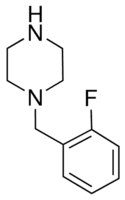
1-(2-Fluorobenzyl)piperazine
C11H15FN2
Chemical Synthesis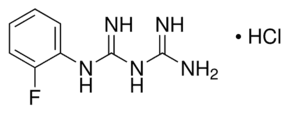
1-(2-Fluorophenyl)biguanide hydrochloride
Chemical Synthesis
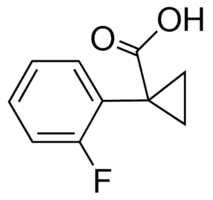
1-(2-Fluorophenyl)cyclopropanecarboxylic acid
C10H9FO2
Chemical Synthesis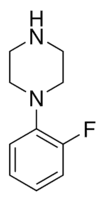
1-(2-Fluorophenyl)piperazine
C10H13FN2
Chemical Synthesis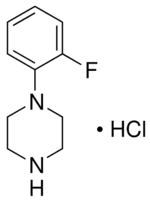
1-(2-Fluorophenyl)piperazine monohydrochloride
C10H13FN2 · HCl
Chemical Synthesis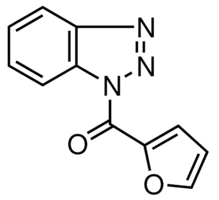
1-(2-Furoyl)-1H-benzotriazole
C11H7N3O2
Chemical Synthesis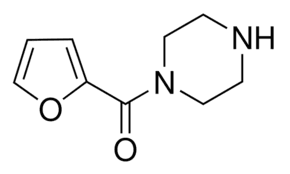
1-(2-Furoyl)piperazine
C9H12N2O2
Chemical Synthesis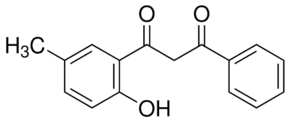
1-(2-Hydroxy-5-methylphenyl)-3-phenyl-1,3-propanedione
Chemical Synthesis
▶ Explore more

Bis(cyclopentadienyl)cobalt(III) hexafluorophosphate
C10H10CoF6P
Catalysis & Inorganic
1-(4-Chlorophenyl)biguanide hydrochloride
ClC6H4NHC(NH)NHC(NH)NH2 · HCl
Chemical Synthesis
Bis(cyclopentadienyl)dimethylzirconium(IV)
Catalysis & Inorganic

1-(4-Chlorophenyl)ethanol
ClC6H4CH(CH3)OH
Chemical Synthesis