4,4′-Oxydianiline
4,4′-Oxydianiline (CAS: 101-80-4), also known as 4,4′-Diaminodiphenyl ether, is an organic compound with the molecular formula O(C₆H₄NH₂)₂ and a molar mass of 200.24 g/mol. This diamine serves as a crucial building block in the synthesis of various high-performance polymers, including polyimides and polyamides, valued for their thermal stability and mechanical strength. It is widely utilised in chemical research and industrial applications requiring advanced material properties.
- IUPAC
- 4,4′-Diaminodiphenyl ether,4-Aminophenyl ether
- Synonyms
- 4,4′-Diaminodiphenyl ether4-Aminophenyl etherO(C6H4NH2)2

Polymer Synthesis
4,4′-Oxydianiline is a key monomer for producing high-performance polymers such as polyimides and polyamides. These polymers exhibit exceptional thermal stability, chemical resistance, and mechanical properties, making them suitable for demanding applications.
Epoxy Resin Curing Agent
It functions as a curing agent for epoxy resins, contributing to the development of robust and heat-resistant thermoset materials. These cured epoxies find use in adhesives, coatings, and composite materials.
Chemical Intermediate
As an organic building block, 4,4′-Oxydianiline is employed in the synthesis of various organic compounds and complex molecules within the chemical industry and research laboratories.
| Molecular weight | 200.24 |
|---|---|
| Linear formula | O(C6H4NH2)2 |
| Assay | 97% |
| Vapour pressure | 10 mmHg (240 °C) |
| Melting point | 188-192 °C(lit.) |


Hazard statements
- H301Toxic if swallowed
- H311Toxic in contact with skin
- H331Toxic if inhaled
- H340May cause genetic defects
- H350May cause cancer
- H361Suspected of damaging fertility or the unborn child
- H411Toxic to aquatic life with long-lasting effects
Precautionary statements
- P201Obtain special instructions before use
- P261Avoid breathing dust, fume, gas or vapours
- P273Avoid release to the environment
- P280Wear protective gloves, clothing and eye/face protection
- P301IF SWALLOWED
- P311Call a POISON CENTER or doctor
| Protective equipment | Eyeshields, Faceshields, full-face particle respirator type N100 (US), Gloves, respirator cartridge type N100 (US), type P1 (EN143) respirator filter, type P3 (EN 143) respirator cartridges |
|---|---|
| Flash point | 219 °C / 426.2 °F |
| Transport (UN / ADR) | UN 3077 9 / PGIII |
| Water hazard class (WGK, DE) | 3 |
| Hazard codes (EU) | T,N |
| Risk statements (R) | 45-46-23/24/25-51/53-62 |
| Safety statements (S) | 53-45-61 |
Hazard information is provided for guidance. Always consult the product Safety Data Sheet (SDS), available on request, before handling.
Documentation
Every batch ships with a Certificate of Analysis covering assay, identity and purity; the grade is confirmed against your enquiry. Safety Data Sheets and technical data sheets are available on request.
Supply & logistics
Samples for technical evaluation; bulk MOQ by grade and packaging. In-stock material ships in 7–10 working days, worldwide, with full export documentation.
What is 4,4′-Oxydianiline used for?
+
4,4′-Oxydianiline is primarily used as a monomer in the synthesis of high-performance polymers like polyimides and polyamides, and as a curing agent for epoxy resins. It also serves as a general chemical intermediate in organic synthesis.
What are the CAS number and formula for 4,4′-Oxydianiline?
+
The CAS number for 4,4′-Oxydianiline is 101-80-4, and its linear formula is O(C₆H₄NH₂)₂.
What grade and purity does Tech Serve Solutions supply?
+
Tech Serve Solutions supplies 4,4′-Oxydianiline with an assay of 97%. We do not represent this product as USP, BP, EP, or other pharmacopoeial grades unless explicitly stated.
How should 4,4′-Oxydianiline be handled safely?
+
4,4′-Oxydianiline is a toxic substance that is harmful if swallowed, in contact with skin, or if inhaled. It is suspected of causing genetic defects, cancer, and may damage fertility or the unborn child. It is also toxic to aquatic life with long lasting effects. Appropriate personal protective equipment, including eyeshields, gloves, and respiratory protection (e.g., N100 respirator), must be used. Handle in a well-ventilated area.
How is 4,4′-Oxydianiline packed, shipped, and exported?
+
4,4′-Oxydianiline is classified as UN 3077, Hazard Class 9, Packing Group III. It is carefully packed according to international regulations for hazardous materials and exported globally by Tech Serve Solutions.
How can I request a sample or quote for 4,4′-Oxydianiline?
+
To request a sample or a quote for 4,4′-Oxydianiline, please contact our sales team through the website or by phone.
▶ Related products
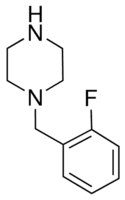
1-(2-Fluorobenzyl)piperazine
C11H15FN2
Chemical Synthesis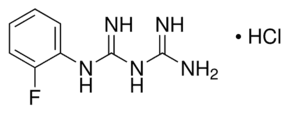
1-(2-Fluorophenyl)biguanide hydrochloride
Chemical Synthesis
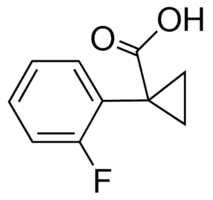
1-(2-Fluorophenyl)cyclopropanecarboxylic acid
C10H9FO2
Chemical Synthesis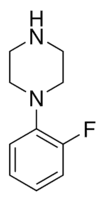
1-(2-Fluorophenyl)piperazine
C10H13FN2
Chemical Synthesis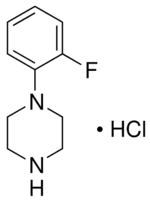
1-(2-Fluorophenyl)piperazine monohydrochloride
C10H13FN2 · HCl
Chemical Synthesis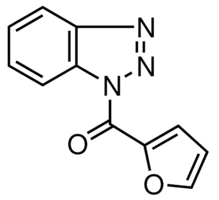
1-(2-Furoyl)-1H-benzotriazole
C11H7N3O2
Chemical Synthesis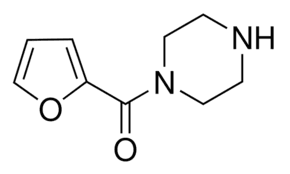
1-(2-Furoyl)piperazine
C9H12N2O2
Chemical Synthesis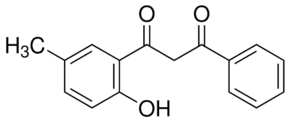
1-(2-Hydroxy-5-methylphenyl)-3-phenyl-1,3-propanedione
Chemical Synthesis