
4,4′-Methylenebis(N,N-dimethylaniline)
4,4′-Methylenebis(N,N-dimethylaniline) (CAS: 101-61-1) is a chemical compound with a molecular weight of 254.37 g/mol. Also known as Michler's base, it functions as a vital intermediate in various chemical syntheses. Its primary applications are found in the fields of cell biology and histology, particularly as a component in stains and dyes for microscopic analysis and research purposes. TSS supplies this compound with a high degree of purity for reliable laboratory results.
- IUPAC
- N,N,N′,N′-Tetramethyl-4,4′-diaminodiphenylmethane,N,N,N′,N′-Tetramethyl-4,4′-methylenedianiline,Arnolds base,Michlers base
- Synonyms
- 101-61-1CH2[C6H4N(CH3)2]2N,N,N′,N′-Tetramethyl-4,4′-diaminodiphenylmethaneN,N,N′,N′-Tetramethyl-4,4′-methylenedianilineArnolds baseMichlers base
![4,4′-Methylenebis(N,N-dimethylaniline) (CH2[C6H4N(CH3)2]2) — chemical structure, CAS 101-61-1; Life Science, fine chemical supplied by Tech Serve Solutions](/_next/image?url=https%3A%2F%2Fpub-f4d920c906024441a773a96f7098e551.r2.dev%2Fimages%2Fproducts%2F101-61-1.png&w=3840&q=75)
Dye Intermediate
This compound serves as a key intermediate in the synthesis of various dyes. Its chemical structure allows for its incorporation into chromophores, contributing to the colour properties of the final dye product used in staining applications.
Histology and Cell Biology
Utilised in histological and cell biology research, it is often incorporated into staining solutions. These stains help to visualise cellular structures and components under a microscope, aiding in diagnostic and research processes.
Chemical Synthesis
As a versatile organic compound, it finds application in broader chemical synthesis. Its reactive amine groups enable its use as a building block for more complex organic molecules.
| Molecular weight | 254.37 |
|---|---|
| Linear formula | CH2[C6H4N(CH3)2]2 |
| Assay | 98% |
| Melting point | 88-89 °C(lit.) |


Hazard statements
- H350May cause cancer
- H410Very toxic to aquatic life with long-lasting effects
Precautionary statements
- P201Obtain special instructions before use
- P273Avoid release to the environment
- P308IF exposed or concerned
- P501Dispose of contents and container per local regulations
| Protective equipment | Eyeshields, full-face particle respirator type N100 (US), Gloves, respirator cartridge type N100 (US), type P1 (EN143) respirator filter, type P3 (EN 143) respirator cartridges |
|---|---|
| Flash point | 178 °C / 352.4 °F |
| Transport (UN / ADR) | UN 3077 9 / PGIII |
| Water hazard class (WGK, DE) | 3 |
| Hazard codes (EU) | T,N |
| Risk statements (R) | 45-50/53 |
| Safety statements (S) | 53-45-60-61 |
Hazard information is provided for guidance. Always consult the product Safety Data Sheet (SDS), available on request, before handling.
Documentation
Every batch ships with a Certificate of Analysis covering assay, identity and purity; the grade is confirmed against your enquiry. Safety Data Sheets and technical data sheets are available on request.
Supply & logistics
Samples for technical evaluation; bulk MOQ by grade and packaging. In-stock material ships in 7–10 working days, worldwide, with full export documentation.
What is 4,4′-Methylenebis(N,N-dimethylaniline) used for?
+
4,4′-Methylenebis(N,N-dimethylaniline) is primarily used as an intermediate in the synthesis of dyes and as a component in staining solutions for histology and cell biology.
What is the CAS number and formula for 4,4′-Methylenebis(N,N-dimethylaniline)?
+
The CAS number is 101-61-1 and the linear formula is CH₂(C₆H₄N(CH₃)₂)₂.
What grade and purity does Tech Serve Solutions supply?
+
Tech Serve Solutions supplies 4,4′-Methylenebis(N,N-dimethylaniline) with an assay of 98%. We do not represent this product as meeting USP, BP, or EP pharmacopoeia standards.
How should 4,4′-Methylenebis(N,N-dimethylaniline) be handled safely?
+
This compound is classified as a potential carcinogen (H350) and is toxic to aquatic life with long-lasting effects (H410). Handle with appropriate personal protective equipment, including eyeshields, gloves, and a P3 or N100 respirator, in a well-ventilated area. Refer to the Safety Data Sheet for comprehensive handling and disposal information.
Is 4,4′-Methylenebis(N,N-dimethylaniline) regulated or scheduled?
+
The provided data indicates it is classified as T (Toxic) and N (Dangerous for the environment) in Europe and requires careful handling due to its hazard statements.
How is this chemical packed, shipped, and exported?
+
Tech Serve Solutions packages and exports chemicals in compliance with all relevant international shipping regulations, ensuring safe and secure transit.
How can I request a quote or sample?
+
To request a quote or a sample of 4,4′-Methylenebis(N,N-dimethylaniline), please contact our sales team through the TSS website or by calling our direct line.
▶ Related products
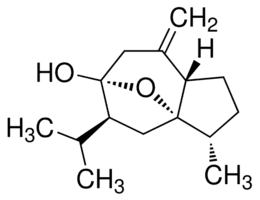
(−)-Curcumol
C15H24O2
Cell Biology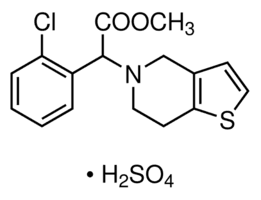
(±) Clopidogrel hydrogensulfate
Cell Biology
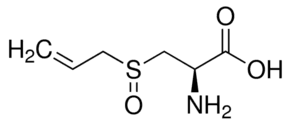
(±)-L-Alliin
C6H11NO3S
Cell Biology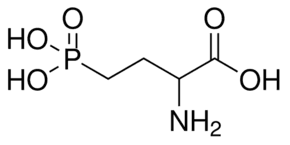
(±)-2-Amino-4-phosphonobutyric acid
C4H10NO5P
Cell Biology
(±)-2-Methylarachidonoyl-2′-fluoroethylamide
C23H38NOF
Cell Biology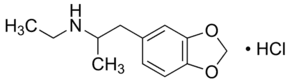
(±)-3,4-Methylenedioxy-N-ethylamphetamine hydrochloride
Cell Biology
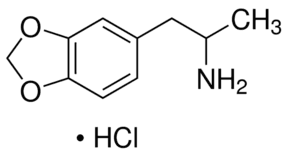
(±)-3,4-Methylenedioxyamphetamine hydrochloride
Cell Biology
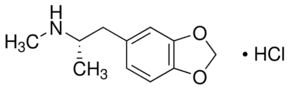
(±)-3,4-Methylenedioxymethamphetamine hydrochloride
Cell Biology
▶ Explore more

Bis(cyclopentadienyl)cobalt(III) hexafluorophosphate
C10H10CoF6P
Catalysis & Inorganic
1-(4-Chlorophenyl)biguanide hydrochloride
ClC6H4NHC(NH)NHC(NH)NH2 · HCl
Chemical Synthesis
Bis(cyclopentadienyl)dimethylzirconium(IV)
Catalysis & Inorganic

1-(4-Chlorophenyl)ethanol
ClC6H4CH(CH3)OH
Chemical Synthesis