4,4′-Methylene-bis(2-chloroaniline)
4,4′-Methylene-bis(2-chloroaniline) (CAS: 101-14-4) is a dichloro-substituted aromatic diamine with a molecular weight of 267.15 g/mol. This compound serves as a crucial monomer and intermediate in polymer science and materials science. It is primarily utilised in the synthesis of high-performance polymers, including polyurethanes and epoxy resins, contributing to materials with enhanced thermal stability and chemical resistance. Its specific applications are driven by its reactive amine groups and structural properties.
- IUPAC
- 2,2′-Dichloro-4,4′-methylenedianiline,4,4′-Diamino-3,3′-dichlorodiphenylmethane
- Synonyms
- 2,2′-Dichloro-4,4′-diaminodiphenylmethane4,4′-Diamino-3,3′-dichlorodiphenylmethaneMethylene bis(2-chloroaniline)Methylene Dianiline, 2,2'-Dichloro-Bis(4-amino-3-chlorophenyl)methane
![4,4′-Methylene-bis(2-chloroaniline) (CH2[C6H3(Cl)NH2]2) — chemical structure, CAS 101-14-4; Materials Science, fine chemical supplied by Tech Serve Solutions](/_next/image?url=https%3A%2F%2Fpub-f4d920c906024441a773a96f7098e551.r2.dev%2Fimages%2Fproducts%2F101-14-4.png&w=3840&q=75)
Epoxy Resin Curing Agent
4,4′-Methylene-bis(2-chloroaniline) functions as an effective curing agent for epoxy resins. It reacts with epoxy groups to form cross-linked polymer networks, imparting excellent thermal, mechanical, and chemical resistance properties to the cured material. This is vital for demanding applications in coatings, adhesives, and composites.
Polyurethane Synthesis
This diamine is employed as a chain extender or monomer in the production of polyurethanes. Its incorporation into polyurethane formulations can enhance the rigidity, thermal stability, and overall performance of the final polymer, finding use in elastomers and rigid foams.
Intermediate in Organic Synthesis
As a difunctional aromatic amine, it serves as a versatile intermediate for synthesising more complex organic molecules. Its reactive sites allow for further functionalisation, leading to the development of specialised chemicals and materials.
| Molecular weight | 267.15 |
|---|---|
| Linear formula | CH2[C6H3(Cl)NH2]2 |
| Assay | 85% |
| Boiling point | 202-214 °C/0.3 mmHg(lit.) |
| Melting point | 102-107 °C(lit.) |


Hazard statements
- H302Harmful if swallowed
- H341Suspected of causing genetic defects
- H350May cause cancer
- H410Very toxic to aquatic life with long-lasting effects
Precautionary statements
- P201Obtain special instructions before use
- P273Avoid release to the environment
- P281Use personal protective equipment as required
- P308IF exposed or concerned
- P501Dispose of contents and container per local regulations
| Flash point | 113 °C / 235.4 °F |
|---|---|
| Transport (UN / ADR) | UN 3077 9 / PGIII |
| Water hazard class (WGK, DE) | 3 |
| Hazard codes (EU) | T,N |
| Risk statements (R) | 45-22-50/53-68 |
| Safety statements (S) | 53-36/37-45-60-61 |
Hazard information is provided for guidance. Always consult the product Safety Data Sheet (SDS), available on request, before handling.
Documentation
Every batch ships with a Certificate of Analysis covering assay, identity and purity; the grade is confirmed against your enquiry. Safety Data Sheets and technical data sheets are available on request.
Supply & logistics
Samples for technical evaluation; bulk MOQ by grade and packaging. In-stock material ships in 7–10 working days, worldwide, with full export documentation.
What is 4,4′-Methylene-bis(2-chloroaniline) used for?
+
4,4′-Methylene-bis(2-chloroaniline) is primarily used as a monomer for high-performance polymers, including epoxy resins and polyurethanes. It acts as a curing agent or chain extender, enhancing the thermal and mechanical properties of the resulting materials. It also serves as an intermediate in organic synthesis.
What is the CAS number and formula for 4,4′-Methylene-bis(2-chloroaniline)?
+
The CAS number is 101-14-4, and its linear formula is CH₂(C₆H₃(Cl)NH₂)₂.
What grade and purity does Tech Serve Solutions supply?
+
Tech Serve Solutions supplies 4,4′-Methylene-bis(2-chloroaniline) with an assay of 85%. This product is supplied for laboratory and industrial use. TSS does not represent this product as USP, BP, or EP grade.
What are the main safety hazards associated with 4,4′-Methylene-bis(2-chloroaniline)?
+
4,4′-Methylene-bis(2-chloroaniline) is classified as hazardous. It is harmful if swallowed (H302), suspected of causing genetic defects (H341), may cause cancer (H350), and is very toxic to aquatic life with long-lasting effects (H410). Appropriate personal protective equipment and handling procedures are essential.
How is 4,4′-Methylene-bis(2-chloroaniline) packed, shipped, and exported?
+
We ensure products are securely packed in compliance with international shipping regulations. As a global supplier, Tech Serve Solutions exports chemicals worldwide, adhering to all relevant transport and customs requirements for hazardous materials like UN 3077.
How can I request a quote or sample for 4,4′-Methylene-bis(2-chloroaniline)?
+
To request a quote or a sample, please contact our sales team via the details provided on our website. Please specify the quantity required and your delivery location for prompt service.
▶ Related products
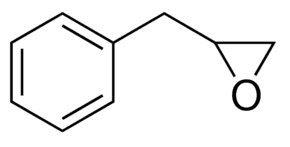
(2,3-Epoxypropyl)benzene
Polymer Science
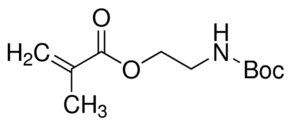
(2-Boc-amino)ethyl methacrylate
C11H19NO4
Polymer Science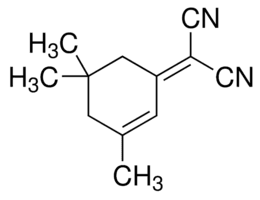
(3,5,5-Trimethylcyclohex-2-enylidene)malononitrile
Polymer Science
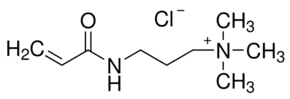
(3-Acrylamidopropyl)trimethylammonium chloride solution
Polymer Science
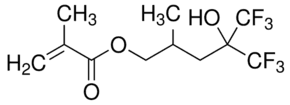
1,1,1-Trifluoro-2-(trifluoromethyl)-2-hydroxy-4-methyl-5-pentyl methacrylate
Polymer Science
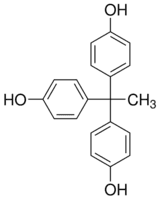
1,1,1-Tris(4-hydroxyphenyl)ethane
Polymer Science
1,1-Cyclohexanediacetic acid
Polymer Science

1,12-Diisocyanatododecane
Polymer Science