
3-Ethoxy-5,6-dibromosalicylaldehyde
3-Ethoxy-5,6-dibromosalicylaldehyde (CAS 20041-64-9), with the molecular formula C9H8Br2O3 and a molecular weight of 323.97 g/mol, is a yellow powder. This compound serves as a valuable reagent in biochemical research, particularly in studies investigating cellular signaling pathways such as JNK activation and NF-κB-mediated inflammation. It has also been employed in research focused on the modulation of autophagy.
- IUPAC
- 2,3-Dibromo-5-ethoxy-6-hydroxy-benzaldehyde,5,6-Dibromo-o-bourbonal
- Synonyms
- 2,3-Dibromo-5-ethoxy-6-hydroxy-benzaldehyde5,6-Dibromo-o-bourbonal

Study of Autophagy Modulation
3-Ethoxy-5,6-dibromosalicylaldehyde has been utilised in research to investigate mechanisms that modulate autophagy, a critical cellular process for degradation and recycling of cellular components.
Investigation of JNK Activation
This compound has been used as a tool in the study of the c-Jun N-terminal kinase (JNK) pathway, a crucial signaling cascade involved in stress response, inflammation, and apoptosis.
Research on NF-κB-Mediated Inflammation
Researchers have employed 3-Ethoxy-5,6-dibromosalicylaldehyde to explore the role of the NF-κB pathway in inflammatory processes, contributing to the understanding of inflammatory diseases.
| Molecular weight | 323.97 |
|---|---|
| Empirical formula | C9H8Br2O3 |
| Assay | ≥95% (HPLC) |
| Form | powder |
| Colour | yellow |
| Solubility | DMSO: ≥15 mg/mL |
| Storage temperature | 2-8°C |
| Application | 3-Ethoxy-5,6-dibromosalicylaldehyde was used to study modulation of autophagy,1 JNK activation2 and NF-κB-mediated inflammation.3 |

Hazard statements
- H302Harmful if swallowed
- H317May cause an allergic skin reaction
Precautionary statements
- P280Wear protective gloves, clothing and eye/face protection
| Water hazard class (WGK, DE) | 3 |
|---|---|
| Hazard codes (EU) | Xn |
| Risk statements (R) | 22-43 |
| Safety statements (S) | 36/37 |
Hazard information is provided for guidance. Always consult the product Safety Data Sheet (SDS), available on request, before handling.
| Storage Condition | desiccated |
|---|
Documentation
Every batch ships with a Certificate of Analysis covering assay, identity and purity; the grade is confirmed against your enquiry. Safety Data Sheets and technical data sheets are available on request.
Supply & logistics
Samples for technical evaluation; bulk MOQ by grade and packaging. In-stock material ships in 7–10 working days, worldwide, with full export documentation.
What is 3-Ethoxy-5,6-dibromosalicylaldehyde used for?
+
3-Ethoxy-5,6-dibromosalicylaldehyde is used in biochemical research to study the modulation of autophagy, JNK activation, and NF-κB-mediated inflammation.
What is the CAS number and formula for 3-Ethoxy-5,6-dibromosalicylaldehyde?
+
The CAS number is 20041-64-9 and the empirical formula (Hill notation) is C9H8Br2O3.
What grade and purity does Tech Serve Solutions supply?
+
Tech Serve Solutions supplies 3-Ethoxy-5,6-dibromosalicylaldehyde with a purity of ≥95% (HPLC). This is a research-grade chemical and is not supplied as USP, BP, EP, or for any pharmaceutical, nutraceutical, or food applications.
How should 3-Ethoxy-5,6-dibromosalicylaldehyde be handled?
+
3-Ethoxy-5,6-dibromosalicylaldehyde is classified as harmful if swallowed and may cause an allergic skin reaction. Handle with appropriate personal protective equipment (PPE) such as gloves and eye protection in a well-ventilated area. Refer to the Safety Data Sheet (SDS) for comprehensive handling information.
How is 3-Ethoxy-5,6-dibromosalicylaldehyde packed and shipped?
+
This chemical is typically supplied as a yellow powder and should be stored desiccated at 2-8°C. As a global supplier, Tech Serve Solutions exports chemicals worldwide, adhering to all relevant shipping regulations.
How can I request a sample or quote for 3-Ethoxy-5,6-dibromosalicylaldehyde?
+
To request a sample or a quotation, please contact our sales team through the website or by phone, providing the product name and CAS number (20041-64-9).
▶ Related products
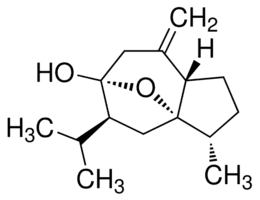
(−)-Curcumol
C15H24O2
Cell Biology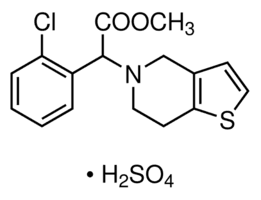
(±) Clopidogrel hydrogensulfate
Cell Biology
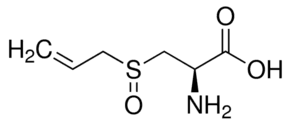
(±)-L-Alliin
C6H11NO3S
Cell Biology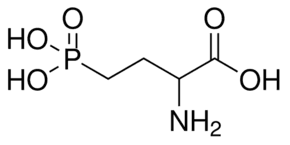
(±)-2-Amino-4-phosphonobutyric acid
C4H10NO5P
Cell Biology
(±)-2-Methylarachidonoyl-2′-fluoroethylamide
C23H38NOF
Cell Biology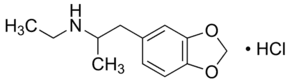
(±)-3,4-Methylenedioxy-N-ethylamphetamine hydrochloride
Cell Biology
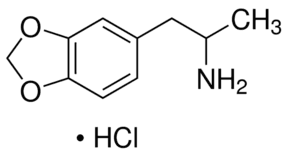
(±)-3,4-Methylenedioxyamphetamine hydrochloride
Cell Biology
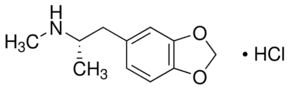
(±)-3,4-Methylenedioxymethamphetamine hydrochloride
Cell Biology
▶ Explore more

Bis(cyclopentadienyl)cobalt(III) hexafluorophosphate
C10H10CoF6P
Catalysis & Inorganic
1-(4-Chlorophenyl)biguanide hydrochloride
ClC6H4NHC(NH)NHC(NH)NH2 · HCl
Chemical Synthesis
Bis(cyclopentadienyl)dimethylzirconium(IV)
Catalysis & Inorganic

1-(4-Chlorophenyl)ethanol
ClC6H4CH(CH3)OH
Chemical Synthesis