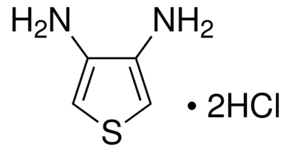
3,4-Diaminothiophene dihydrochloride
3,4-Diaminothiophene dihydrochloride (CAS 90069-81-1) is a thiophene derivative supplied by TSS. With a molecular weight of 187.09 g/mol and an assay of 97%, this compound serves as a valuable intermediate in organic synthesis. It is primarily utilised in materials science and organic electronics research, contributing to the development of novel functional materials and devices.
- IUPAC
- 3,4-Thiophenediamine dihydrochloride
- Synonyms
- 3,4-Thiophenediamine dihydrochloride
Organic Electronics
3,4-Diaminothiophene dihydrochloride is employed as a building block in the synthesis of conjugated polymers and organic semiconductors. These materials are crucial for applications in organic light-emitting diodes (OLEDs), organic photovoltaics (OPVs), and organic field-effect transistors (OFETs).
Materials Science Research
This compound acts as a versatile intermediate for developing advanced materials with specific electronic or optical properties. Its use facilitates the exploration of new molecular architectures for functional materials.
Synthetic Intermediates
As a diaminothiophene derivative, it is instrumental in complex organic synthesis pathways. It provides a reactive thiophene core for constructing larger, more intricate molecular structures.
| Molecular weight | 187.09 |
|---|---|
| Empirical formula | C4H6N2S · 2HCl |
| Assay | 97% |
| Melting point | 240-245 °C240-245 °C |


Hazard statements
- H301Toxic if swallowed
- H317May cause an allergic skin reaction
- H318Causes serious eye damage
Precautionary statements
- P280Wear protective gloves, clothing and eye/face protection
- P301IF SWALLOWED
- P305IF IN EYES
| Transport (UN / ADR) | UN 2811 6.1 / PGIII |
|---|---|
| Water hazard class (WGK, DE) | 3 |
| Hazard codes (EU) | T |
| Risk statements (R) | 25-41-43 |
| Safety statements (S) | 26-37-45 |
Hazard information is provided for guidance. Always consult the product Safety Data Sheet (SDS), available on request, before handling.
Documentation
Every batch ships with a Certificate of Analysis covering assay, identity and purity; the grade is confirmed against your enquiry. Safety Data Sheets and technical data sheets are available on request.
Supply & logistics
Samples for technical evaluation; bulk MOQ by grade and packaging. In-stock material ships in 7–10 working days, worldwide, with full export documentation.
What is 3,4-Diaminothiophene dihydrochloride used for?
+
3,4-Diaminothiophene dihydrochloride is primarily used as a building block in organic electronics and materials science research, and as a synthetic intermediate.
What are the CAS number and formula for 3,4-Diaminothiophene dihydrochloride?
+
The CAS number is 90069-81-1, and its empirical formula is C4H6N2S · 2HCl.
What grade and purity does Tech Serve Solutions supply?
+
Tech Serve Solutions supplies 3,4-Diaminothiophene dihydrochloride with an assay of 97%. We do not represent this product as meeting USP, BP, or EP pharmacopoeial standards.
How should 3,4-Diaminothiophene dihydrochloride be handled safely?
+
This compound is classified as Danger, indicated by GHS05 and GHS06 symbols. It is harmful if swallowed (H301), causes skin irritation (H317), and serious eye damage (H318). Handle with appropriate personal protective equipment, including gloves, eye protection, and protective clothing. Ensure good ventilation.
Is 3,4-Diaminothiophene dihydrochloride packed and shipped internationally by TSS?
+
Yes, Tech Serve Solutions is a global supplier and exporter of fine chemicals, including 3,4-Diaminothiophene dihydrochloride, adhering to all relevant shipping regulations (UN 2811 6.1 / PGIII).
How can I request a sample or quote for 3,4-Diaminothiophene dihydrochloride?
+
To request a sample or quote, please use the contact form on our website or email our sales department directly, referencing the product name and CAS number.
▶ Related products
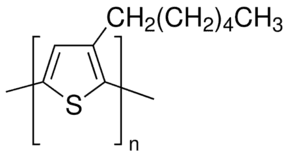
Poly(3-hexylthiophene-2,5-diyl)
Organic & Printed Electronics
![[6,6]-Phenyl C71 butyric acid methyl ester, mixture of isomers — chemical structure, CAS 609771-63-3; Organic & Printed Electronics, fine chemical supplied by Tech Serve Solutions](/_next/image?url=https%3A%2F%2Fpub-f4d920c906024441a773a96f7098e551.r2.dev%2Fimages%2Fproducts%2F609771-63-3.png&w=3840&q=75)
[6,6]-Phenyl C71 butyric acid methyl ester, mixture of isomers
Organic & Printed Electronics
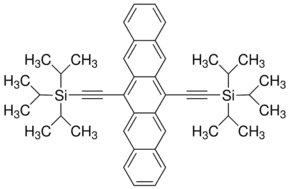
6,13-Bis(triisopropylsilylethynyl)pentacene
Organic & Printed Electronics
![[6,6]-Phenyl C61 butyric acid methyl ester — chemical structure, CAS 160848-22-6; Organic & Printed Electronics, fine chemical supplied by Tech Serve Solutions](/_next/image?url=https%3A%2F%2Fpub-f4d920c906024441a773a96f7098e551.r2.dev%2Fimages%2Fproducts%2F160848-22-6.png&w=3840&q=75)
[6,6]-Phenyl C61 butyric acid methyl ester
Organic & Printed Electronics
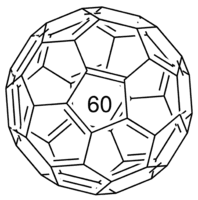
Fullerene-C60
C60
Organic & Printed Electronics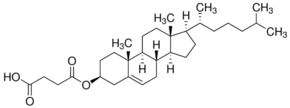
Cholesteryl hemisuccinate
C31H50O4
Organic & Printed Electronics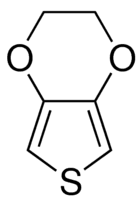
3,4-Ethylenedioxythiophene
Organic & Printed Electronics
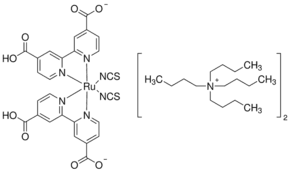
Di-tetrabutylammonium cis-bis(isothiocyanato)bis(2,2′-bipyridyl-4,4′-dicarboxylato)ruthenium(II)
Organic & Printed Electronics