3,3′-Dimethoxy-4,4′-biphenylene diisocyanate
3,3′-Dimethoxy-4,4′-biphenylene diisocyanate (CAS: 91-93-0) is an organic compound with a molecular weight of 296.28 g/mol. This diisocyanate is primarily utilised as a building block in chemical synthesis, particularly in the production of polymers and specialised organic materials. Its reactive isocyanate groups lend themselves to various cross-linking and polymerisation reactions, making it a valuable intermediate in material science and organic chemistry research and development.
- Synonyms
- 91-93-0[-C6H3(OCH3)NCO]2
![3,3′-Dimethoxy-4,4′-biphenylene diisocyanate ([-C6H3(OCH3)NCO]2) — chemical structure, CAS 91-93-0; Chemistry, fine chemical supplied by Tech Serve Solutions](/_next/image?url=https%3A%2F%2Fpub-f4d920c906024441a773a96f7098e551.r2.dev%2Fimages%2Fproducts%2F91-93-0.png&w=3840&q=75)
Polymer Synthesis
The diisocyanate functionality makes this compound suitable for the synthesis of polyurethanes and other polymers through reactions with polyols or amines. It can be used to create materials with specific thermal or mechanical properties.
Organic Synthesis Intermediate
As a difunctional organic molecule, it serves as a key intermediate in the construction of more complex organic structures. Its specific arrangement of methoxy and isocyanate groups allows for targeted chemical modifications.
Material Science Research
This compound is employed in research settings for developing novel materials, coatings, and adhesives, leveraging the reactivity of the isocyanate groups for cross-linking or functionalisation.
| Molecular weight | 296.28 |
|---|---|
| Linear formula | [-C6H3(OCH3)NCO]2 |
| Assay | 85% |
| Impurities tested | <15% toluene |
| Melting point | 112-116 °C(lit.) |

Hazard statements
- H301Toxic if swallowed
- H311Toxic in contact with skin
- H331Toxic if inhaled
Precautionary statements
- P261Avoid breathing dust, fume, gas or vapours
- P280Wear protective gloves, clothing and eye/face protection
- P301IF SWALLOWED
- P311Call a POISON CENTER or doctor
| Protective equipment | Eyeshields, Faceshields, Gloves, type P2 (EN 143) respirator cartridges |
|---|---|
| Flash point | 77 °C / 170.6 °F |
| Transport (UN / ADR) | UN 2811 6.1 / PGII |
| Water hazard class (WGK, DE) | 3 |
| Hazard codes (EU) | T |
| Risk statements (R) | 23/24/25 |
| Safety statements (S) | 26-36-45 |
Hazard information is provided for guidance. Always consult the product Safety Data Sheet (SDS), available on request, before handling.
Documentation
Every batch ships with a Certificate of Analysis covering assay, identity and purity; the grade is confirmed against your enquiry. Safety Data Sheets and technical data sheets are available on request.
Supply & logistics
Samples for technical evaluation; bulk MOQ by grade and packaging. In-stock material ships in 7–10 working days, worldwide, with full export documentation.
What is 3,3′-Dimethoxy-4,4′-biphenylene diisocyanate used for?
+
3,3′-Dimethoxy-4,4′-biphenylene diisocyanate is primarily used as a building block in organic synthesis and for the development of polymers and specialised materials. It acts as an intermediate in chemical manufacturing and material science research.
What is the CAS number and formula for 3,3′-Dimethoxy-4,4′-biphenylene diisocyanate?
+
The CAS number is 91-93-0 and its linear formula is [-C₆H₃(OCH₃)NCO]₂.
What grade and purity does Tech Serve Solutions supply?
+
Tech Serve Solutions supplies 3,3′-Dimethoxy-4,4′-biphenylene diisocyanate with an assay of 85%, containing less than 15% toluene as an impurity. This product is not represented as USP, BP, EP, or other pharmacopoeia grades.
How should 3,3′-Dimethoxy-4,4′-biphenylene diisocyanate be handled safely?
+
This compound is classified as Danger, with hazards including H301, H311, and H331 (Toxic if swallowed, in contact with skin, or if inhaled). Appropriate personal protective equipment, including eyeshields, faceshields, gloves, and P2 respirator cartridges, must be used. Handle in a well-ventilated area and seek immediate medical attention if exposed.
Is 3,3′-Dimethoxy-4,4′-biphenylene diisocyanate a controlled substance?
+
The provided data does not indicate that 3,3′-Dimethoxy-4,4′-biphenylene diisocyanate is a controlled substance.
How is 3,3′-Dimethoxy-4,4′-biphenylene diisocyanate packed and shipped?
+
This compound is shipped under UN 2811, Hazard Class 6.1, Packing Group II. Packaging adheres to strict international regulations for hazardous materials to ensure safe transit and export.
How can I request a quote or sample?
+
To request a quote or sample of 3,3′-Dimethoxy-4,4′-biphenylene diisocyanate, please contact our sales department via the website or by phone. Our team will assist you promptly with your inquiry.
▶ Related products
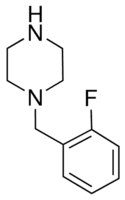
1-(2-Fluorobenzyl)piperazine
C11H15FN2
Chemical Synthesis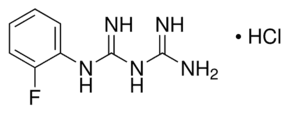
1-(2-Fluorophenyl)biguanide hydrochloride
Chemical Synthesis
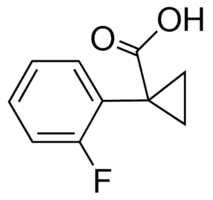
1-(2-Fluorophenyl)cyclopropanecarboxylic acid
C10H9FO2
Chemical Synthesis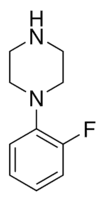
1-(2-Fluorophenyl)piperazine
C10H13FN2
Chemical Synthesis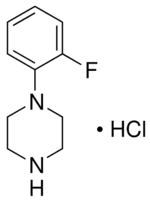
1-(2-Fluorophenyl)piperazine monohydrochloride
C10H13FN2 · HCl
Chemical Synthesis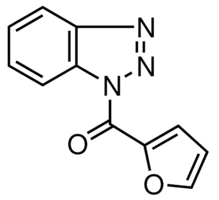
1-(2-Furoyl)-1H-benzotriazole
C11H7N3O2
Chemical Synthesis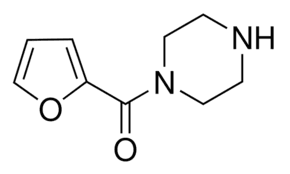
1-(2-Furoyl)piperazine
C9H12N2O2
Chemical Synthesis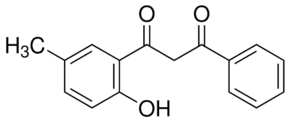
1-(2-Hydroxy-5-methylphenyl)-3-phenyl-1,3-propanedione
Chemical Synthesis