
3,3,4,4,5,5,6,6,7,7,8,8,9,9,10,10,10-Heptadecafluorodecyl isocyanate
3,3,4,4,5,5,6,6,7,7,8,8,9,9,10,10,10-Heptadecafluorodecyl isocyanate (CAS: 142010-50-2) is a specialized fluorinated organic compound with the empirical formula C11H4F17NO and a molecular weight of 489.13 g/mol. It serves as a key building block in fluorous synthesis and chemical specialty applications. This isocyanate derivative is essential for introducing fluorinated chains into various molecules, enabling unique material properties and facilitating purification processes.
- IUPAC
- 1H,1H,2H,2H-Perfluorodecyl isocyanate,2-(Perfluorooctyl)ethyl isocyanate
- Synonyms
- 4,5,5,6,6,7,7,8,8,9,9,10,10,10-Heptadecafluorodecyl isocyanate1H,1H,2H,2H-Perfluorodecyl isocyanate2-(Perfluorooctyl)ethyl isocyanate

Fluorous Synthesis
This compound is integral to fluorous synthesis strategies, enabling the facile separation of reaction products by leveraging the unique solubility properties of fluorinated tags. It is used to attach perfluorinated chains to target molecules.
Specialty Chemical Synthesis
As a reactive isocyanate, it is employed in the synthesis of advanced materials and complex organic molecules requiring fluorinated segments. Its reactivity allows for the formation of stable linkages, such as ureas and carbamates.
Surface Modification
The compound can be used to modify surfaces, imparting hydrophobic and oleophobic properties due to the long perfluorinated chain. This is valuable in applications requiring low surface energy coatings.
Rf-Tagged Scavengers
It is a precursor for creating Rf-tagged scavengers in solution-phase synthesis, aiding in the removal of excess reagents or by-products by selective extraction.
| Molecular weight | 489.13 |
|---|---|
| Empirical formula | C11H4F17NO |
| Assay | ≥97.0% |
| Boiling point | 65 °C/0.5 mmHg |
| Storage temperature | 2-8°C |
| Melting point | 26-31 °C |


Hazard statements
- H302Harmful if swallowed
- H312Harmful in contact with skin
- H315Causes skin irritation
- H318Causes serious eye damage
- H332Harmful if inhaled
- H334May cause allergy or asthma symptoms if inhaled
- H335May cause respiratory irritation
Precautionary statements
- P261Avoid breathing dust, fume, gas or vapours
- P280Wear protective gloves, clothing and eye/face protection
- P305IF IN EYES
- P342
| Protective equipment | dust mask type N95 (US), Eyeshields, Faceshields, Gloves |
|---|---|
| Flash point | >110 °C / >230 °F |
| Water hazard class (WGK, DE) | 3 |
| Hazard codes (EU) | Xn |
| Risk statements (R) | 20/21/22-37/38-41-42 |
| Safety statements (S) | 22-26-36/37/39-45 |
Hazard information is provided for guidance. Always consult the product Safety Data Sheet (SDS), available on request, before handling.
Documentation
Every batch ships with a Certificate of Analysis covering assay, identity and purity; the grade is confirmed against your enquiry. Safety Data Sheets and technical data sheets are available on request.
Supply & logistics
Samples for technical evaluation; bulk MOQ by grade and packaging. In-stock material ships in 7–10 working days, worldwide, with full export documentation.
What is 3,3,4,4,5,5,6,6,7,7,8,8,9,9,10,10,10-Heptadecafluorodecyl isocyanate used for?
+
This compound is primarily used in fluorous synthesis, specialty chemical synthesis, surface modification, and for creating Rf-tagged scavengers. It acts as a building block to introduce perfluorinated chains into molecules.
What is the CAS number and chemical formula?
+
The CAS number is 142010-50-2 and the empirical formula is C11H4F17NO.
What grade and purity does Tech Serve Solutions supply?
+
Tech Serve Solutions supplies this product with an assay of ≥97.0%. We do not represent this product as USP, BP, EP, or any other pharmacopoeia grade.
How should 3,3,4,4,5,5,6,6,7,7,8,8,9,9,10,10,10-Heptadecafluorodecyl isocyanate be handled safely?
+
This compound is a Danger hazard. It is harmful if swallowed, in contact with skin, or if inhaled, and causes skin and eye irritation, and may cause respiratory irritation or allergy. Handle with appropriate personal protective equipment including a dust mask (type N95 recommended), eyeshields, face shields, and gloves in a well-ventilated area. Avoid breathing dust/fume/gas/mist/vapours/spray. Avoid contact with skin and eyes. Wear protective gloves/protective clothing/eye protection/face protection. If in eyes, rinse cautiously with water for several minutes. Remove contact lenses, if present and easy to do. Continue rinsing. Seek immediate medical attention if exposed or concerned.
How is this chemical typically shipped or exported?
+
As a global supplier, Tech Serve Solutions exports chemicals worldwide, adhering to all relevant shipping and customs regulations for hazardous materials. Specific packaging details are confirmed upon order.
How can I request a sample or quote?
+
You can request a sample or a quote by contacting our sales team directly through our website or by calling us. Please provide the product name or CAS number for faster service.
▶ Related products
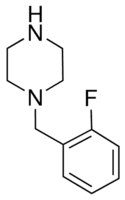
1-(2-Fluorobenzyl)piperazine
C11H15FN2
Chemical Synthesis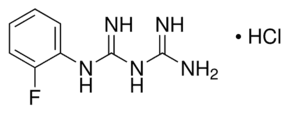
1-(2-Fluorophenyl)biguanide hydrochloride
Chemical Synthesis
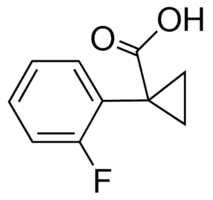
1-(2-Fluorophenyl)cyclopropanecarboxylic acid
C10H9FO2
Chemical Synthesis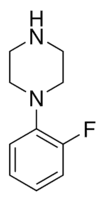
1-(2-Fluorophenyl)piperazine
C10H13FN2
Chemical Synthesis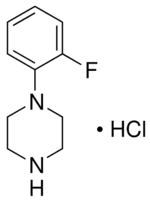
1-(2-Fluorophenyl)piperazine monohydrochloride
C10H13FN2 · HCl
Chemical Synthesis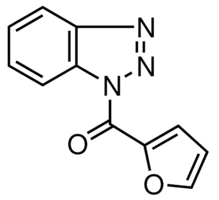
1-(2-Furoyl)-1H-benzotriazole
C11H7N3O2
Chemical Synthesis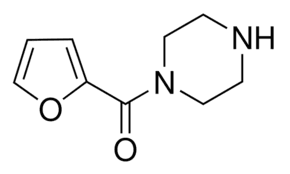
1-(2-Furoyl)piperazine
C9H12N2O2
Chemical Synthesis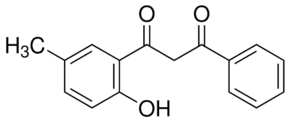
1-(2-Hydroxy-5-methylphenyl)-3-phenyl-1,3-propanedione
Chemical Synthesis
▶ Explore more

Bis(cyclopentadienyl)cobalt(III) hexafluorophosphate
C10H10CoF6P
Catalysis & Inorganic
1-(4-Chlorophenyl)biguanide hydrochloride
ClC6H4NHC(NH)NHC(NH)NH2 · HCl
Chemical Synthesis
Bis(cyclopentadienyl)dimethylzirconium(IV)
Catalysis & Inorganic

1-(4-Chlorophenyl)ethanol
ClC6H4CH(CH3)OH
Chemical Synthesis