3,3,4,4,5,5,6,6,7,7,8,8,9,10,10,10-Hexadecafluoro-9-(trifluoromethyl)decyl acrylate
3,3,4,4,5,5,6,6,7,7,8,8,9,10,10,10-Hexadecafluoro-9-(trifluoromethyl)decyl acrylate (CAS: 15577-26-1) is a fluorinated acrylic monomer with the linear formula H₂C=CHCO₂CH₂CH₂(CF₂)₆CF(CF₃)₂. Possessing a molecular weight of 568.17 g/mol, this compound finds primary utility in advanced material science and microelectronics. Its unique fluorinated structure makes it valuable for developing specialised polymers, particularly for applications requiring low surface energy, chemical resistance, and specific optical properties, such as in advanced lithography resists.
- Synonyms
- 4,5,5,6,6,7,7,8,8,9,10,10,10-Hexadecafluoro-9-(trifluoromethyl)decyl acrylate15577-26-1H2C=CHCO2CH2CH2(CF2)6CF(CF3)2

Advanced Polymer Synthesis
This fluorinated acrylate monomer is used in the synthesis of high-performance polymers. Its incorporation imparts desirable properties such as hydrophobicity, oleophobicity, and enhanced chemical resistance to the resulting polymer chains.
Microelectronics and Lithography
The monomer is specifically noted for its use in formulating resist materials for 157 nm UV lithography. Polymers derived from this compound are crucial for creating advanced microelectronic devices requiring high resolution and precise pattern transfer.
Surface Modification
It serves as a building block for creating surfaces with tailored properties. Polymers and copolymers containing this fluorinated acrylate can be used to modify surface energy, reduce friction, and improve non-stick characteristics.
Materials Science Research
Researchers utilise this compound in materials science to explore novel fluoropolymer architectures and their potential applications in coatings, membranes, and specialised optical materials.
| Molecular weight | 568.17 |
|---|---|
| Linear formula | H2C=CHCO2CH2CH2(CF2)6CF(CF3)2 |
| Assay | 97% |
| Boiling point | 243 °C(lit.) |
| Density | 1.667 g/mL at 25 °C(lit.) |
| Refractive index | n20/D 1.34(lit.) |
| Contains / stabiliser | 100 ppm 4-tert-butylcatechol as inhibitor |

Hazard statements
- H315Causes skin irritation
- H319Causes serious eye irritation
- H335May cause respiratory irritation
Precautionary statements
- P261Avoid breathing dust, fume, gas or vapours
- P305IF IN EYES
| Protective equipment | Eyeshields, full-face respirator (US), Gloves, multi-purpose combination respirator cartridge (US), type ABEK (EN14387) respirator filter |
|---|---|
| Flash point | 113 °C / 235.4 °F |
| Water hazard class (WGK, DE) | 3 |
| Hazard codes (EU) | Xi |
| Risk statements (R) | 36/37/38 |
| Safety statements (S) | 26-36 |
Hazard information is provided for guidance. Always consult the product Safety Data Sheet (SDS), available on request, before handling.
Documentation
Every batch ships with a Certificate of Analysis covering assay, identity and purity; the grade is confirmed against your enquiry. Safety Data Sheets and technical data sheets are available on request.
Supply & logistics
Samples for technical evaluation; bulk MOQ by grade and packaging. In-stock material ships in 7–10 working days, worldwide, with full export documentation.
What is 3,3,4,4,5,5,6,6,7,7,8,8,9,10,10,10-Hexadecafluoro-9-(trifluoromethyl)decyl acrylate used for?
+
This compound is primarily used in advanced polymer synthesis for applications in microelectronics, particularly in resist materials for 157 nm UV lithography, and for surface modification due to its unique fluorinated structure.
What is the CAS number and formula for 3,3,4,4,5,5,6,6,7,7,8,8,9,10,10,10-Hexadecafluoro-9-(trifluoromethyl)decyl acrylate?
+
The CAS number is 15577-26-1 and the linear formula is H₂C=CHCO₂CH₂CH₂(CF₂)₆CF(CF₃)₂.
What grade and purity does Tech Serve Solutions supply?
+
Tech Serve Solutions supplies this chemical with an assay of 97%. We do not represent this product as USP, BP, EP, or other pharmacopoeial grades.
How should 3,3,4,4,5,5,6,6,7,7,8,8,9,10,10,10-Hexadecafluoro-9-(trifluoromethyl)decyl acrylate be handled safely?
+
This compound is a Warning substance, causing skin irritation (H315), serious eye irritation (H319), and respiratory irritation (H335). Appropriate personal protective equipment, including eyeshields and gloves, should be worn. Ensure adequate ventilation and use a suitable respirator if exposure limits are exceeded. Refer to the Safety Data Sheet for comprehensive handling information.
How is this chemical packed and exported by TSS?
+
Tech Serve Solutions, as a specialist global supplier and exporter, ensures appropriate packaging for safe transit and handles all necessary export documentation for international shipments.
How can I request a sample or quote for this chemical?
+
To request a sample or a quotation, please contact our sales department through the TSS website or by phone, providing the product name and CAS number (15577-26-1).
▶ Related products
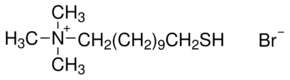
(11-Mercaptoundecyl)-N,N,N-trimethylammonium bromide
Micro / NanoElectronics

(11-Mercaptoundecyl)hexa(ethylene glycol)
C23H48O7S
Micro / NanoElectronics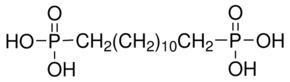
(12-Phosphonododecyl)phosphonic acid
C12H28O6P2
Micro / NanoElectronics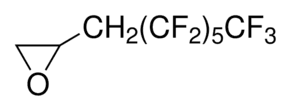
(2,2,3,3,4,4,5,5,6,6,7,7,7-Tridecafluoroheptyl)oxirane
C9H5F13O
Micro / NanoElectronics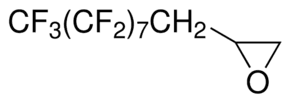
(2,2,3,3,4,4,5,5,6,6,7,7,8,8,9,9,9-Heptadecafluorononyl)oxirane
C11H5F17O
Micro / NanoElectronics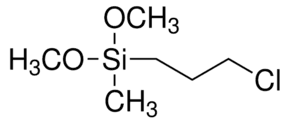
(3-Chloropropyl)dimethoxymethylsilane
Cl(CH2)3Si(OCH3)2CH3
Micro / NanoElectronics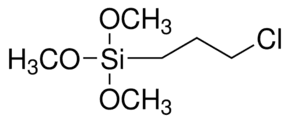
(3-Chloropropyl)trimethoxysilane
Cl(CH2)3Si(OCH3)3
Micro / NanoElectronics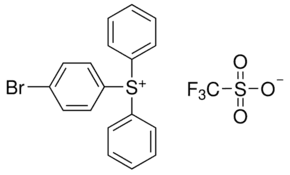
(4-Bromophenyl)diphenylsulfonium triflate
C19H14BrF3O3S2
Micro / NanoElectronics