
2-Mercaptoethanol
2-Mercaptoethanol (CAS: 60-24-2), also known as BME or thioethylene glycol, is a vital organic sulfur compound with the linear formula HSCH₂CH₂OH and a molecular weight of 78.13 g/mol. This colourless liquid is indispensable in biochemical laboratories, primarily recognised for its potent reducing capabilities. It effectively cleaves both intermolecular and intramolecular disulfide bonds in proteins, facilitating accurate analysis via SDS-PAGE.
- IUPAC
- β-Mercaptoethanol,2-Hydroxyethylmercaptan,BME,Thioethylene glycol
- Synonyms
- β-Mercaptoethanol2-HydroxyethylmercaptanBMEThioethylene glycol

Protein Disulfide Bond Reduction
2-Mercaptoethanol is widely used to reduce disulfide bonds in proteins. This process is crucial for protein denaturation and for preparing protein samples for SDS-PAGE analysis, ensuring accurate molecular weight determination.
SDS-PAGE Sample Preparation
Incorporated into sample buffers at approximately 5%, BME ensures complete reduction of disulfide bonds. This allows protein subunits to migrate independently based on their molecular weight, free from the influence of secondary structure.
Biochemical Research
As a versatile reducing agent, it plays a role in various biochemical applications and organic synthesis pathways, contributing to the understanding and manipulation of biological molecules.
| Molecular weight | 78.13 |
|---|---|
| Linear formula | HSCH2CH2OH |
| Assay | ≥99.0% |
| Boiling point | 157 °C(lit.) |
| Density | 1.114 g/mL at 25 °C(lit.) |
| Refractive index | n20/D 1.500(lit.) |
| Concentration | 14.3 M (pure liquid) |
| Vapour pressure | 1 mmHg (20 °C) |
| Vapour density | 2.69 (vs air) |
| Storage temperature | room temp |
| Application | BME is suitable for reducing protein disulfide bonds prior to polyacrylamide gel electrophoresis and is usually included in a sample buffer for SDS-PAGE at a concentration of 5%. Cleaving intermolecular (between subunits) disulfide bonds allows the subunits of a protein to separate independently on SDS-PAGE. Cleaving intramolecular (within subunit) disulfide bonds allows the subunits to become completely denatured so that each peptide migrates according to its chain length with no influence due to secondary structure. |
| Suitability | suitable for cell culture |


Hazard statements
- H301Toxic if swallowed
- H310Fatal in contact with skin
- H315Causes skin irritation
- H317May cause an allergic skin reaction
- H318Causes serious eye damage
- H373May cause damage to organs through prolonged exposure
- H410Very toxic to aquatic life with long-lasting effects
Precautionary statements
- P261Avoid breathing dust, fume, gas or vapours
- P273Avoid release to the environment
- P280Wear protective gloves, clothing and eye/face protection
- P301IF SWALLOWED
- P302IF ON SKIN
- P305IF IN EYES
| Protective equipment | Faceshields, full-face respirator (US), Gloves, Goggles, multi-purpose combination respirator cartridge (US), type ABEK (EN14387) respirator filter |
|---|---|
| Flash point | 68 °C / 154.4 °F |
| Transport (UN / ADR) | UN 2966 6.1 / PGII |
| Water hazard class (WGK, DE) | 3 |
| Hazard codes (EU) | T,N |
| Risk statements (R) | 23/24/25-38-41-43-48/22-50/53 |
| Safety statements (S) | 26-36/37/39-45-60-61 |
Hazard information is provided for guidance. Always consult the product Safety Data Sheet (SDS), available on request, before handling.
| Target Organs | Heart, Liver |
|---|
Documentation
Every batch ships with a Certificate of Analysis covering assay, identity and purity; the grade is confirmed against your enquiry. Safety Data Sheets and technical data sheets are available on request.
Supply & logistics
Samples for technical evaluation; bulk MOQ by grade and packaging. In-stock material ships in 7–10 working days, worldwide, with full export documentation.
What is 2-Mercaptoethanol primarily used for?
+
2-Mercaptoethanol (BME) is primarily used in laboratories to reduce protein disulfide bonds, particularly for preparing samples for SDS-PAGE analysis.
What are the CAS number and formula for 2-Mercaptoethanol?
+
The CAS number for 2-Mercaptoethanol is 60-24-2, and its linear formula is HSCH₂CH₂OH.
What grade and purity does Tech Serve Solutions supply for 2-Mercaptoethanol?
+
Tech Serve Solutions supplies 2-Mercaptoethanol with an assay of ≥99.0%. This product is intended for laboratory and chemical synthesis use and is not represented as USP, BP, or EP grade.
How should 2-Mercaptoethanol be handled safely?
+
2-Mercaptoethanol is a dangerous substance. Handle with extreme caution, wearing appropriate personal protective equipment including gloves, goggles, and a full-face respirator. It is toxic if swallowed, inhaled, or in contact with skin, causes serious eye damage, skin irritation, and may cause an allergic skin reaction. It is also toxic to aquatic life with long-lasting effects. Ensure good ventilation and avoid release to the environment.
How is 2-Mercaptoethanol packed and shipped by TSS?
+
Tech Serve Solutions exports and supplies 2-Mercaptoethanol, adhering to strict safety and regulatory guidelines for chemical transport. Packaging details are available upon request for specific orders.
How can I request a quote or sample for 2-Mercaptoethanol?
+
To request a quote or a sample of 2-Mercaptoethanol, please contact the Tech Serve Solutions sales team through our website or listed contact details.
▶ Related products
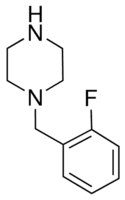
1-(2-Fluorobenzyl)piperazine
C11H15FN2
Chemical Synthesis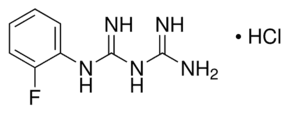
1-(2-Fluorophenyl)biguanide hydrochloride
Chemical Synthesis
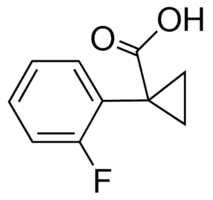
1-(2-Fluorophenyl)cyclopropanecarboxylic acid
C10H9FO2
Chemical Synthesis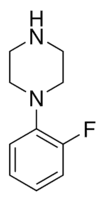
1-(2-Fluorophenyl)piperazine
C10H13FN2
Chemical Synthesis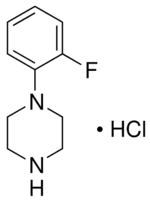
1-(2-Fluorophenyl)piperazine monohydrochloride
C10H13FN2 · HCl
Chemical Synthesis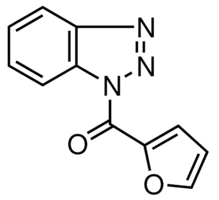
1-(2-Furoyl)-1H-benzotriazole
C11H7N3O2
Chemical Synthesis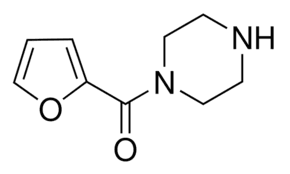
1-(2-Furoyl)piperazine
C9H12N2O2
Chemical Synthesis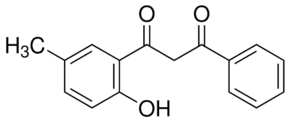
1-(2-Hydroxy-5-methylphenyl)-3-phenyl-1,3-propanedione
Chemical Synthesis
▶ Explore more

Bis(cyclopentadienyl)cobalt(III) hexafluorophosphate
C10H10CoF6P
Catalysis & Inorganic
1-(4-Chlorophenyl)biguanide hydrochloride
ClC6H4NHC(NH)NHC(NH)NH2 · HCl
Chemical Synthesis
Bis(cyclopentadienyl)dimethylzirconium(IV)
Catalysis & Inorganic

1-(4-Chlorophenyl)ethanol
ClC6H4CH(CH3)OH
Chemical Synthesis