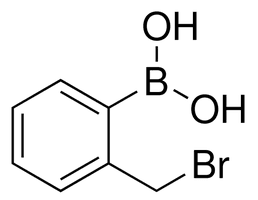
2-(Bromomethyl)phenylboronic acid
2-(Bromomethyl)phenylboronic acid (CAS: 91983-14-1), with the empirical formula C7H8BBrO2 and a molecular weight of 214.85 g/mol, is a versatile aryl boronic acid derivative. This compound serves as a key reactant in various synthetic pathways. Its applications range from the development of sensory systems for carbohydrate detection to the synthesis of novel phosphonium salts for cytotoxicity studies and the creation of chemosensors for metal ion determination. It is also utilized in reactions with adenine for potential therapeutic agents.
- IUPAC
- α-Bromo-o-tolueneboronic acid,o-Boronobenzyl bromide
- Synonyms
- α-Bromo-o-tolueneboronic acido-Boronobenzyl bromide
Carbohydrate Detection Systems
Used in the development of sensory systems designed for the detection of glucose, other monosaccharides, and hydroxycarboxylates, leveraging the specific binding properties of boronic acids.
Cytotoxicity Studies
Employed in the synthesis of boronated triaryl and tetraaryl phosphonium salts, which are subsequently investigated for their potential cytotoxic activities.
Metal Ion Chemosensors
Integral to the synthesis of colorimetric and fluorometric chemosensors for mercury determination, often incorporating rhodamine and boronic acid functionalities.
Fluoride Ion Sensing
Utilised in the preparation of imidazolium-containing boronic acids, which function as effective sensors for fluoride ions.
Medicinal Chemistry Research
Reacts with adenine to form molecules with potential anti-inflammatory and antitumor activities, contributing to drug discovery efforts.
| Molecular weight | 214.85 |
|---|---|
| Empirical formula | C7H8BBrO2 |
| Storage temperature | 2-8°C |
| Application | Reactant involved in:• Studies of carbon-boron bond cleavage of phenylboronate-pendant cyclen1• Development of a sensory system to detect glucose2,3 or other monosaccharides and hydroxycarboxylates4• Synthesis of boronated triaryl and tetraaryl phosphonium salts used in cytotoxicity studies5• Colorimetry and fluorometry mercury determination with chemosensors composed of rhodamine and boronic acid groups6• Synthesis of imidazolium-containing boronic acids used as fluoride ion sensors7• Reactions with adenine for molecules with antiinflammatory antitumor activities |
| Melting point | 158-162 °C |

Hazard statements
- H315Causes skin irritation
- H319Causes serious eye irritation
- H335May cause respiratory irritation
Precautionary statements
- P261Avoid breathing dust, fume, gas or vapours
- P305IF IN EYES
| Protective equipment | dust mask type N95 (US), Eyeshields, Gloves |
|---|---|
| Water hazard class (WGK, DE) | 3 |
| Hazard codes (EU) | Xi |
| Risk statements (R) | 36/37/38 |
| Safety statements (S) | 26-36/37 |
Hazard information is provided for guidance. Always consult the product Safety Data Sheet (SDS), available on request, before handling.
Documentation
Every batch ships with a Certificate of Analysis covering assay, identity and purity; the grade is confirmed against your enquiry. Safety Data Sheets and technical data sheets are available on request.
Supply & logistics
Samples for technical evaluation; bulk MOQ by grade and packaging. In-stock material ships in 7–10 working days, worldwide, with full export documentation.
What is 2-(Bromomethyl)phenylboronic acid used for?
+
2-(Bromomethyl)phenylboronic acid is used as a reactant in chemical synthesis, including the development of carbohydrate sensors, synthesis of phosphonium salts for cytotoxicity studies, and creation of chemosensors for metal ions and fluoride ions. It is also used in reactions with adenine for potential therapeutic agents.
What is the CAS number and formula for 2-(Bromomethyl)phenylboronic acid?
+
The CAS number is 91983-14-1 and the empirical formula is C7H8BBrO2.
What grade and purity does Tech Serve Solutions supply?
+
Tech Serve Solutions supplies this chemical for research and development purposes. The specific grade and purity are available upon request. We do not represent this product as USP, BP, or EP grade.
How should 2-(Bromomethyl)phenylboronic acid be handled?
+
Handle with care. It is a warning substance that may cause skin irritation (H315), serious eye irritation (H319), and respiratory irritation (H335). Use a dust mask (N95 recommended), safety eyeshields, and gloves. Ensure adequate ventilation.
How is 2-(Bromomethyl)phenylboronic acid packed and shipped?
+
This chemical is carefully packed according to international shipping regulations and is available for global export by Tech Serve Solutions.
How can I request a sample or quote for 2-(Bromomethyl)phenylboronic acid?
+
To request a sample or a quote, please contact our sales team through our website or by phone, referencing the product name and CAS number 91983-14-1.
▶ Related products
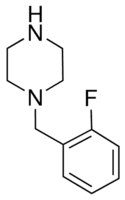
1-(2-Fluorobenzyl)piperazine
C11H15FN2
Chemical Synthesis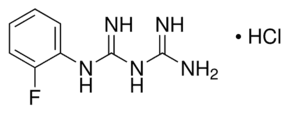
1-(2-Fluorophenyl)biguanide hydrochloride
Chemical Synthesis
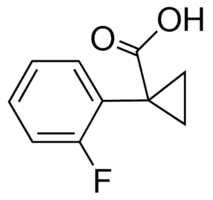
1-(2-Fluorophenyl)cyclopropanecarboxylic acid
C10H9FO2
Chemical Synthesis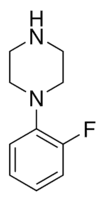
1-(2-Fluorophenyl)piperazine
C10H13FN2
Chemical Synthesis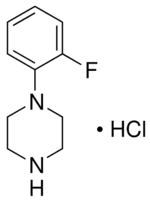
1-(2-Fluorophenyl)piperazine monohydrochloride
C10H13FN2 · HCl
Chemical Synthesis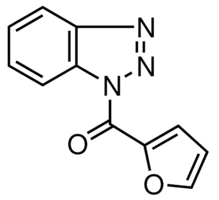
1-(2-Furoyl)-1H-benzotriazole
C11H7N3O2
Chemical Synthesis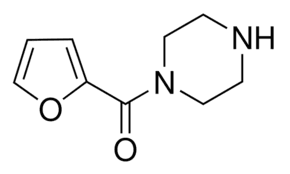
1-(2-Furoyl)piperazine
C9H12N2O2
Chemical Synthesis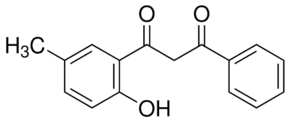
1-(2-Hydroxy-5-methylphenyl)-3-phenyl-1,3-propanedione
Chemical Synthesis