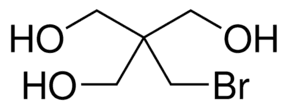
2-(Bromomethyl)-2-(hydroxymethyl)-1,3-propanediol
2-(Bromomethyl)-2-(hydroxymethyl)-1,3-propanediol (CAS: 19184-65-7) is a brominated polyol with a molecular weight of 199.04 g/mol. This compound serves as a valuable building block in organic synthesis, particularly in polymer science and materials development. Its unique structure, featuring both a reactive bromomethyl group and three hydroxyl functionalities, allows for diverse chemical modifications and cross-linking applications in the creation of advanced materials.
- Synonyms
- BrCH2C(CH2OH)3
Monomer for Polymer Synthesis
This compound can act as a monomer or co-monomer in the synthesis of various polymers. The hydroxyl groups allow for esterification or etherification, while the bromomethyl group enables further functionalization or cross-linking reactions.
Intermediate in Organic Synthesis
It is utilized as a key intermediate in the preparation of more complex organic molecules. The distinct reactivity of the bromomethyl and hydroxyl groups permits selective transformations for targeted synthesis.
Materials Science Research
The compound finds application in materials science for developing novel materials with specific properties, such as flame retardancy or modified surface characteristics, owing to its bromine content and polyol structure.
| Molecular weight | 199.04 |
|---|---|
| Linear formula | BrCH2C(CH2OH)3 |
| Assay | 99% |
| Melting point | 75-77 °C(lit.) |
| Protective equipment | Eyeshields, Gloves, type N95 (US), type P1 (EN143) respirator filter |
|---|---|
| Water hazard class (WGK, DE) | 3 |
Hazard information is provided for guidance. Always consult the product Safety Data Sheet (SDS), available on request, before handling.
Documentation
Every batch ships with a Certificate of Analysis covering assay, identity and purity; the grade is confirmed against your enquiry. Safety Data Sheets and technical data sheets are available on request.
Supply & logistics
Samples for technical evaluation; bulk MOQ by grade and packaging. In-stock material ships in 7–10 working days, worldwide, with full export documentation.
What is 2-(Bromomethyl)-2-(hydroxymethyl)-1,3-propanediol used for?
+
It is used as a monomer for polymer synthesis, an intermediate in organic synthesis, and in materials science research for developing novel materials.
What are the CAS number and chemical formula for this compound?
+
The CAS number is 19184-65-7 and the linear formula is BrCH2C(CH2OH)3.
What grade and purity does Tech Serve Solutions supply?
+
Tech Serve Solutions supplies this product with an assay of 99%. We do not represent this product as USP, BP, or EP grade.
What are the safety and handling precautions for this chemical?
+
It requires the use of eyeshields, gloves, and a type N95 (US) or type P1 (EN143) respirator filter. It is classified under WGK Germany 3, indicating a high hazard to water.
How is this chemical shipped and exported?
+
Tech Serve Solutions is a specialist global supplier and exporter of fine chemicals, handling all aspects of international shipping and export compliance for products like this.
How can I request a sample or quote for 2-(Bromomethyl)-2-(hydroxymethyl)-1,3-propanediol?
+
Please contact our sales team through the website to request a sample or a formal quotation for your specific requirements.
▶ Related products
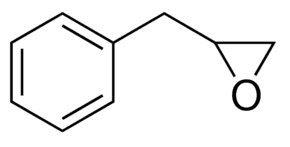
(2,3-Epoxypropyl)benzene
Polymer Science
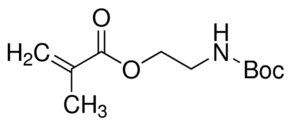
(2-Boc-amino)ethyl methacrylate
C11H19NO4
Polymer Science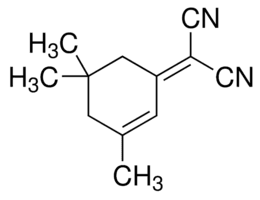
(3,5,5-Trimethylcyclohex-2-enylidene)malononitrile
Polymer Science
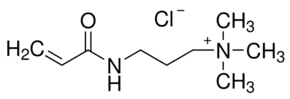
(3-Acrylamidopropyl)trimethylammonium chloride solution
Polymer Science
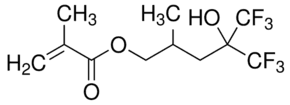
1,1,1-Trifluoro-2-(trifluoromethyl)-2-hydroxy-4-methyl-5-pentyl methacrylate
Polymer Science
1,1,1-Tris(4-hydroxyphenyl)ethane
Polymer Science
1,1-Cyclohexanediacetic acid
Polymer Science

1,12-Diisocyanatododecane
Polymer Science