
2,6-Quinolinediol
2,6-Quinolinediol (CAS: 19315-93-6), with the molecular formula C9H7NO2 and a molecular weight of 161.16, is a significant heterocyclic building block. It plays a crucial role as a reactant in the synthesis of various complex organic molecules. Its applications span the development of pharmaceutical intermediates, including those for PDE3 inhibitors and antagonists targeting VLA-4 / VCAM-1, making it valuable in medicinal chemistry research and development.
- IUPAC
- 2,6-Dihydroxyquinoline,6-Hydroxycarbostyril
- Synonyms
- 2,6-Dihydroxyquinoline6-Hydroxycarbostyril

Synthesis of PDE3 Inhibitor Precursors
2,6-Quinolinediol serves as a key intermediate in the synthesis of (benzyloxy)methylquinolinone derivatives. These compounds are investigated for their potential as phosphodiesterase 3 (PDE3) inhibitors, which are relevant in cardiovascular and antithrombotic therapies.
Development of Cilostazol-Related Compounds
This quinoline derivative is utilized in the synthetic pathways leading to substances structurally related to cilostazol. Cilostazol is known for its phosphodiesterase 3 inhibitory activity and is used to treat symptoms of intermittent claudication.
Preparation of VLA-4 / VCAM-1 Antagonists
The compound is employed in the creation of 2,6-quinolinyl derivatives. These molecules are explored for their potential as antagonists of very late antigen-4 (VLA-4) and vascular cell adhesion molecule-1 (VCAM-1), which are targets in inflammatory disease research.
| Molecular weight | 161.16 |
|---|---|
| Empirical formula | C9H7NO2 |
| Application | Reactant involved in synthesis of:• (Benzyloxy)methylquinolinone derivatives for use as PDE3 inhibitors1• Substances related to cilostazol2• 2,6-Quinolinyl derivatives for use as VLA-4 / VCAM-1 antagonists3 |
| Melting point | >300 °C(lit.) |

Hazard statements
- H315Causes skin irritation
- H319Causes serious eye irritation
- H335May cause respiratory irritation
Precautionary statements
- P261Avoid breathing dust, fume, gas or vapours
- P305IF IN EYES
| Protective equipment | dust mask type N95 (US), Eyeshields, Gloves |
|---|---|
| Water hazard class (WGK, DE) | 3 |
| Hazard codes (EU) | Xi |
| Risk statements (R) | 36/37/38 |
| Safety statements (S) | 26-36 |
Hazard information is provided for guidance. Always consult the product Safety Data Sheet (SDS), available on request, before handling.
Documentation
Every batch ships with a Certificate of Analysis covering assay, identity and purity; the grade is confirmed against your enquiry. Safety Data Sheets and technical data sheets are available on request.
Supply & logistics
Samples for technical evaluation; bulk MOQ by grade and packaging. In-stock material ships in 7–10 working days, worldwide, with full export documentation.
What is 2,6-Quinolinediol used for?
+
2,6-Quinolinediol is used as a reactant in the synthesis of various complex organic molecules, including (benzyloxy)methylquinolinone derivatives as PDE3 inhibitors, substances related to cilostazol, and 2,6-quinolinyl derivatives acting as VLA-4 / VCAM-1 antagonists.
What are the CAS number and formula for 2,6-Quinolinediol?
+
The CAS number for 2,6-Quinolinediol is 19315-93-6, and its molecular formula is C9H7NO2.
What grade and purity does Tech Serve Solutions supply?
+
Tech Serve Solutions supplies 2,6-Quinolinediol typically as a research or technical grade chemical. We do not represent this product as meeting USP, BP, or EP pharmacopoeial standards unless explicitly stated.
How should 2,6-Quinolinediol be handled?
+
2,6-Quinolinediol may cause skin irritation (H315), serious eye irritation (H319), and respiratory irritation (H335). Handle with appropriate personal protective equipment, including a dust mask (N95 type), eyeshields, and gloves. Ensure adequate ventilation.
Is 2,6-Quinolinediol a controlled substance?
+
The provided data does not indicate that 2,6-Quinolinediol is a controlled substance.
How is 2,6-Quinolinediol shipped and exported?
+
2,6-Quinolinediol is carefully packaged and can be shipped and exported globally by Tech Serve Solutions, adhering to all relevant regulations for chemical transport.
How can I request a sample or quote for 2,6-Quinolinediol?
+
To request a sample or a quote for 2,6-Quinolinediol, please use the contact form on our website or contact our sales department directly, providing your specific requirements and shipping details.
▶ Related products
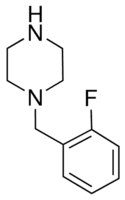
1-(2-Fluorobenzyl)piperazine
C11H15FN2
Chemical Synthesis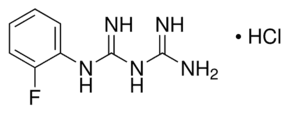
1-(2-Fluorophenyl)biguanide hydrochloride
Chemical Synthesis
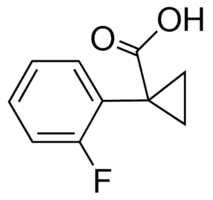
1-(2-Fluorophenyl)cyclopropanecarboxylic acid
C10H9FO2
Chemical Synthesis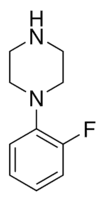
1-(2-Fluorophenyl)piperazine
C10H13FN2
Chemical Synthesis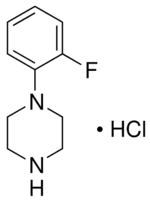
1-(2-Fluorophenyl)piperazine monohydrochloride
C10H13FN2 · HCl
Chemical Synthesis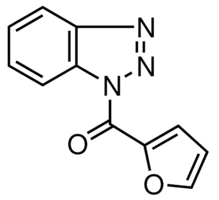
1-(2-Furoyl)-1H-benzotriazole
C11H7N3O2
Chemical Synthesis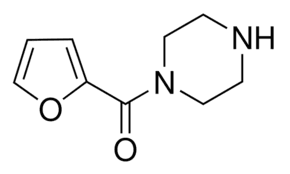
1-(2-Furoyl)piperazine
C9H12N2O2
Chemical Synthesis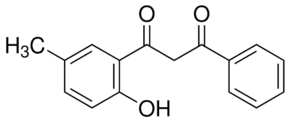
1-(2-Hydroxy-5-methylphenyl)-3-phenyl-1,3-propanedione
Chemical Synthesis
▶ Explore more

Bis(cyclopentadienyl)cobalt(III) hexafluorophosphate
C10H10CoF6P
Catalysis & Inorganic
1-(4-Chlorophenyl)biguanide hydrochloride
ClC6H4NHC(NH)NHC(NH)NH2 · HCl
Chemical Synthesis
Bis(cyclopentadienyl)dimethylzirconium(IV)
Catalysis & Inorganic

1-(4-Chlorophenyl)ethanol
ClC6H4CH(CH3)OH
Chemical Synthesis