
2,6-Dinitrotoluene
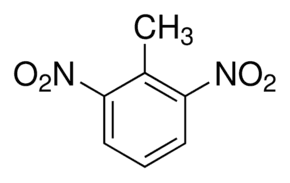
2,6-Dinitrotoluene (CAS: 606-20-2), with the linear formula CH₃C₆H₃(NO₂)₂, is an organic compound with a molecular weight of 182.13 g/mol. This nitro compound serves as a crucial intermediate in various chemical synthesis pathways. It is primarily utilised in the production of dyes and other organic chemicals, acting as a versatile building block in complex molecular structures.
- Synonyms
- 2,6-DNT2,6-Dinitromethylbenzene
Dye Intermediate
2,6-Dinitrotoluene is employed in the synthesis of specific azo dyes and other colouring agents. Its nitro functional groups can be modified to introduce chromophoric properties into larger molecules.
Organic Synthesis
As a readily available organic building block, it participates in various reactions for the construction of complex organic molecules. It is particularly useful for introducing dinitrophenyl moieties.
Chemical Reagent
It functions as a reagent in laboratory settings for research and development purposes, facilitating specific organic transformations.
| Molecular weight | 182.13 |
|---|---|
| Linear formula | CH3C6H3(NO2)2 |
| Assay | 98% |
| Melting point | 56-61 °C(lit.) |


Hazard statements
- H301Toxic if swallowed
- H311Toxic in contact with skin
- H331Toxic if inhaled
- H341Suspected of causing genetic defects
- H350May cause cancer
- H361F
- H373May cause damage to organs through prolonged exposure
- H412Harmful to aquatic life with long-lasting effects
Precautionary statements
- P201Obtain special instructions before use
- P261Avoid breathing dust, fume, gas or vapours
- P273Avoid release to the environment
- P280Wear protective gloves, clothing and eye/face protection
- P301IF SWALLOWED
- P311Call a POISON CENTER or doctor
| Protective equipment | Eyeshields, Faceshields, full-face particle respirator type N100 (US), Gloves, respirator cartridge type N100 (US), type P1 (EN143) respirator filter, type P3 (EN 143) respirator cartridges |
|---|---|
| Flash point | 206 °C / 402.8 °F |
| Transport (UN / ADR) | UN 3454 6.1 / PGII |
| Water hazard class (WGK, DE) | 3 |
| Hazard codes (EU) | T |
| Risk statements (R) | 45-23/24/25-48/22-52/53-62-68 |
| Safety statements (S) | 53-45-61 |
Hazard information is provided for guidance. Always consult the product Safety Data Sheet (SDS), available on request, before handling.
Documentation
Every batch ships with a Certificate of Analysis covering assay, identity and purity; the grade is confirmed against your enquiry. Safety Data Sheets and technical data sheets are available on request.
Supply & logistics
Samples for technical evaluation; bulk MOQ by grade and packaging. In-stock material ships in 7–10 working days, worldwide, with full export documentation.
What is 2,6-Dinitrotoluene used for?
+
2,6-Dinitrotoluene (CAS 606-20-2) is primarily used as an intermediate in the synthesis of dyes and other organic chemicals. It also serves as a building block in organic synthesis and as a laboratory reagent.
What are the CAS number and formula for 2,6-Dinitrotoluene?
+
The CAS number for 2,6-Dinitrotoluene is 606-20-2, and its linear formula is CH₃C₆H₃(NO₂)₂.
What grade and purity does Tech Serve Solutions supply for 2,6-Dinitrotoluene?
+
Tech Serve Solutions supplies 2,6-Dinitrotoluene with an assay of 98%. This product is supplied for laboratory and industrial use, and is not represented as USP, BP, EP, or other pharmacopoeia grades.
How should 2,6-Dinitrotoluene be handled safely?
+
2,6-Dinitrotoluene is a hazardous substance, indicated by GHS06 and GHS08 symbols with the signal word 'Danger'. It carries hazard statements including H301, H311, H331 (Toxic if swallowed, in contact with skin, or if inhaled), H341 (Suspected of causing genetic defects), H350 (May cause cancer), H361f (Suspected of damaging fertility), H373 (May cause damage to organs through prolonged or repeated exposure), and H412 (Harmful to aquatic life with long lasting effects). Appropriate personal protective equipment, including eyeshields, faceshields, full-face respirators, gloves, and specific cartridge types, must be used. Ensure adequate ventilation and consult the safety data sheet before handling.
Is 2,6-Dinitrotoluene a controlled substance?
+
The provided data does not indicate that 2,6-Dinitrotoluene is a controlled substance. However, users should always verify local regulations.
How is 2,6-Dinitrotoluene packed and exported?
+
2,6-Dinitrotoluene is classified under UN 3454, Class 6.1, Packing Group II for transport. Tech Serve Solutions is experienced in global export and can provide details on specific packaging and shipping based on your requirements and destination regulations.
How can I request a quote or sample of 2,6-Dinitrotoluene?
+
To request a quote or a sample of 2,6-Dinitrotoluene, please contact our sales team through the website or by phone. Please specify the quantity and your delivery location.
▶ Related products
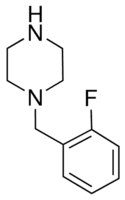
1-(2-Fluorobenzyl)piperazine
C11H15FN2
Chemical Synthesis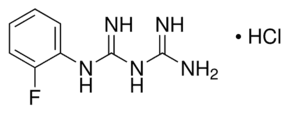
1-(2-Fluorophenyl)biguanide hydrochloride
Chemical Synthesis
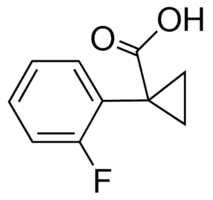
1-(2-Fluorophenyl)cyclopropanecarboxylic acid
C10H9FO2
Chemical Synthesis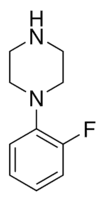
1-(2-Fluorophenyl)piperazine
C10H13FN2
Chemical Synthesis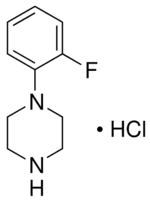
1-(2-Fluorophenyl)piperazine monohydrochloride
C10H13FN2 · HCl
Chemical Synthesis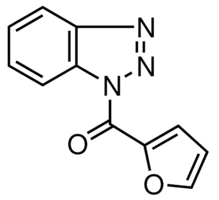
1-(2-Furoyl)-1H-benzotriazole
C11H7N3O2
Chemical Synthesis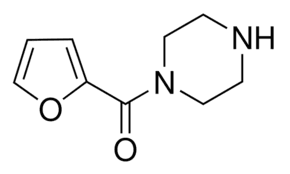
1-(2-Furoyl)piperazine
C9H12N2O2
Chemical Synthesis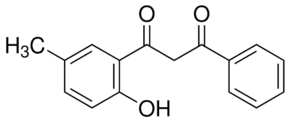
1-(2-Hydroxy-5-methylphenyl)-3-phenyl-1,3-propanedione
Chemical Synthesis
▶ Explore more

Bis(cyclopentadienyl)cobalt(III) hexafluorophosphate
C10H10CoF6P
Catalysis & Inorganic
1-(4-Chlorophenyl)biguanide hydrochloride
ClC6H4NHC(NH)NHC(NH)NH2 · HCl
Chemical Synthesis
Bis(cyclopentadienyl)dimethylzirconium(IV)
Catalysis & Inorganic

1-(4-Chlorophenyl)ethanol
ClC6H4CH(CH3)OH
Chemical Synthesis