
2,6-Dimethylaniline
2,6-Dimethylaniline (CAS 87-62-7), also known as 2,6-Xylidine, is an aromatic amine with the molecular formula C8H11N and a molar mass of 121.18 g/mol. This colourless to pale yellow liquid serves as a crucial building block in organic synthesis. Its primary applications lie in the production of pharmaceuticals, agrochemicals, and dyes, leveraging its unique structure for creating complex molecules.
- IUPAC
- 2,6-Xylidine,2-Amino-1,3-dimethylbenzene,2-Amino-m-xylene
- Synonyms
- 2,6-Xylidine2-Amino-1,3-dimethylbenzene2-Amino-m-xylene

Pharmaceutical Intermediate
2,6-Dimethylaniline is a key intermediate in the synthesis of various active pharmaceutical ingredients. It is particularly utilised in the development of local anaesthetics and antiarrhythmic drugs, contributing essential structural elements to their molecular frameworks.
Agrochemical Synthesis
This compound serves as a precursor in the manufacturing of certain herbicides and pesticides. Its chemical properties facilitate the creation of agrochemicals designed for crop protection and yield enhancement.
Dye and Pigment Production
The chemical structure of 2,6-Dimethylaniline makes it valuable in the synthesis of specific dyes and pigments. It contributes to the colouristic properties and stability of the final colourant products.
Organic Synthesis Building Block
As a versatile building block, 2,6-Dimethylaniline is employed in a wide array of organic synthesis pathways. Researchers and industrial chemists utilise it for constructing complex organic molecules and developing novel compounds.
| Molecular weight | 121.18 |
|---|---|
| Linear formula | (CH3)2C6H3NH2 |
| Assay | 99% |
| Boiling point | 214 °C/739 mmHg(lit.) |
| Density | 0.984 g/mL at 25 °C(lit.) |
| Refractive index | n20/D 1.560(lit.) |
| Vapour pressure | <0.01 mmHg (20 °C) |
| Melting point | 10-12 °C(lit.) |


Hazard statements
- H302Harmful if swallowed
- H315Causes skin irritation
- H335May cause respiratory irritation
- H351Suspected of causing cancer
- H411Toxic to aquatic life with long-lasting effects
Precautionary statements
- P261Avoid breathing dust, fume, gas or vapours
- P273Avoid release to the environment
- P280Wear protective gloves, clothing and eye/face protection
| Protective equipment | Eyeshields, Faceshields, full-face respirator (US), Gloves, multi-purpose combination respirator cartridge (US), type ABEK (EN14387) respirator filter |
|---|---|
| Flash point | 91 °C / 195.8 °F |
| Transport (UN / ADR) | UN 1711 6.1 / PGII |
| Water hazard class (WGK, DE) | 2 |
| Hazard codes (EU) | Xn,N |
| Risk statements (R) | 20/21/22-37/38-40-51/53 |
| Safety statements (S) | 23-25-36/37-61 |
Hazard information is provided for guidance. Always consult the product Safety Data Sheet (SDS), available on request, before handling.
Documentation
Every batch ships with a Certificate of Analysis covering assay, identity and purity; the grade is confirmed against your enquiry. Safety Data Sheets and technical data sheets are available on request.
Supply & logistics
Samples for technical evaluation; bulk MOQ by grade and packaging. In-stock material ships in 7–10 working days, worldwide, with full export documentation.
What is 2,6-Dimethylaniline used for?
+
2,6-Dimethylaniline is primarily used as a building block in organic synthesis, particularly for the production of pharmaceuticals (e.g., local anaesthetics), agrochemicals, and dyes.
What is the CAS number and chemical formula for 2,6-Dimethylaniline?
+
The CAS number for 2,6-Dimethylaniline is 87-62-7, and its linear formula is (CH3)2C6H3NH2.
What grade and purity does Tech Serve Solutions supply for 2,6-Dimethylaniline?
+
Tech Serve Solutions supplies 2,6-Dimethylaniline with a minimum purity of 99%. This product is supplied for research and development or industrial use, and is not represented as USP, BP, or EP grade.
What are the main safety hazards associated with 2,6-Dimethylaniline?
+
2,6-Dimethylaniline is harmful if swallowed, in contact with skin, or if inhaled (H302 + H312 + H332). It also causes skin irritation (H315) and may cause respiratory irritation (H335). Furthermore, it is suspected of causing cancer (H351) and is toxic to aquatic life with long-lasting effects (H411). Appropriate personal protective equipment, including eyeshields, gloves, and respiratory protection, must be used when handling.
How is 2,6-Dimethylaniline packed and shipped by Tech Serve Solutions?
+
2,6-Dimethylaniline is exported by Tech Serve Solutions in UN 1711 6.1 / PGII compliant packaging, adhering to international shipping regulations for hazardous materials.
How can I request a quote or sample for 2,6-Dimethylaniline?
+
To request a quote or a sample of 2,6-Dimethylaniline, please contact our sales team through the website or by calling our office.
▶ Related products
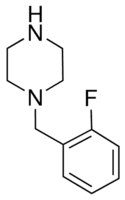
1-(2-Fluorobenzyl)piperazine
C11H15FN2
Chemical Synthesis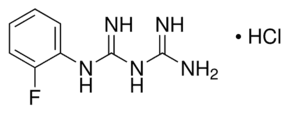
1-(2-Fluorophenyl)biguanide hydrochloride
Chemical Synthesis
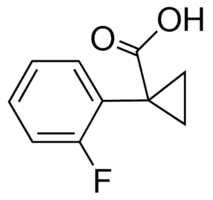
1-(2-Fluorophenyl)cyclopropanecarboxylic acid
C10H9FO2
Chemical Synthesis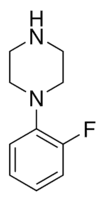
1-(2-Fluorophenyl)piperazine
C10H13FN2
Chemical Synthesis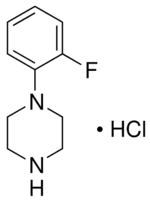
1-(2-Fluorophenyl)piperazine monohydrochloride
C10H13FN2 · HCl
Chemical Synthesis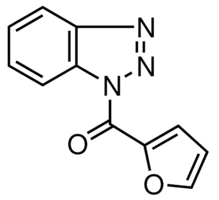
1-(2-Furoyl)-1H-benzotriazole
C11H7N3O2
Chemical Synthesis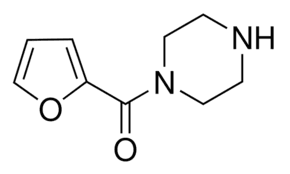
1-(2-Furoyl)piperazine
C9H12N2O2
Chemical Synthesis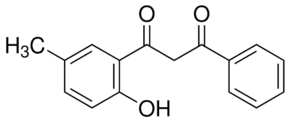
1-(2-Hydroxy-5-methylphenyl)-3-phenyl-1,3-propanedione
Chemical Synthesis
▶ Explore more

Bis(cyclopentadienyl)cobalt(III) hexafluorophosphate
C10H10CoF6P
Catalysis & Inorganic
1-(4-Chlorophenyl)biguanide hydrochloride
ClC6H4NHC(NH)NHC(NH)NH2 · HCl
Chemical Synthesis
Bis(cyclopentadienyl)dimethylzirconium(IV)
Catalysis & Inorganic

1-(4-Chlorophenyl)ethanol
ClC6H4CH(CH3)OH
Chemical Synthesis