
2,6-Diisopropylphenylboronic acid
2,6-Diisopropylphenylboronic acid (CAS 363166-79-4) is a valuable aryl boronic acid derivative with the molecular formula C12H19BO2 and a molecular weight of 206.09 g/mol. It serves as a key reactant in complex organic synthesis, notably in the development of selective enzyme inhibitors and advanced catalytic systems for polymerisation. This compound is essential for researchers and manufacturers engaged in pharmaceutical intermediate synthesis and materials science.
- Synonyms
- C12H19BO2
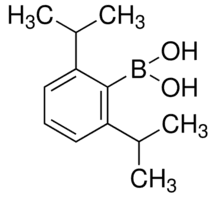
Synthesis of Enzyme Inhibitors
2,6-Diisopropylphenylboronic acid is utilised as a reactant in the synthesis of selective inhibitors targeting enzymes such as dihydrofolate reductase, particularly in the context of developing treatments for parasitic infections.
Catalyst Development
This boronic acid derivative is employed in the creation of novel boro aluminoxane compounds. These compounds demonstrate efficacy in activating zirconocene-based catalysts for ethene polymerisation processes.
Organic Synthesis Reagent
As a disubstituted aryl boronic acid, it functions as a versatile building block in various organic transformations, facilitating the construction of complex molecular architectures for diverse chemical research applications.
| Molecular weight | 206.09 |
|---|---|
| Empirical formula | C12H19BO2 |
| Application | Reactant for:• Synthesis of selective inhibitors of dihydrofolate reductase from Cryptosporidium1• Synthesis of a boro aluminoxane capable of activating a zirconocene ethene polymerization catalyst2 |
| Melting point | 167-172 °C |
Documentation
Every batch ships with a Certificate of Analysis covering assay, identity and purity; the grade is confirmed against your enquiry. Safety Data Sheets and technical data sheets are available on request.
Supply & logistics
Samples for technical evaluation; bulk MOQ by grade and packaging. In-stock material ships in 7–10 working days, worldwide, with full export documentation.
What is 2,6-Diisopropylphenylboronic acid used for?
+
2,6-Diisopropylphenylboronic acid is used as a reactant in organic synthesis, including the preparation of selective enzyme inhibitors and the synthesis of boro aluminoxanes for catalyst activation in polymerisation.
What are the CAS number and molecular formula?
+
The CAS number for 2,6-Diisopropylphenylboronic acid is 363166-79-4 and its molecular formula is C12H19BO2.
What grade and purity does Tech Serve Solutions supply?
+
Tech Serve Solutions supplies 2,6-Diisopropylphenylboronic acid as a research or technical grade chemical. We do not represent it as meeting USP, BP, or EP pharmacopoeia standards.
How should 2,6-Diisopropylphenylboronic acid be handled?
+
Information regarding specific hazards and safe handling procedures for 2,6-Diisopropylphenylboronic acid should be obtained from the Safety Data Sheet (SDS). Users must follow standard laboratory safety protocols and wear appropriate personal protective equipment.
Can TSS export 2,6-Diisopropylphenylboronic acid?
+
Yes, Tech Serve Solutions is a specialist global supplier and exporter of fine chemicals, including 2,6-Diisopropylphenylboronic acid, to researchers and manufacturers worldwide.
How can I request a quote or sample?
+
To request a quote or a sample of 2,6-Diisopropylphenylboronic acid, please contact our sales team through the TSS website or by telephone.
▶ Related products
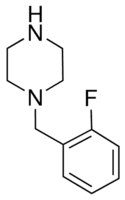
1-(2-Fluorobenzyl)piperazine
C11H15FN2
Chemical Synthesis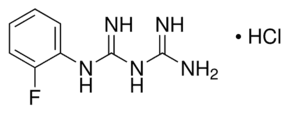
1-(2-Fluorophenyl)biguanide hydrochloride
Chemical Synthesis
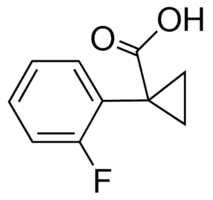
1-(2-Fluorophenyl)cyclopropanecarboxylic acid
C10H9FO2
Chemical Synthesis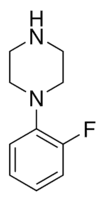
1-(2-Fluorophenyl)piperazine
C10H13FN2
Chemical Synthesis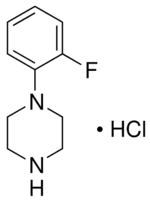
1-(2-Fluorophenyl)piperazine monohydrochloride
C10H13FN2 · HCl
Chemical Synthesis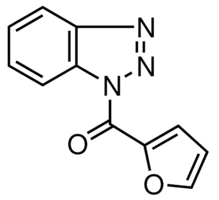
1-(2-Furoyl)-1H-benzotriazole
C11H7N3O2
Chemical Synthesis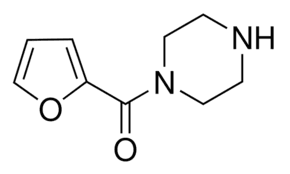
1-(2-Furoyl)piperazine
C9H12N2O2
Chemical Synthesis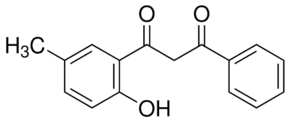
1-(2-Hydroxy-5-methylphenyl)-3-phenyl-1,3-propanedione
Chemical Synthesis
▶ Explore more

Bis(cyclopentadienyl)cobalt(III) hexafluorophosphate
C10H10CoF6P
Catalysis & Inorganic
1-(4-Chlorophenyl)biguanide hydrochloride
ClC6H4NHC(NH)NHC(NH)NH2 · HCl
Chemical Synthesis
Bis(cyclopentadienyl)dimethylzirconium(IV)
Catalysis & Inorganic

1-(4-Chlorophenyl)ethanol
ClC6H4CH(CH3)OH
Chemical Synthesis