2,6-Diisopropylphenol
2,6-Diisopropylphenol (CAS: 2078-54-8), with the linear formula [(CH3)2CH]2C6H3OH and a molecular weight of 178.27 g/mol, is a substituted phenol. This organic compound is primarily recognised for its role as a key intermediate in chemical synthesis and its utility in various research applications, particularly within cell biology studies. Its specific structural characteristics make it a valuable building block in organic chemistry.
- IUPAC
- 2,6-Bis(isopropyl)phenol,Propofol
- Synonyms
- 2,6-Bis(isopropyl)phenolPropofol
![2,6-Diisopropylphenol ([(CH3)2CH]2C6H3OH) — chemical structure, CAS 2078-54-8; Chemistry, fine chemical supplied by Tech Serve Solutions](/_next/image?url=https%3A%2F%2Fpub-f4d920c906024441a773a96f7098e551.r2.dev%2Fimages%2Fproducts%2F2078-54-8.png&w=3840&q=75)
Chemical Synthesis Intermediate
2,6-Diisopropylphenol serves as a crucial building block in the synthesis of more complex organic molecules. Its phenolic hydroxyl group and bulky isopropyl substituents allow for targeted reactions in the development of novel compounds.
Research and Development
Utilised in laboratory settings for R&D purposes, this compound is employed in studies related to cell biology and organic chemistry. Its defined structure aids researchers in understanding reaction mechanisms and molecular interactions.
Organic Building Block
As an organic building block, it is integral for constructing specific carbon frameworks. The compound's properties are leveraged in the design and synthesis of various chemical entities.
| Molecular weight | 178.27 |
|---|---|
| Linear formula | [(CH3)2CH]2C6H3OH |
| Assay | 97% |
| Boiling point | 256 °C/764 mmHg(lit.) |
| Density | 0.962 g/mL at 25 °C(lit.) |
| Refractive index | n20/D 1.514(lit.) |
| Vapour pressure | 5.6 mmHg (100 °C) |
| Melting point | 18 °C(lit.) |

Hazard statements
- H302Harmful if swallowed
- H315Causes skin irritation
- H319Causes serious eye irritation
- H335May cause respiratory irritation
Precautionary statements
- P261Avoid breathing dust, fume, gas or vapours
- P305IF IN EYES
| Protective equipment | Eyeshields, Faceshields, full-face respirator (US), Gloves, multi-purpose combination respirator cartridge (US), type ABEK (EN14387) respirator filter |
|---|---|
| Flash point | 113 °C / 235.4 °F |
| Water hazard class (WGK, DE) | 3 |
| Hazard codes (EU) | Xn |
| Risk statements (R) | 22-36/37/38 |
| Safety statements (S) | 26-36/37/39 |
Hazard information is provided for guidance. Always consult the product Safety Data Sheet (SDS), available on request, before handling.
| Gene Information | human ... CYP1A2(1544), GABRA1(2554)rat ... Gabra2(29706) |
|---|
Documentation
Every batch ships with a Certificate of Analysis covering assay, identity and purity; the grade is confirmed against your enquiry. Safety Data Sheets and technical data sheets are available on request.
Supply & logistics
Samples for technical evaluation; bulk MOQ by grade and packaging. In-stock material ships in 7–10 working days, worldwide, with full export documentation.
What is 2,6-Diisopropylphenol used for?
+
2,6-Diisopropylphenol is primarily used as an intermediate in chemical synthesis and for research applications, particularly in cell biology and organic chemistry.
What is the CAS number and formula for 2,6-Diisopropylphenol?
+
The CAS number for 2,6-Diisopropylphenol is 2078-54-8, and its linear formula is [(CH3)2CH]2C6H3OH.
What grade and purity does Tech Serve Solutions supply for 2,6-Diisopropylphenol?
+
Tech Serve Solutions supplies 2,6-Diisopropylphenol with an assay of 97%. We do not represent this product as USP, BP, or EP grade.
What are the main safety hazards associated with 2,6-Diisopropylphenol?
+
2,6-Diisopropylphenol is classified as harmful if swallowed (H302), causes skin irritation (H315), causes serious eye irritation (H319), and may cause respiratory irritation (H335). Appropriate personal protective equipment, including eye protection, gloves, and respiratory protection, should be used during handling.
How is 2,6-Diisopropylphenol packed, shipped, and exported?
+
2,6-Diisopropylphenol is carefully packed to ensure safe transit and is available for global export. Specific packaging details can be provided upon request.
How can I request a sample or a quote for 2,6-Diisopropylphenol?
+
To request a sample or a quote for 2,6-Diisopropylphenol, please contact our sales department through the website or by phone.
▶ Related products
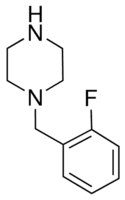
1-(2-Fluorobenzyl)piperazine
C11H15FN2
Chemical Synthesis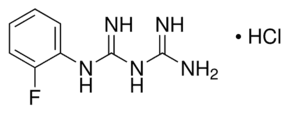
1-(2-Fluorophenyl)biguanide hydrochloride
Chemical Synthesis
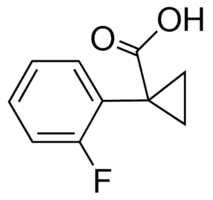
1-(2-Fluorophenyl)cyclopropanecarboxylic acid
C10H9FO2
Chemical Synthesis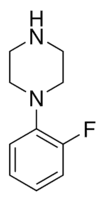
1-(2-Fluorophenyl)piperazine
C10H13FN2
Chemical Synthesis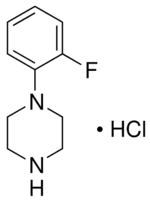
1-(2-Fluorophenyl)piperazine monohydrochloride
C10H13FN2 · HCl
Chemical Synthesis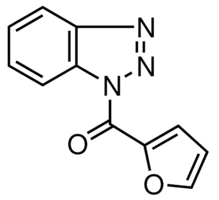
1-(2-Furoyl)-1H-benzotriazole
C11H7N3O2
Chemical Synthesis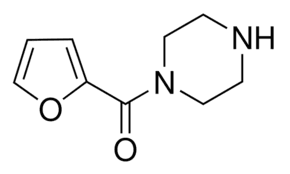
1-(2-Furoyl)piperazine
C9H12N2O2
Chemical Synthesis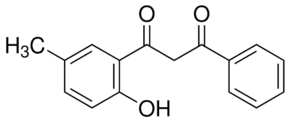
1-(2-Hydroxy-5-methylphenyl)-3-phenyl-1,3-propanedione
Chemical Synthesis