2,5-Dibromo-3,4-ethylenedioxythiophene
2,5-Dibromo-3,4-ethylenedioxythiophene (CAS: 174508-31-7) is a brominated thiophene derivative with a molecular weight of 299.97 g/mol. This compound serves as a key monomer in the synthesis of poly(3,4-ethylenedioxythiophene) (PEDOT) and related conductive polymers. These advanced materials find applications in various electronic and electrochromic devices, showcasing its importance in materials science and organic electronics research.
- IUPAC
- 5,7-Dibromo-2,3-dihydrothieno[3,4-b][1,4]dioxine
- Synonyms
- 174508-31-7C6H4Br2O2S5,7-Dibromo-2,3-dihydrothieno[3,4-b][1,4]dioxine

Synthesis of Conductive Polymers
This compound is a vital monomer for creating poly(3,4-ethylenedioxythiophene) (PEDOT). PEDOT and its derivatives are well-known for their excellent electrical conductivity and processability, making them suitable for advanced electronic applications.
Electrochromic Devices
The polymerised form of this monomer, PEDOT, is extensively used in electrochromic devices. These devices change colour when a voltage is applied, finding use in smart windows, displays, and sensors.
Organic and Printed Electronics
As a building block for organic semiconductors, 2,5-Dibromo-3,4-ethylenedioxythiophene is instrumental in the development of components for organic electronics, including organic light-emitting diodes (OLEDs) and organic photovoltaic cells (OPVs).
| Molecular weight | 299.97 |
|---|---|
| Empirical formula | C6H4Br2O2S |
| Assay | 97% |
| Storage temperature | −20°C |
| Application | Used as a monomer in the synthesis of poly(3,4-ethylenedioxythiophene) (PEDOT) polymer which are used in electrochromic devices.1 |
| Melting point | 95-100 °C |

Hazard statements
- H302Harmful if swallowed
| Water hazard class (WGK, DE) | 3 |
|---|---|
| Hazard codes (EU) | Xn |
| Risk statements (R) | 22 |
Hazard information is provided for guidance. Always consult the product Safety Data Sheet (SDS), available on request, before handling.
Documentation
Every batch ships with a Certificate of Analysis covering assay, identity and purity; the grade is confirmed against your enquiry. Safety Data Sheets and technical data sheets are available on request.
Supply & logistics
Samples for technical evaluation; bulk MOQ by grade and packaging. In-stock material ships in 7–10 working days, worldwide, with full export documentation.
What is 2,5-Dibromo-3,4-ethylenedioxythiophene used for?
+
It is primarily used as a monomer in the synthesis of poly(3,4-ethylenedioxythiophene) (PEDOT), a conductive polymer applied in electrochromic devices and organic electronics.
What are the CAS number and formula for 2,5-Dibromo-3,4-ethylenedioxythiophene?
+
The CAS number is 174508-31-7 and the empirical formula is C6H4Br2O2S.
What grade and purity does Tech Serve Solutions supply?
+
Tech Serve Solutions supplies this chemical at a minimum purity of 97%. We do not represent this product as meeting USP, BP, EP, or any other pharmacopoeia standards; it is supplied for research and industrial use.
How should 2,5-Dibromo-3,4-ethylenedioxythiophene be handled?
+
This compound is classified as harmful if swallowed (H302). It is recommended to handle it with appropriate personal protective equipment in a well-ventilated area, avoiding ingestion, inhalation, and contact with skin and eyes.
How is this chemical packed, shipped, and exported?
+
Tech Serve Solutions is experienced in the export of fine chemicals and ensures products are appropriately packaged according to international shipping regulations. Please contact us for specific details regarding your region.
How can I request a sample or quote?
+
To request a sample or obtain a quote for 2,5-Dibromo-3,4-ethylenedioxythiophene, please use the contact form on our website or contact our sales team directly with your requirements.
▶ Related products
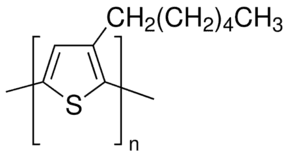
Poly(3-hexylthiophene-2,5-diyl)
Organic & Printed Electronics
![[6,6]-Phenyl C71 butyric acid methyl ester, mixture of isomers — chemical structure, CAS 609771-63-3; Organic & Printed Electronics, fine chemical supplied by Tech Serve Solutions](/_next/image?url=https%3A%2F%2Fpub-f4d920c906024441a773a96f7098e551.r2.dev%2Fimages%2Fproducts%2F609771-63-3.png&w=3840&q=75)
[6,6]-Phenyl C71 butyric acid methyl ester, mixture of isomers
Organic & Printed Electronics
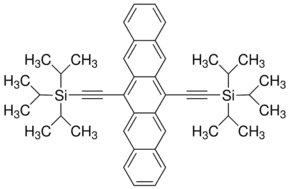
6,13-Bis(triisopropylsilylethynyl)pentacene
Organic & Printed Electronics
![[6,6]-Phenyl C61 butyric acid methyl ester — chemical structure, CAS 160848-22-6; Organic & Printed Electronics, fine chemical supplied by Tech Serve Solutions](/_next/image?url=https%3A%2F%2Fpub-f4d920c906024441a773a96f7098e551.r2.dev%2Fimages%2Fproducts%2F160848-22-6.png&w=3840&q=75)
[6,6]-Phenyl C61 butyric acid methyl ester
Organic & Printed Electronics
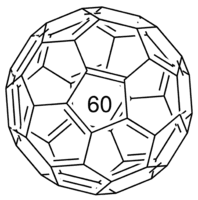
Fullerene-C60
C60
Organic & Printed Electronics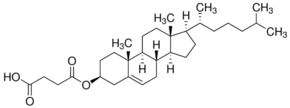
Cholesteryl hemisuccinate
C31H50O4
Organic & Printed Electronics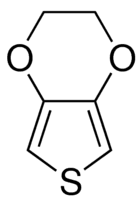
3,4-Ethylenedioxythiophene
Organic & Printed Electronics
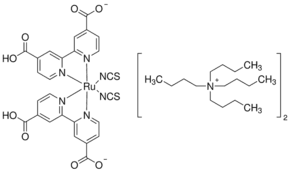
Di-tetrabutylammonium cis-bis(isothiocyanato)bis(2,2′-bipyridyl-4,4′-dicarboxylato)ruthenium(II)
Organic & Printed Electronics