
2,4,6-Trihydroxybenzaldehyde
2,4,6-Trihydroxybenzaldehyde (CAS 487-70-7) is a chemical compound with the molecular formula (HO)₃C₆H₂CHO and a molecular weight of 154.12 g/mol. This phloroglucinaldehyde derivative serves as a valuable intermediate in organic synthesis, primarily utilised as a reactant in the development of various biologically active molecules. Its applications span the creation of potential protein glycation inhibitors, haemolytic compounds, and agents for hydrolysing organophosphorus nerve agents, among others.
- IUPAC
- Formylphloroglucinol,NSC 38610,Phloroglucinaldehyde,Phloroglucinolcarboxaldehyde
- Synonyms
- 487-70-7(HO)3C6H2CHOFormylphloroglucinolNSC 38610PhloroglucinaldehydePhloroglucinolcarboxaldehyde

Synthesis of Bioactive Molecules
Utilised as a key reactant in the synthesis of diverse biologically active compounds. This includes the preparation of 2,4,6-trichlorophenyl hydrazones investigated for protein glycation inhibition.
Development of Therapeutic Agents
Involved in the creation of derivatives with potential therapeutic applications. For instance, esculentoside A derivatives have been explored for haemolytic activity and inhibition of nitric oxide production in LPS-induced models.
Chemical Defence Research
Serves as an α-nucleophile in research focused on the hydrolysis of organophosphorus nerve agents, contributing to the field of chemical defence.
Anticancer Research Intermediate
Used in the synthesis of methylated epigallocatechin gallate libraries, which are then studied for their potential anticancer activities.
| Molecular weight | 154.12 |
|---|---|
| Linear formula | (HO)3C6H2CHO |
| Assay | ≥97% |
| Application | Reactant involved in the synthesis of biologically active molecules including:• 2,4,6-trichlorophenyl hydrazones with potential inhibition of protein glycation1• Esculentoside A derivatives with haemolytic activity and LPS-induced nitric oxide production inhibition2• α-Nucleophiles for hydrolysis of organophosphorus nerve agents3• Xanthine oxidase inhibitors4• Non-complexes Schiff base hydrazones5• Methylated (±)-epigallocatechin gallate library for anticancer activity studies6 |
| Melting point | 195 °C (dec.)(lit.) |

Hazard statements
- H315Causes skin irritation
- H319Causes serious eye irritation
- H335May cause respiratory irritation
Precautionary statements
- P261Avoid breathing dust, fume, gas or vapours
- P305IF IN EYES
| Protective equipment | dust mask type N95 (US), Eyeshields, Gloves |
|---|---|
| Water hazard class (WGK, DE) | 2 |
| Hazard codes (EU) | Xi |
| Risk statements (R) | 36/37/38 |
| Safety statements (S) | 26-36 |
Hazard information is provided for guidance. Always consult the product Safety Data Sheet (SDS), available on request, before handling.
Documentation
Every batch ships with a Certificate of Analysis covering assay, identity and purity; the grade is confirmed against your enquiry. Safety Data Sheets and technical data sheets are available on request.
Supply & logistics
Samples for technical evaluation; bulk MOQ by grade and packaging. In-stock material ships in 7–10 working days, worldwide, with full export documentation.
What is 2,4,6-Trihydroxybenzaldehyde used for?
+
2,4,6-Trihydroxybenzaldehyde is used as a reactant in the synthesis of various biologically active molecules, including potential protein glycation inhibitors, esculentoside A derivatives, agents for hydrolysing organophosphorus nerve agents, xanthine oxidase inhibitors, and in anticancer research.
What are the CAS number and formula for 2,4,6-Trihydroxybenzaldehyde?
+
The CAS number for 2,4,6-Trihydroxybenzaldehyde is 487-70-7, and its linear formula is (HO)₃C₆H₂CHO.
What grade and purity does Tech Serve Solutions supply?
+
Tech Serve Solutions supplies 2,4,6-Trihydroxybenzaldehyde with an assay of ≥97%. This is a technical or research grade material, and TSS does not represent it as USP, BP, EP, or any other pharmacopoeia grade.
What are the safety and handling considerations for 2,4,6-Trihydroxybenzaldehyde?
+
2,4,6-Trihydroxybenzaldehyde is a Warning substance classified with H315 (causes skin irritation), H319 (causes serious eye irritation), and H335 (may cause respiratory irritation). Appropriate personal protective equipment, including a dust mask (N95), eyeshields, and gloves, should be used. Handle in a well-ventilated area and avoid dust formation.
How is this chemical packed, shipped, and exported?
+
2,4,6-Trihydroxybenzaldehyde is carefully packed to maintain its integrity during transit. As a global supplier, Tech Serve Solutions exports chemicals worldwide, adhering to all relevant shipping and customs regulations.
How can I request a quote or sample of 2,4,6-Trihydroxybenzaldehyde?
+
To request a quote or a sample of 2,4,6-Trihydroxybenzaldehyde, please contact our sales team through the website or by phone. Provide your details and the quantity required.
▶ Related products
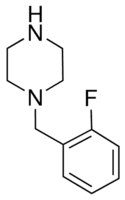
1-(2-Fluorobenzyl)piperazine
C11H15FN2
Chemical Synthesis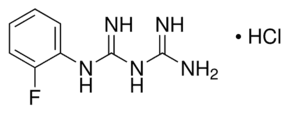
1-(2-Fluorophenyl)biguanide hydrochloride
Chemical Synthesis

1-(2-Fluorophenyl)cyclopropanecarboxylic acid
C10H9FO2
Chemical Synthesis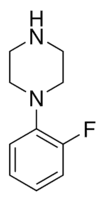
1-(2-Fluorophenyl)piperazine
C10H13FN2
Chemical Synthesis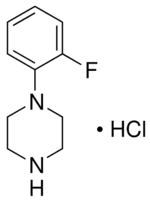
1-(2-Fluorophenyl)piperazine monohydrochloride
C10H13FN2 · HCl
Chemical Synthesis
1-(2-Furoyl)-1H-benzotriazole
C11H7N3O2
Chemical Synthesis
1-(2-Furoyl)piperazine
C9H12N2O2
Chemical Synthesis
1-(2-Hydroxy-5-methylphenyl)-3-phenyl-1,3-propanedione
Chemical Synthesis
▶ Explore more

Bis(cyclopentadienyl)cobalt(III) hexafluorophosphate
C10H10CoF6P
Catalysis & Inorganic
1-(4-Chlorophenyl)biguanide hydrochloride
ClC6H4NHC(NH)NHC(NH)NH2 · HCl
Chemical Synthesis
Bis(cyclopentadienyl)dimethylzirconium(IV)
Catalysis & Inorganic

1-(4-Chlorophenyl)ethanol
ClC6H4CH(CH3)OH
Chemical Synthesis