
2,3-Dinitrotoluene
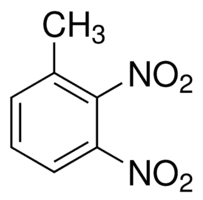
2,3-Dinitrotoluene (CAS: 602-01-7) is a nitro compound with the molecular formula CH3C6H3(NO2)2 and a molecular weight of 182.13 g/mol. This organic building block is primarily utilised in chemical synthesis and research applications. Its properties lend themselves to use as an internal standard in analytical methods and in studies of microbial responses to nitroaromatic compounds. Tech Serve Solutions supplies this chemical with an assay of 99%.
- Synonyms
- CH3C6H3(NO2)2
Analytical Standard
Utilised as an internal standard in solid-phase microextraction methods for the precise analysis of nitroaromatic explosives found in water samples. This application ensures accurate quantification and identification in environmental and forensic analyses.
Microbiological Research
Employed in drop assays to investigate chemotactic responses of specific bacterial strains, such as Burkholderia cepacia R34 and Burkholderia sp. strain DNT, towards nitroaromatic compounds. It aids in understanding microbial interactions with these substances.
Chemical Synthesis Intermediate
Serves as a valuable building block in organic synthesis, enabling the construction of more complex molecules within research and development laboratories. Its dinitroaromatic structure is key for various synthetic pathways.
| Molecular weight | 182.13 |
|---|---|
| Linear formula | CH3C6H3(NO2)2 |
| Assay | 99% |
| Application | 2,3-Dinitrotoluene was used as internal standard in solid-phase microextraction method for the analysis of nitroaromatic explosives in water samples1. It was used in drop assay to detect chemotactic responses toward nitroaromatic compounds for Burkholderia cepacia R34, Burkholderia sp. strain DNT and 2,4-dinitrotoluene dioxygenase mutant strain2. |
| Melting point | 59-61 °C(lit.) |


Hazard statements
- H301Toxic if swallowed
- H311Toxic in contact with skin
- H331Toxic if inhaled
- H341Suspected of causing genetic defects
- H350May cause cancer
- H361F
- H373May cause damage to organs through prolonged exposure
- H410Very toxic to aquatic life with long-lasting effects
Precautionary statements
- P201Obtain special instructions before use
- P261Avoid breathing dust, fume, gas or vapours
- P273Avoid release to the environment
- P280Wear protective gloves, clothing and eye/face protection
- P301IF SWALLOWED
- P311Call a POISON CENTER or doctor
| Protective equipment | Eyeshields, Faceshields, full-face particle respirator type N100 (US), Gloves, respirator cartridge type N100 (US), type P1 (EN143) respirator filter, type P3 (EN 143) respirator cartridges |
|---|---|
| Transport (UN / ADR) | UN 3454 6.1/PG 2 |
| Water hazard class (WGK, DE) | 3 |
| Hazard codes (EU) | T,N |
| Risk statements (R) | 45-23/24/25-48/22-50/53-62-68 |
| Safety statements (S) | 53-45-60-61 |
Hazard information is provided for guidance. Always consult the product Safety Data Sheet (SDS), available on request, before handling.
Documentation
Every batch ships with a Certificate of Analysis covering assay, identity and purity; the grade is confirmed against your enquiry. Safety Data Sheets and technical data sheets are available on request.
Supply & logistics
Samples for technical evaluation; bulk MOQ by grade and packaging. In-stock material ships in 7–10 working days, worldwide, with full export documentation.
What is 2,3-Dinitrotoluene used for?
+
2,3-Dinitrotoluene (CAS: 602-01-7) is used as an internal standard in analytical chemistry for explosive detection and in microbiological research to study bacterial chemotaxis towards nitroaromatic compounds. It also functions as a building block in chemical synthesis.
What is the CAS number and formula for 2,3-Dinitrotoluene?
+
The CAS number for 2,3-Dinitrotoluene is 602-01-7, and its linear formula is CH3C6H3(NO2)2.
What grade and purity does Tech Serve Solutions supply?
+
Tech Serve Solutions supplies 2,3-Dinitrotoluene with an assay of 99%. This product is not represented as USP, BP, or EP grade.
What are the primary safety considerations when handling 2,3-Dinitrotoluene?
+
2,3-Dinitrotoluene is a dangerous substance. It is toxic if swallowed, in contact with skin, or if inhaled (H301, H311, H331). It may cause genetic defects (H341), cancer (H350), and affect fertility or the unborn child (H361f), and can cause damage to organs through prolonged or repeated exposure (H373). It is also very toxic to aquatic life with long-lasting effects (H410). Always use appropriate personal protective equipment, including eyeshields, gloves, and a full-face particle respirator (e.g., N100 US type).
Is 2,3-Dinitrotoluene typically packed, shipped, or exported?
+
Yes, Tech Serve Solutions is a global supplier and exporter of fine chemicals, including 2,3-Dinitrotoluene, which is shipped internationally according to all relevant regulations.
How can I request a sample or quote for 2,3-Dinitrotoluene?
+
To request a sample or a quotation for 2,3-Dinitrotoluene, please contact our sales team through the website or by phone, providing your specific requirements.
▶ Related products
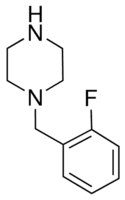
1-(2-Fluorobenzyl)piperazine
C11H15FN2
Chemical Synthesis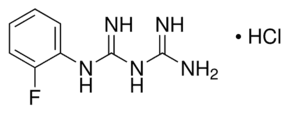
1-(2-Fluorophenyl)biguanide hydrochloride
Chemical Synthesis
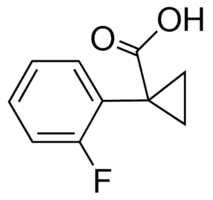
1-(2-Fluorophenyl)cyclopropanecarboxylic acid
C10H9FO2
Chemical Synthesis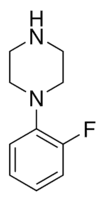
1-(2-Fluorophenyl)piperazine
C10H13FN2
Chemical Synthesis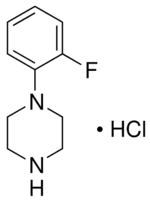
1-(2-Fluorophenyl)piperazine monohydrochloride
C10H13FN2 · HCl
Chemical Synthesis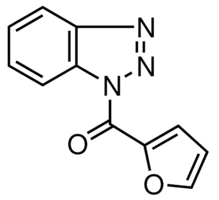
1-(2-Furoyl)-1H-benzotriazole
C11H7N3O2
Chemical Synthesis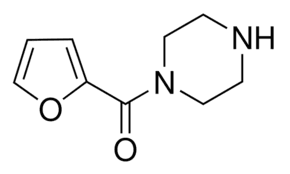
1-(2-Furoyl)piperazine
C9H12N2O2
Chemical Synthesis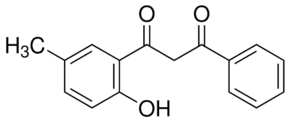
1-(2-Hydroxy-5-methylphenyl)-3-phenyl-1,3-propanedione
Chemical Synthesis
▶ Explore more

Bis(cyclopentadienyl)cobalt(III) hexafluorophosphate
C10H10CoF6P
Catalysis & Inorganic
1-(4-Chlorophenyl)biguanide hydrochloride
ClC6H4NHC(NH)NHC(NH)NH2 · HCl
Chemical Synthesis
Bis(cyclopentadienyl)dimethylzirconium(IV)
Catalysis & Inorganic

1-(4-Chlorophenyl)ethanol
ClC6H4CH(CH3)OH
Chemical Synthesis