
(11bR, 11′bR)-4,4′-(Oxydi-2,1-phenylene)bis-dinaphtho[2,1-d:, 1′, 2′-f][1,3,2]dioxaphosphepin
(11bR, 11′bR)-4,4′-(Oxydi-2,1-phenylene)bis-dinaphtho[2,1-d:, 1′, 2′-f][1,3,2]dioxaphosphepin (CAS: 391860-55-2) is a specialised diphosphonite ligand with a molecular weight of 767.78. This chiral compound is primarily utilised in asymmetric synthesis, particularly in rhodium-catalyzed conjugate addition reactions and asymmetric hydrogenation. Its defined stereochemistry makes it a valuable tool for enantioselective transformations in organic chemistry.
- IUPAC
- R, R-Reetz D-Diphosphonite
- Synonyms
- 1-phenylene)bis-dinaphtho[2,1-d:, 1′, 2′-f][1,3,2]dioxaphosphepin
![(11bR, 11′bR)-4,4′-(Oxydi-2,1-phenylene)bis-dinaphtho[2,1-d:, 1′, 2′-f][1,3,2]dioxaphosphepin (C52H32O5P) — chemical structure, CAS 391860-55-2; Chemistry, fine chemical supplied by Tech Serve Solutions](/_next/image?url=https%3A%2F%2Fpub-f4d920c906024441a773a96f7098e551.r2.dev%2Fimages%2Fproducts%2F391860-55-2.png&w=3840&q=75)
Asymmetric Conjugate Addition
This ligand has been employed in Rh-catalyzed conjugate addition reactions of arylboronic acids to enones, facilitating the enantioselective formation of chiral products.
Asymmetric Hydrogenation
It serves as a key component in asymmetric hydrogenation reactions, notably with substrates such as β-keto esters, enabling the production of enantiomerically enriched alcohols.
Chiral Catalyst Development
As a privileged chiral ligand, it is instrumental in the development and application of enantioselective catalytic systems for complex molecule synthesis.
| Molecular weight | 767.78 |
|---|---|
| Empirical formula | C52H32O5P |
| Optical activity | [α]22/D +123°, c = 1 in chloroform |
| Application | This diphosphonite ligand has been successfully employed in asymmetric Rh-catalyzed conjugate addition reactions of arylboronic acids to enones, as well as in asymmetric hydrogenation reactions of β-keto esters.1,2 |
| Melting point | 171-187 °C |


Hazard statements
- H228Flammable solid
- H315Causes skin irritation
- H361D
- H373May cause damage to organs through prolonged exposure
Precautionary statements
- P210Keep away from heat, sparks and open flames. No smoking
- P281Use personal protective equipment as required
| Protective equipment | dust mask type N95 (US), Eyeshields, Gloves |
|---|---|
| Transport (UN / ADR) | UN 3175 4.1 / PGII |
| Water hazard class (WGK, DE) | 3 |
| Hazard codes (EU) | Xn |
| Risk statements (R) | 63-48/20 |
| Safety statements (S) | 36/37 |
Hazard information is provided for guidance. Always consult the product Safety Data Sheet (SDS), available on request, before handling.
Documentation
Every batch ships with a Certificate of Analysis covering assay, identity and purity; the grade is confirmed against your enquiry. Safety Data Sheets and technical data sheets are available on request.
Supply & logistics
Samples for technical evaluation; bulk MOQ by grade and packaging. In-stock material ships in 7–10 working days, worldwide, with full export documentation.
What is (11bR, 11′bR)-4,4′-(Oxydi-2,1-phenylene)bis-dinaphtho[2,1-d:, 1′, 2′-f][1,3,2]dioxaphosphepin used for?
+
This compound is primarily used as a chiral ligand in asymmetric synthesis, particularly for rhodium-catalyzed conjugate addition reactions and asymmetric hydrogenation reactions.
What are the CAS number and molecular formula?
+
The CAS number is 391860-55-2. The empirical formula is C52H32O5P, and the molecular weight is 767.78.
What grade and purity does Tech Serve Solutions supply?
+
Tech Serve Solutions supplies this chemical as a research-grade reagent. The specific assay and purity are detailed in the product specifications and certificates of analysis, and it is not represented as USP, BP, or EP grade.
How should this chemical be handled safely?
+
This compound is flammable (H228) and can cause skin irritation (H315), and may cause damage to organs through prolonged or repeated exposure (H373). It is also suspected of damaging fertility or the unborn child (H361d). Handle with appropriate personal protective equipment, including a dust mask (N95), eyeshields, and gloves, in a well-ventilated area. Refer to the Safety Data Sheet for comprehensive handling instructions.
Is this chemical shipped internationally?
+
Yes, Tech Serve Solutions is a global supplier and exporter of fine chemicals and reagents, including this product.
How can I request a sample or quote?
+
Please contact our sales team via the website or direct inquiry to request a sample or a quotation for this chemical.
▶ Related products
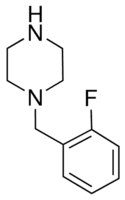
1-(2-Fluorobenzyl)piperazine
C11H15FN2
Chemical Synthesis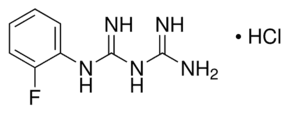
1-(2-Fluorophenyl)biguanide hydrochloride
Chemical Synthesis
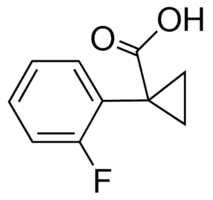
1-(2-Fluorophenyl)cyclopropanecarboxylic acid
C10H9FO2
Chemical Synthesis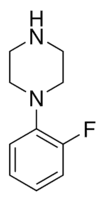
1-(2-Fluorophenyl)piperazine
C10H13FN2
Chemical Synthesis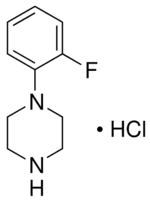
1-(2-Fluorophenyl)piperazine monohydrochloride
C10H13FN2 · HCl
Chemical Synthesis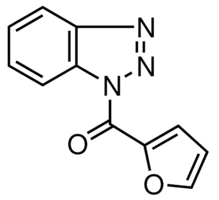
1-(2-Furoyl)-1H-benzotriazole
C11H7N3O2
Chemical Synthesis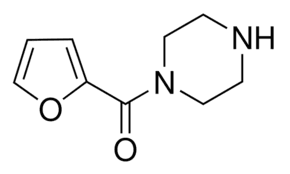
1-(2-Furoyl)piperazine
C9H12N2O2
Chemical Synthesis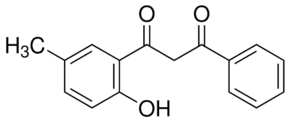
1-(2-Hydroxy-5-methylphenyl)-3-phenyl-1,3-propanedione
Chemical Synthesis
▶ Explore more

Bis(cyclopentadienyl)cobalt(III) hexafluorophosphate
C10H10CoF6P
Catalysis & Inorganic
1-(4-Chlorophenyl)biguanide hydrochloride
ClC6H4NHC(NH)NHC(NH)NH2 · HCl
Chemical Synthesis
Bis(cyclopentadienyl)dimethylzirconium(IV)
Catalysis & Inorganic

1-(4-Chlorophenyl)ethanol
ClC6H4CH(CH3)OH
Chemical Synthesis