1,4-Phenylene diisocyanate
1,4-Phenylene diisocyanate (CAS: 104-49-4), with the molecular formula C6H4(NCO)2 and a molar mass of 160.13 g/mol, is an organic compound featuring two isocyanate functional groups. This chemical serves as a valuable building block in various synthetic applications. Its utility is demonstrated in its role as a cross-linking reagent, in the synthesis of specific receptor molecules, and in the development of advanced materials through molecular layer deposition techniques.
- Synonyms
- C6H4(NCO)2

Cross-linking Reagent
1,4-Phenylene diisocyanate is employed as a cross-linking reagent in studies investigating enzyme immobilisation mechanisms on modified surfaces.
Synthesis of Bis-urea Receptors
It is utilised in the chemical synthesis of dipodal bis-urea receptors, which are designed for the selective binding of anions such as hydrogen sulfate.
Polyurea Resist Films
This diisocyanate finds application in the deposition of polyurea resist films through the process of molecular layer deposition, contributing to advanced material fabrication.
| Molecular weight | 160.13 |
|---|---|
| Linear formula | C6H4(NCO)2 |
| Boiling point | 260 °C(lit.) |
| Solubility | THF: solubleacetone: solubleethyl acetate: solubletoluene: soluble |
| Vapour pressure | <0.01 mmHg (20 °C) |
| Application | 1,4-Phenylene diisocyanate has been used:• as croos-linking reagent to investigate the mechanism of enzyme immobilization on silanized surfaces1• in the synthesis of dipodal bis-urea receptor, a selective receptor for hydrogen sulfate2• in deposition of polyurea resists films via molecular layer deposition3 |
| Melting point | 96-99 °C(lit.) |


Hazard statements
- H302Harmful if swallowed
- H315Causes skin irritation
- H318Causes serious eye damage
- H334May cause allergy or asthma symptoms if inhaled
Precautionary statements
- P261Avoid breathing dust, fume, gas or vapours
- P280Wear protective gloves, clothing and eye/face protection
- P305IF IN EYES
- P342
| Protective equipment | dust mask type N95 (US), Eyeshields, Faceshields, Gloves |
|---|---|
| Flash point | >113 °C / >235.4 °F |
| Transport (UN / ADR) | UN 3335 |
| Water hazard class (WGK, DE) | 3 |
| Hazard codes (EU) | Xn |
| Risk statements (R) | 20/21/22-38-41-42 |
| Safety statements (S) | 22-26-36/37-36/37/39-45 |
Hazard information is provided for guidance. Always consult the product Safety Data Sheet (SDS), available on request, before handling.
Documentation
Every batch ships with a Certificate of Analysis covering assay, identity and purity; the grade is confirmed against your enquiry. Safety Data Sheets and technical data sheets are available on request.
Supply & logistics
Samples for technical evaluation; bulk MOQ by grade and packaging. In-stock material ships in 7–10 working days, worldwide, with full export documentation.
What is 1,4-Phenylene diisocyanate used for?
+
1,4-Phenylene diisocyanate is used as a cross-linking reagent, in the synthesis of bis-urea receptors, and in the deposition of polyurea resist films via molecular layer deposition.
What is the CAS number and chemical formula for 1,4-Phenylene diisocyanate?
+
The CAS number is 104-49-4 and the linear formula is C6H4(NCO)2.
What grade and purity does Tech Serve Solutions supply?
+
Tech Serve Solutions supplies 1,4-Phenylene diisocyanate. The specific assay or grade available should be confirmed with a product specification sheet, as we do not represent this product as USP, BP, or EP grade.
How should 1,4-Phenylene diisocyanate be handled safely?
+
Handling 1,4-Phenylene diisocyanate requires significant precautions due to its hazards. It is harmful if swallowed, in contact with skin, or if inhaled, causes skin irritation, serious eye damage, and may cause allergy or asthma symptoms or breathing difficulties if inhaled. Appropriate personal protective equipment, including a dust mask type N95, eyeshields, faceshields, and gloves, is essential. Ensure adequate ventilation and follow all safety instructions provided.
Is 1,4-Phenylene diisocyanate a controlled substance?
+
The provided data does not indicate that 1,4-Phenylene diisocyanate is a controlled substance.
How is 1,4-Phenylene diisocyanate packed, shipped, and exported?
+
1,4-Phenylene diisocyanate is packed and shipped in compliance with relevant transport regulations, including UN 3335 classification. Tech Serve Solutions expertly handles global export logistics.
How can I request a sample or quote for 1,4-Phenylene diisocyanate?
+
To request a sample or a quotation for 1,4-Phenylene diisocyanate, please contact our sales team directly through the website portal or via the provided contact details.
▶ Related products
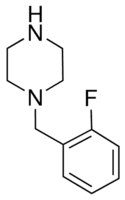
1-(2-Fluorobenzyl)piperazine
C11H15FN2
Chemical Synthesis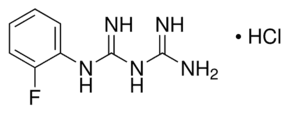
1-(2-Fluorophenyl)biguanide hydrochloride
Chemical Synthesis
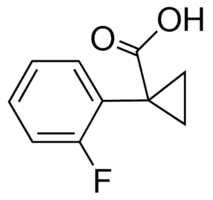
1-(2-Fluorophenyl)cyclopropanecarboxylic acid
C10H9FO2
Chemical Synthesis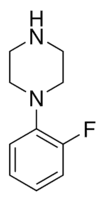
1-(2-Fluorophenyl)piperazine
C10H13FN2
Chemical Synthesis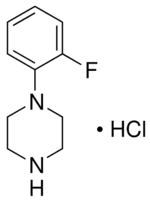
1-(2-Fluorophenyl)piperazine monohydrochloride
C10H13FN2 · HCl
Chemical Synthesis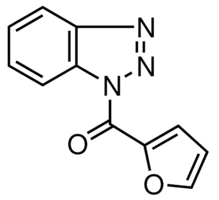
1-(2-Furoyl)-1H-benzotriazole
C11H7N3O2
Chemical Synthesis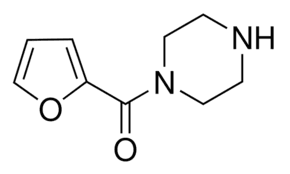
1-(2-Furoyl)piperazine
C9H12N2O2
Chemical Synthesis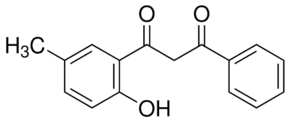
1-(2-Hydroxy-5-methylphenyl)-3-phenyl-1,3-propanedione
Chemical Synthesis