1-(4-Bromophenyl)-3-(4-chlorophenyl)pyrazole-4-propionic acid
1-(4-Bromophenyl)-3-(4-chlorophenyl)pyrazole-4-propionic acid (CAS 870704-03-3) is a halogenated pyrazole carboxylic-acid building block with the molecular formula C18H14BrClN2O2 and a molar mass of 405.67 g/mol. Supplied as a solid of 97% assay (melting point 145-149 degrees C), it carries reactive aryl bromide, aryl chloride and free carboxyl handles that make it a versatile intermediate for medicinal-chemistry and heterocyclic synthesis. Tech Serve Solutions supplies it as a research-grade reagent to laboratories worldwide.
- Synonyms
- 1-(4-Bromophenyl)-3-(4-chlorophenyl)pyrazole-4-propionic acid1-(4-Bromophenyl)-3-(4-chlorophenyl)-1H-pyrazole-4-propanoic acid3-[1-(4-Bromophenyl)-3-(4-chlorophenyl)-1H-pyrazol-4-yl]propanoic acidCAS 870704-03-3MFCD08276798

Heterocyclic building block
Serves as a trisubstituted pyrazole scaffold for the assembly of more elaborate heterocyclic systems. The defined 1,3,4-substitution pattern gives chemists a fixed core on which to build.
Pharmaceutical and medicinal-chemistry intermediate
Used in discovery and process research as an intermediate towards candidate molecules. The aryl-halide and carboxylic-acid groups provide multiple, orthogonal points for further elaboration.
Cross-coupling substrate
The 4-bromophenyl and 4-chlorophenyl groups are suited to palladium-catalysed cross-coupling reactions such as Suzuki, Heck and related transformations, enabling rapid diversification of the biaryl framework.
Carboxylic-acid handle for derivatisation
The propionic-acid side chain can be esterified, amidated or otherwise activated, allowing the preparation of esters, amides and conjugates from a single common intermediate.
Reference and research reagent
Supplied at 97% assay for use in synthetic method development, structure-activity studies and analytical reference work in research laboratories.
| Molecular weight | 405.67 |
|---|---|
| Empirical formula | C18H14BrClN2O2 |
| Assay | 97% |
| Melting point | 145-149 °C |

Hazard statements
- H315Causes skin irritation
- H319Causes serious eye irritation
- H335May cause respiratory irritation
- H413May cause long-lasting harmful effects to aquatic life
Precautionary statements
- P261Avoid breathing dust, fume, gas or vapours
- P305IF IN EYES
| Protective equipment | dust mask type N95 (US), Eyeshields, Gloves |
|---|---|
| Water hazard class (WGK, DE) | 3 |
| Hazard codes (EU) | Xi |
| Risk statements (R) | 36/37/38 |
| Safety statements (S) | 26-36 |
Hazard information is provided for guidance. Always consult the product Safety Data Sheet (SDS), available on request, before handling.
Documentation
Every batch ships with a Certificate of Analysis covering assay, identity and purity; the grade is confirmed against your enquiry. Safety Data Sheets and technical data sheets are available on request.
Supply & logistics
Samples for technical evaluation; bulk MOQ by grade and packaging. In-stock material ships in 7–10 working days, worldwide, with full export documentation.
What is 1-(4-Bromophenyl)-3-(4-chlorophenyl)pyrazole-4-propionic acid used for?
+
It is used as a research-grade heterocyclic building block and synthetic intermediate. Its pyrazole core, two aryl-halide groups and free carboxylic acid make it useful in medicinal-chemistry synthesis, palladium-catalysed cross-coupling and the preparation of esters, amides and related derivatives.
What is the CAS number and molecular formula of 1-(4-Bromophenyl)-3-(4-chlorophenyl)pyrazole-4-propionic acid?
+
The CAS number is 870704-03-3 and the molecular formula is C18H14BrClN2O2, with a molecular weight of 405.67 g/mol. Its MDL number is MFCD08276798 and the reported melting point is 145-149 degrees C.
What grade and purity does Tech Serve Solutions supply?
+
Tech Serve Solutions supplies this compound as a research-grade reagent with a typical assay of 97%. It is offered for research and manufacturing use; we do not represent it as USP, BP or EP pharmacopoeial grade. A certificate of analysis can accompany each batch on request.
What are the safety and handling requirements?
+
The compound is classified under GHS with the signal word Warning (pictogram GHS07). Hazard statements are H315 (causes skin irritation), H319 (causes serious eye irritation), H335 (may cause respiratory irritation) and H413 (may cause long-lasting harmful effects to aquatic life). Handle with gloves, eye protection and an N95-type dust mask, avoid release to the environment (water hazard class WGK 3), and follow the precautionary advice P261 and P305+P351+P338. Always consult the current Safety Data Sheet before use.
How is 1-(4-Bromophenyl)-3-(4-chlorophenyl)pyrazole-4-propionic acid packed, shipped and exported?
+
It is packed as a solid in tightly closed, suitably labelled containers sized from gram quantities to bulk research requirements. Tech Serve Solutions exports worldwide with full GHS-compliant labelling, Safety Data Sheet and certificate of analysis, and arranges documentation to meet the import requirements of the destination country.
How do I request a sample or quote?
+
Contact Tech Serve Solutions with your required quantity, purity and destination, quoting CAS 870704-03-3. Our team will respond with availability, lead time, packaging options and a formal quotation, and can arrange a sample where appropriate.
▶ Related products
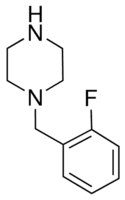
1-(2-Fluorobenzyl)piperazine
C11H15FN2
Chemical Synthesis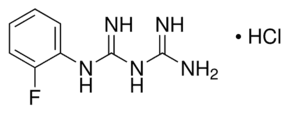
1-(2-Fluorophenyl)biguanide hydrochloride
Chemical Synthesis
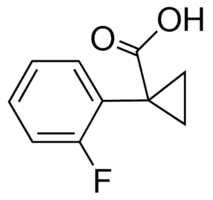
1-(2-Fluorophenyl)cyclopropanecarboxylic acid
C10H9FO2
Chemical Synthesis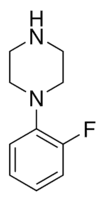
1-(2-Fluorophenyl)piperazine
C10H13FN2
Chemical Synthesis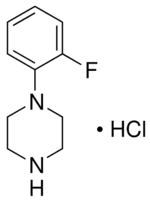
1-(2-Fluorophenyl)piperazine monohydrochloride
C10H13FN2 · HCl
Chemical Synthesis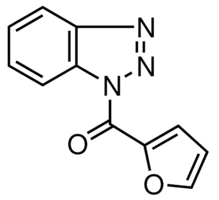
1-(2-Furoyl)-1H-benzotriazole
C11H7N3O2
Chemical Synthesis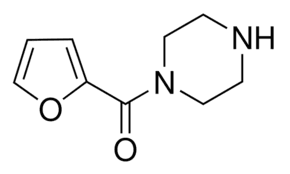
1-(2-Furoyl)piperazine
C9H12N2O2
Chemical Synthesis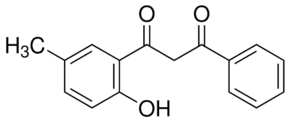
1-(2-Hydroxy-5-methylphenyl)-3-phenyl-1,3-propanedione
Chemical Synthesis