1,4-Bis[3-(2-pyridyldithio)propionamido]butane
1,4-Bis[3-(2-pyridyldithio)propionamido]butane (CAS 141647-62-3) is a homobifunctional cross-linking reagent with a molecular weight of 482.71 g/mol. This compound features two disulfide bonds susceptible to reduction, making it valuable for studying protein structural analysis and modification. It finds application in molecular biology and proteomics research, enabling researchers to investigate protein interactions and structures through controlled crosslinking.
- IUPAC
- 1,16-Di(2-pyridyl)-1,2,15,16-tetrathia-6,11-diazahexadecane-5,12-dione,DPDPB,N, N′-Tetramethylenebis[3-(2-pyridyldithio)propionamide]
- Synonyms
- C20H26N4O2S41,16-Di(2-pyridyl)-1,2,15,16-tetrathia-6,11-diazahexadecane-5,12-dioneDPDPBN, N′-Tetramethylenebis[3-(2-pyridyldithio)propionamide]
![1,4-Bis[3-(2-pyridyldithio)propionamido]butane (C20H26N4O2S4) — chemical structure, CAS 141647-62-3; Chemistry, fine chemical supplied by Tech Serve Solutions](/_next/image?url=https%3A%2F%2Fpub-f4d920c906024441a773a96f7098e551.r2.dev%2Fimages%2Fproducts%2F141647-62-3.png&w=3840&q=75)
Homobifunctional Cross-Linking
1,4-Bis[3-(2-pyridyldithio)propionamido]butane acts as a homobifunctional cross-linking reagent. Its structure allows it to covalently link two molecules or sites within a larger molecule, facilitating studies in biochemistry and molecular biology.
Protein Structural Analysis
This reagent is employed in protein structural analysis to investigate the spatial arrangement of amino acids within proteins. By crosslinking specific residues, it helps elucidate protein folding patterns and conformational states.
Proteomics Research
In proteomics, the compound aids in identifying protein-protein interactions and mapping protein complexes. Its ability to crosslink proteins under specific conditions enables the stabilization of transient interactions for subsequent analysis.
Chemical Biology Studies
As a tool in chemical biology, 1,4-Bis[3-(2-pyridyldithio)propionamido]butane can be used to modify proteins, study cellular processes, and develop probes for biological systems. Its disulfide bonds offer a cleavable linkage for controlled experiments.
| Molecular weight | 482.71 |
|---|---|
| Empirical formula | C20H26N4O2S4 |
| Assay | ≥85% (HPLC) |
| Storage temperature | 2-8°C |
| Application | 1,4-Bis[3-(2-pyridyldithio)propionamido]butane can be used to study protein structural analysis, protein modification, proteomics and homobifunctional cross-linking reagents. |

Hazard statements
- H315Causes skin irritation
- H319Causes serious eye irritation
- H335May cause respiratory irritation
Precautionary statements
- P261Avoid breathing dust, fume, gas or vapours
- P305IF IN EYES
| Protective equipment | dust mask type N95 (US), Eyeshields, Gloves |
|---|---|
| Water hazard class (WGK, DE) | 3 |
| Hazard codes (EU) | Xi |
| Risk statements (R) | 36/37/38 |
| Safety statements (S) | 26-36 |
Hazard information is provided for guidance. Always consult the product Safety Data Sheet (SDS), available on request, before handling.
Documentation
Every batch ships with a Certificate of Analysis covering assay, identity and purity; the grade is confirmed against your enquiry. Safety Data Sheets and technical data sheets are available on request.
Supply & logistics
Samples for technical evaluation; bulk MOQ by grade and packaging. In-stock material ships in 7–10 working days, worldwide, with full export documentation.
What is 1,4-Bis[3-(2-pyridyldithio)propionamido]butane used for?
+
1,4-Bis[3-(2-pyridyldithio)propionamido]butane is primarily used as a homobifunctional cross-linking reagent in studies involving protein structural analysis, protein modification, proteomics, and chemical biology.
What are the CAS number and molecular formula for this compound?
+
The CAS number for 1,4-Bis[3-(2-pyridyldithio)propionamido]butane is 141647-62-3, and its empirical formula is C20H26N4O2S4.
What grade and purity does Tech Serve Solutions supply?
+
Tech Serve Solutions supplies 1,4-Bis[3-(2-pyridyldithio)propionamido]butane with an assay of ≥85% by HPLC. TSS does not represent this product as USP, BP, EP, or other pharmacopoeia grades.
How should 1,4-Bis[3-(2-pyridyldithio)propionamido]butane be handled safely?
+
According to GHS, this compound is a Warning with hazards H315 (Causes skin irritation), H319 (Causes serious eye irritation), and H335 (May cause respiratory irritation). It is recommended to wear a dust mask type N95 (US), eyeshields, and gloves. Handle in a well-ventilated area and avoid breathing dust.
How is this chemical typically packed, shipped, and exported?
+
Tech Serve Solutions packs, ships, and exports chemicals with careful consideration for stability and regulatory compliance. Specific packaging details are available upon request, and shipments adhere to international export regulations.
How can I request a sample or a quote for 1,4-Bis[3-(2-pyridyldithio)propionamido]butane?
+
To request a sample or a quote, please contact our sales department directly through the website or by phone. Our team will be pleased to assist you with your specific requirements.
▶ Related products
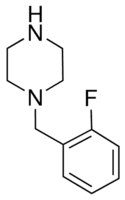
1-(2-Fluorobenzyl)piperazine
C11H15FN2
Chemical Synthesis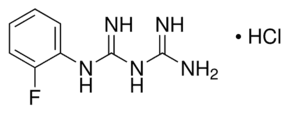
1-(2-Fluorophenyl)biguanide hydrochloride
Chemical Synthesis
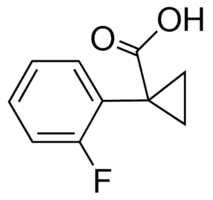
1-(2-Fluorophenyl)cyclopropanecarboxylic acid
C10H9FO2
Chemical Synthesis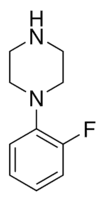
1-(2-Fluorophenyl)piperazine
C10H13FN2
Chemical Synthesis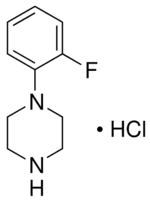
1-(2-Fluorophenyl)piperazine monohydrochloride
C10H13FN2 · HCl
Chemical Synthesis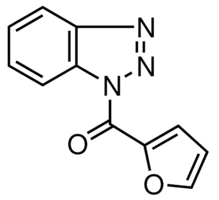
1-(2-Furoyl)-1H-benzotriazole
C11H7N3O2
Chemical Synthesis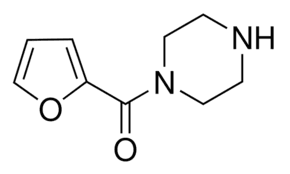
1-(2-Furoyl)piperazine
C9H12N2O2
Chemical Synthesis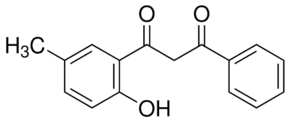
1-(2-Hydroxy-5-methylphenyl)-3-phenyl-1,3-propanedione
Chemical Synthesis