(1,3-Dioxolan-2-ylmethyl)triphenylphosphonium bromide
(1,3-Dioxolan-2-ylmethyl)triphenylphosphonium bromide (CAS: 52509-14-5) is a chemical compound with a molecular weight of 431.30 g/mol. It serves as a valuable reagent in organic synthesis, primarily employed in C-C bond formation and olefination reactions. Its utility extends to the preparation of various complex molecules, including fluorescent probes, inhibitors, and potential pharmaceutical agents, making it a key component in diverse chemical research and development endeavours.
- Synonyms
- C22H24BrO2P

Preparation of Fluorescent Probes
This phosphonium salt is a key reactant in the preparation of ratiometric fluorescent probes. These probes are designed for the specific detection of biologically relevant molecules like cysteine, differentiating it from similar compounds like homocysteine and glutathione.
Synthesis of Enzyme Inhibitors
It facilitates the microwave-assisted synthesis of compounds such as KN-93, an established inhibitor of calmodulin kinase II. This application is crucial in biochemical research for studying cellular signalling pathways.
Development of Receptor Ligands
The compound is utilised in the preparation of novel fluorinated spirobenzofuran piperidines. These molecules are investigated for their potential as s1 receptor ligands, relevant in neurological and psychiatric research.
Synthesis of Antitumor Agents
Its application extends to the synthesis of molecules with potential antitumor activity. This involves complex synthetic routes where it acts as a crucial building block for generating novel chemical entities.
Regio-selective Indole Synthesis
This reagent is employed in the regio-selective preparation of indole derivatives through rhodium-catalyzed domino hydroformylation/indolization processes, offering precise control over molecular architecture.
| Molecular weight | 431.30 |
|---|---|
| Empirical formula | C22H24BrO2P |
| Assay | 98% |
| Application | Reactant for:• Preparation of a ratiometric fluorescent probe for specific detection of cysteine over homocysteine and glutathione1• Microwave-assisted synthesis of KN-93 as inhibitor of calmodulin kinase II2• Preparation of fluorinated spirobenzofuran piperidines as s1 receptor ligands3• Synthesis and antitumor agents4• Regio-selective preparation of indole derivatives via rhodium-catalyzed domino hydroformylation/indolization5 |
| Melting point | 193-195 °C(lit.) |

Hazard statements
- H302Harmful if swallowed
- H312Harmful in contact with skin
- H315Causes skin irritation
- H319Causes serious eye irritation
- H332Harmful if inhaled
- H335May cause respiratory irritation
Precautionary statements
- P261Avoid breathing dust, fume, gas or vapours
- P280Wear protective gloves, clothing and eye/face protection
- P305IF IN EYES
| Protective equipment | dust mask type N95 (US), Eyeshields, Gloves |
|---|---|
| Water hazard class (WGK, DE) | 3 |
| Hazard codes (EU) | Xn |
| Risk statements (R) | 20/21/22-36/37/38 |
| Safety statements (S) | 26-37/39 |
Hazard information is provided for guidance. Always consult the product Safety Data Sheet (SDS), available on request, before handling.
Documentation
Every batch ships with a Certificate of Analysis covering assay, identity and purity; the grade is confirmed against your enquiry. Safety Data Sheets and technical data sheets are available on request.
Supply & logistics
Samples for technical evaluation; bulk MOQ by grade and packaging. In-stock material ships in 7–10 working days, worldwide, with full export documentation.
What is (1,3-Dioxolan-2-ylmethyl)triphenylphosphonium bromide primarily used for?
+
It is primarily used as a reagent in C-C bond formation and olefination reactions, including the Wittig reaction, for the synthesis of various organic compounds, fluorescent probes, enzyme inhibitors, and potential pharmaceutical agents.
What are the CAS number and empirical formula for this compound?
+
The CAS number is 52509-14-5 and the empirical formula is C22H24BrO2P.
What grade and purity does Tech Serve Solutions supply?
+
Tech Serve Solutions supplies this product with an assay of 98%. TSS does not represent this product as USP, BP, EP, or any other pharmacopoeia grade.
What are the safety and handling considerations for this chemical?
+
This compound is harmful if swallowed, in contact with skin, or if inhaled, and causes skin and serious eye irritation, and may cause respiratory irritation. Always use with adequate ventilation, wear appropriate personal protective equipment including a dust mask (type N95 US), eyeshields, and gloves. Avoid breathing dust.
Is this product available for export?
+
Yes, Tech Serve Solutions is a global supplier and exporter of fine chemicals, pharmaceutical intermediates, and laboratory reagents.
How can I request a quote or sample?
+
Please contact our sales team via the website or by phone to request a quote or sample for (1,3-Dioxolan-2-ylmethyl)triphenylphosphonium bromide.
▶ Related products
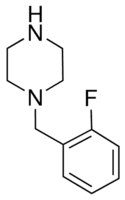
1-(2-Fluorobenzyl)piperazine
C11H15FN2
Chemical Synthesis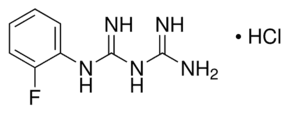
1-(2-Fluorophenyl)biguanide hydrochloride
Chemical Synthesis
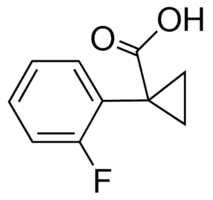
1-(2-Fluorophenyl)cyclopropanecarboxylic acid
C10H9FO2
Chemical Synthesis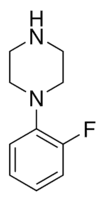
1-(2-Fluorophenyl)piperazine
C10H13FN2
Chemical Synthesis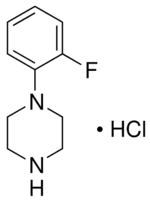
1-(2-Fluorophenyl)piperazine monohydrochloride
C10H13FN2 · HCl
Chemical Synthesis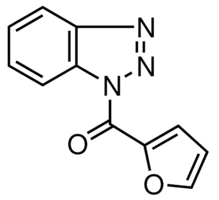
1-(2-Furoyl)-1H-benzotriazole
C11H7N3O2
Chemical Synthesis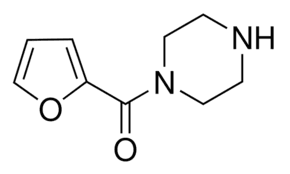
1-(2-Furoyl)piperazine
C9H12N2O2
Chemical Synthesis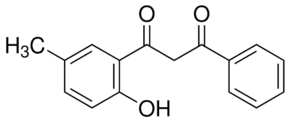
1-(2-Hydroxy-5-methylphenyl)-3-phenyl-1,3-propanedione
Chemical Synthesis