1,3-Butadiene
1,3-Butadiene (CAS: 106-99-0; C4H6; MW: 54.09) is a highly flammable gas and a key industrial chemical. It is primarily used as a monomer in the production of synthetic rubbers like styrene-butadiene rubber (SBR) and polybutadiene rubber (PBR), essential for tire manufacturing and other rubber goods. It also serves as a building block in the synthesis of various plastics and copolymers, contributing to a wide range of consumer and industrial products.
- Synonyms
- CH2=CHCH=CH2

Polymer Production
1,3-Butadiene is a crucial monomer for producing elastomers such as styrene-butadiene rubber (SBR) and polybutadiene rubber (PBR). These polymers are vital for manufacturing vehicle tires, footwear, and industrial rubber components.
Chemical Synthesis
This conjugated diene serves as a versatile building block in organic synthesis. It participates in Diels-Alder reactions and is used to create a range of organic compounds and specialty polymers.
ABS Plastics
It is a key component in the production of Acrylonitrile Butadiene Styrene (ABS) plastics, known for their toughness and impact resistance, used in automotive parts, electronics housings, and consumer goods.
Nitrile Rubber
1,3-Butadiene is a comonomer in the synthesis of nitrile rubber (NBR), valued for its resistance to oils, fuels, and chemicals, making it suitable for seals, gaskets, and hoses.
| Molecular weight | 54.09 |
|---|---|
| Linear formula | CH2=CHCH=CH2 |
| Assay | ≥99.5% (GC) |
| Boiling point | −4.5 °C(lit.) |
| Density | 0.62 g/mL at 20 °C(lit.) |
| Refractive index | n20/D 1.493 |
| Concentration | 20 wt. % in toluene |
| Melting point | −109 °C(lit.) |
| Vapour pressure | 1863 mmHg (21 °C) |
| Vapour density | 1.9 (15 °C, vs air) |
| Autoignition temp | 788 °F |
| Storage temperature | 2-8°C |
| Contains / stabiliser | p-tert-butylcatechol as inhibitor |
| Impurities tested | ≤0.05% isobutylene≤0.1% 1-butene≤0.1% trans-2-butene |


Hazard statements
- H220Extremely flammable gas
- H280Contains gas under pressure; may explode if heated
- H340May cause genetic defects
- H350May cause cancer
Precautionary statements
- P201Obtain special instructions before use
- P210Keep away from heat, sparks and open flames. No smoking
- P308IF exposed or concerned
- P410Protect from sunlight
| Protective equipment | Eyeshields, Faceshields, Gloves, half-mask respirator (EU), half-mask respirator (US), multi-purpose combination respirator cartridge (US) |
|---|---|
| Flash point | -76 °C / -104.8 °F |
| Transport (UN / ADR) | UN 1010PSN1 2.1 |
| Water hazard class (WGK, DE) | 2 |
| Hazard codes (EU) | F+,T |
| Risk statements (R) | 45-46-12 |
| Safety statements (S) | 53-45 |
Hazard information is provided for guidance. Always consult the product Safety Data Sheet (SDS), available on request, before handling.
| Expl Lim | 12 % |
|---|
Documentation
Every batch ships with a Certificate of Analysis covering assay, identity and purity; the grade is confirmed against your enquiry. Safety Data Sheets and technical data sheets are available on request.
Supply & logistics
Samples for technical evaluation; bulk MOQ by grade and packaging. In-stock material ships in 7–10 working days, worldwide, with full export documentation.
What is 1,3-Butadiene used for?
+
1,3-Butadiene is primarily used as a monomer in the production of synthetic rubbers like SBR and PBR, and in the manufacturing of ABS plastics and nitrile rubber.
What are the CAS number and formula for 1,3-Butadiene?
+
The CAS number for 1,3-Butadiene is 106-99-0, and its chemical formula is C4H6.
What grade and purity does Tech Serve Solutions supply?
+
Tech Serve Solutions supplies 1,3-Butadiene with an assay of ≥99.5% (GC). TSS does not represent this product as USP, BP, or EP grade.
How should 1,3-Butadiene be handled safely?
+
1,3-Butadiene is extremely flammable and a known carcinogen and mutagen. Handle only in well-ventilated areas, away from ignition sources, wearing appropriate personal protective equipment including eyeshields, gloves, and respiratory protection. Refer to the Safety Data Sheet for detailed handling procedures.
Is 1,3-Butadiene a controlled substance?
+
1,3-Butadiene is listed as a carcinogen and a mutagen. While not typically scheduled as a controlled substance in the same manner as narcotics, its handling and use are subject to stringent safety regulations due to its hazardous properties.
How is 1,3-Butadiene packaged and shipped?
+
1,3-Butadiene is supplied as a specialty gas and is typically shipped under pressure in appropriate cylinders. Storage is recommended at 2-8°C.
How can I request a sample or quote for 1,3-Butadiene?
+
To request a sample or a quotation for 1,3-Butadiene, please contact the TSS sales team via our website or by telephone.
▶ Related products
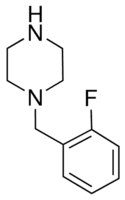
1-(2-Fluorobenzyl)piperazine
C11H15FN2
Chemical Synthesis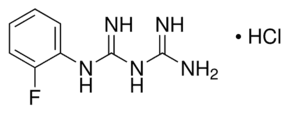
1-(2-Fluorophenyl)biguanide hydrochloride
Chemical Synthesis
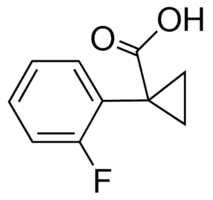
1-(2-Fluorophenyl)cyclopropanecarboxylic acid
C10H9FO2
Chemical Synthesis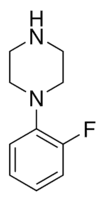
1-(2-Fluorophenyl)piperazine
C10H13FN2
Chemical Synthesis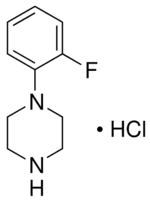
1-(2-Fluorophenyl)piperazine monohydrochloride
C10H13FN2 · HCl
Chemical Synthesis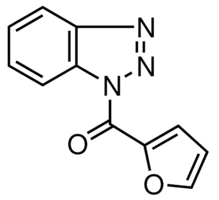
1-(2-Furoyl)-1H-benzotriazole
C11H7N3O2
Chemical Synthesis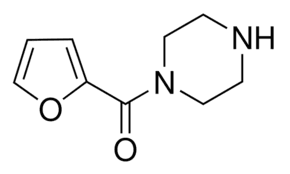
1-(2-Furoyl)piperazine
C9H12N2O2
Chemical Synthesis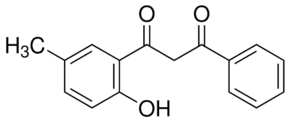
1-(2-Hydroxy-5-methylphenyl)-3-phenyl-1,3-propanedione
Chemical Synthesis