1α,25-Dihydroxyvitamin D3
1α,25-Dihydroxyvitamin D3 (CAS: 32222-06-3) is a highly active form of vitamin D, also known as calcitriol. With a molecular weight of 416.64 g/mol, this premium quality compound is crucial in cellular biology and nutrition research. Its primary role involves the regulation of calcium and phosphate homeostasis, making it a vital subject in studies related to bone metabolism, immune function, and cell differentiation. Tech Serve Solutions offers this important research chemical.
- IUPAC
- 1α,25-Dihydroxycholecalciferol,Calcitriol
- Synonyms
- Calcitriol1,25-Dihydroxycholecalciferol1,25-Dihydroxyvitamin D3Cholecalciferol, 1,25-dihydroxy-

Endocrinology Research
As the hormonally active form of vitamin D, 1α,25-Dihydroxyvitamin D3 is extensively used in research to study its effects on calcium and phosphate metabolism, bone health, and parathyroid hormone regulation.
Cell Biology Studies
This compound plays a significant role in cell differentiation, proliferation, and apoptosis. It is a key research tool for investigating cellular signalling pathways and gene expression regulated by the vitamin D receptor (VDR).
Immunology Research
1α,25-Dihydroxyvitamin D3 modulates immune responses, influencing both innate and adaptive immunity. It is employed in research to understand its impact on immune cell function and its potential therapeutic applications in autoimmune diseases.
Nutrition and Metabolism Research
Researchers utilise this active metabolite of vitamin D to investigate its influence on nutrient absorption, particularly calcium and phosphate, and its broader systemic metabolic effects.
| Molecular weight | 416.64 |
|---|---|
| Empirical formula | C27H44O3 |
| Assay | ≥99% (HPLC) |
| Solubility | Do you have solubility information on this product that you would like to share? |
| Storage temperature | −20°C |
| Application | Do you have application information on this product that you would like to share? |


Hazard statements
- H300Fatal if swallowed
- H310Fatal in contact with skin
- H330Fatal if inhaled
- H361Suspected of damaging fertility or the unborn child
Precautionary statements
- P260Do not breathe dust, fume, gas, mist, vapours or spray
- P264Wash thoroughly after handling
- P280Wear protective gloves, clothing and eye/face protection
- P284Wear respiratory protection
- P301IF SWALLOWED
- P302IF ON SKIN
| Protective equipment | Eyeshields, Faceshields, full-face particle respirator type N100 (US), Gloves, respirator cartridge type N100 (US), type P1 (EN143) respirator filter, type P3 (EN 143) respirator cartridges |
|---|---|
| Transport (UN / ADR) | UN 2811 6.1 / PGI |
| Water hazard class (WGK, DE) | 3 |
| Hazard codes (EU) | T+ |
| Risk statements (R) | 63-26/27/28 |
| Safety statements (S) | 36/37/39-45 |
Hazard information is provided for guidance. Always consult the product Safety Data Sheet (SDS), available on request, before handling.
| Quality Level | PREMIUM |
|---|---|
| Gene Information | human ... VDR(7421) |
Documentation
Every batch ships with a Certificate of Analysis covering assay, identity and purity; the grade is confirmed against your enquiry. Safety Data Sheets and technical data sheets are available on request.
Supply & logistics
Samples for technical evaluation; bulk MOQ by grade and packaging. In-stock material ships in 7–10 working days, worldwide, with full export documentation.
What is 1α,25-Dihydroxyvitamin D3 used for?
+
1α,25-Dihydroxyvitamin D3 is primarily used in research settings for studies in endocrinology, cell biology, immunology, and nutrition. It is the biologically active form of vitamin D, essential for calcium and phosphate regulation and involved in cell differentiation and immune modulation.
What are the CAS number and molecular formula for 1α,25-Dihydroxyvitamin D3?
+
The CAS number for 1α,25-Dihydroxyvitamin D3 is 32222-06-3. Its empirical formula is C27H44O3.
What grade and purity does Tech Serve Solutions supply?
+
Tech Serve Solutions supplies 1α,25-Dihydroxyvitamin D3 at a PREMIUM quality level with an assay of ≥99% by HPLC. We do not represent this product as USP, BP, or EP grade.
How should 1α,25-Dihydroxyvitamin D3 be handled safely?
+
This compound is acutely toxic if swallowed, in contact with skin, or if inhaled (H300-H310-H330) and may damage fertility or the unborn child (H361). It requires stringent safety precautions, including the use of full-face particle respirators (N100), chemical-resistant gloves, and eyeshields/faceshields. Handle only in a well-ventilated area or under a fume hood. Consult the Safety Data Sheet for comprehensive handling instructions.
Is 1α,25-Dihydroxyvitamin D3 a controlled substance?
+
The provided data does not indicate that 1α,25-Dihydroxyvitamin D3 is a controlled substance under standard chemical regulations. However, users should always verify local regulations.
How is 1α,25-Dihydroxyvitamin D3 shipped and exported?
+
1α,25-Dihydroxyvitamin D3 is typically shipped and exported under conditions suitable for hazardous materials, adhering to international transport regulations for toxic substances (UN 2811, Class 6.1, Packing Group I). Storage is at -20°C.
How can I request a sample or quote for 1α,25-Dihydroxyvitamin D3?
+
To request a sample or a quotation for 1α,25-Dihydroxyvitamin D3, please contact our sales team via the website or direct email, providing your contact details and the quantity required.
▶ Related products
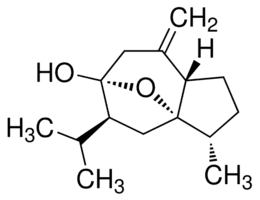
(−)-Curcumol
C15H24O2
Cell Biology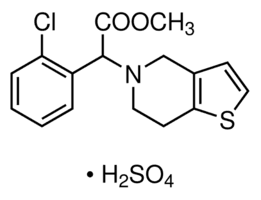
(±) Clopidogrel hydrogensulfate
Cell Biology
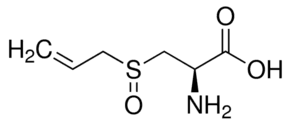
(±)-L-Alliin
C6H11NO3S
Cell Biology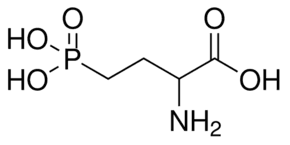
(±)-2-Amino-4-phosphonobutyric acid
C4H10NO5P
Cell Biology
(±)-2-Methylarachidonoyl-2′-fluoroethylamide
C23H38NOF
Cell Biology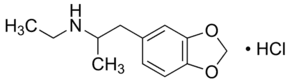
(±)-3,4-Methylenedioxy-N-ethylamphetamine hydrochloride
Cell Biology
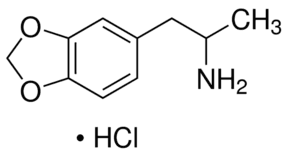
(±)-3,4-Methylenedioxyamphetamine hydrochloride
Cell Biology
(±)-3,4-Methylenedioxymethamphetamine hydrochloride
Cell Biology