(−)-1,2-Bis[(2S,5S)-2,5-diisopropylphospholano]benzene
(−)-1,2-Bis[(2S,5S)-2,5-diisopropylphospholano]benzene (CAS 147253-69-8) is a chiral phosphine ligand with the molecular formula C26H44P2 and a molecular weight of 418.58 g/mol. It belongs to the DuPhos family of ligands, renowned for their effectiveness in asymmetric catalysis. This compound is instrumental in facilitating enantioselective transformations, making it a valuable reagent in advanced chemical synthesis and the development of chiral molecules.
- IUPAC
- (S,S)-i-Pr-DUPHOS
- Synonyms
- C26H44P2(S,S)-i-Pr-DUPHOS
![(−)-1,2-Bis[(2S,5S)-2,5-diisopropylphospholano]benzene (5S)-2) — chemical structure, CAS 147253-69-8; Chemistry, fine chemical supplied by Tech Serve Solutions](/_next/image?url=https%3A%2F%2Fpub-f4d920c906024441a773a96f7098e551.r2.dev%2Fimages%2Fproducts%2F147253-69-8.png&w=3840&q=75)
Asymmetric Catalysis
This chiral phospholane ligand is employed in transition metal-catalyzed reactions to induce enantioselectivity. It is particularly effective in reactions such as hydrogenation and C-C bond formation, enabling the synthesis of specific enantiomers.
Chiral Synthesis
Used in the preparation of enantiomerically pure compounds, which are crucial in the pharmaceutical and fine chemical industries. Its structure allows for precise control over the stereochemical outcome of synthetic steps.
Ligand for Metal Complexes
Serves as a privileged ligand for various transition metals, forming catalytic complexes used in a wide array of asymmetric transformations. These complexes exhibit high activity and selectivity.
| Molecular weight | 418.58 |
|---|---|
| Empirical formula | C26H44P2 |
| Application | DuPhos and BPE Ligands: Highly Efficient Privileged Ligands |
| Melting point | 26-43 °C |
Documentation
Every batch ships with a Certificate of Analysis covering assay, identity and purity; the grade is confirmed against your enquiry. Safety Data Sheets and technical data sheets are available on request.
Supply & logistics
Samples for technical evaluation; bulk MOQ by grade and packaging. In-stock material ships in 7–10 working days, worldwide, with full export documentation.
What is (S,S)-i-Pr-DUPHOS used for?
+
(S,S)-i-Pr-DUPHOS is primarily used as a chiral phosphine ligand in asymmetric catalysis for enantioselective synthesis.
What is the CAS number and formula for this compound?
+
The CAS number is 147253-69-8, and the empirical formula is C26H44P2.
What grade and purity does Tech Serve Solutions supply?
+
Tech Serve Solutions supplies this compound for research and chemical synthesis purposes. The specific grade and purity should be confirmed with a Certificate of Analysis upon request. We do not represent this product as USP, BP, or EP grade.
How should (S,S)-i-Pr-DUPHOS be handled?
+
This compound is classified under WGK 2 in Germany, indicating it is hazardous to water. Appropriate personal protective equipment should be used during handling to avoid exposure. Consult the Safety Data Sheet for detailed handling information.
Is this compound suitable for pharmaceutical manufacturing?
+
This compound is a valuable tool in chiral synthesis, often used in the development and production of pharmaceutical intermediates. However, its suitability for specific GMP applications depends on regulatory requirements and the specific process validation.
How is this product packed, shipped, and exported?
+
Tech Serve Solutions ensures secure and compliant packaging for all its chemical products, adhering to international shipping regulations. We are experienced global exporters of fine chemicals and reagents.
How can I request a sample or a quote?
+
To request a sample or a quotation for (S,S)-i-Pr-DUPHOS, please contact our sales team through the website or by phone, providing your details and the quantity required.
▶ Related products
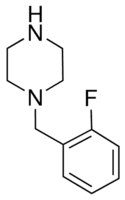
1-(2-Fluorobenzyl)piperazine
C11H15FN2
Chemical Synthesis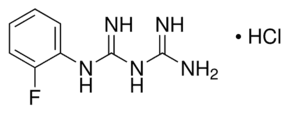
1-(2-Fluorophenyl)biguanide hydrochloride
Chemical Synthesis
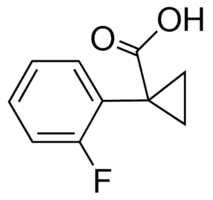
1-(2-Fluorophenyl)cyclopropanecarboxylic acid
C10H9FO2
Chemical Synthesis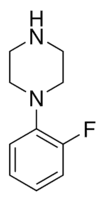
1-(2-Fluorophenyl)piperazine
C10H13FN2
Chemical Synthesis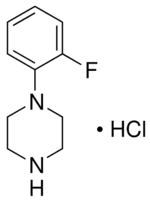
1-(2-Fluorophenyl)piperazine monohydrochloride
C10H13FN2 · HCl
Chemical Synthesis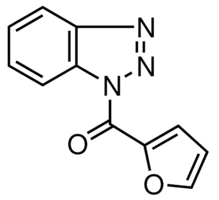
1-(2-Furoyl)-1H-benzotriazole
C11H7N3O2
Chemical Synthesis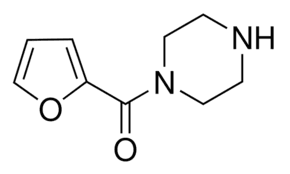
1-(2-Furoyl)piperazine
C9H12N2O2
Chemical Synthesis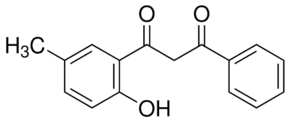
1-(2-Hydroxy-5-methylphenyl)-3-phenyl-1,3-propanedione
Chemical Synthesis