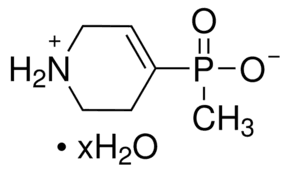
(1,2,5,6-Tetrahydropyridin-4-yl)methylphosphinic acid hydrate
(1,2,5,6-Tetrahydropyridin-4-yl)methylphosphinic acid hydrate (CAS: 182485-36-5) is a research chemical with the empirical formula C6H12NO2P · xH2O. This white to off-white solid, weighing 161.14 g/mol on an anhydrous basis, is primarily utilised in neuroscientific research. It functions as a specific antagonist for GABA<sub>C</sub> receptors, making it a valuable tool for investigating neuronal signalling pathways, particularly in the retina and visual system.
- IUPAC
- TPMPA hydrate
- Synonyms
- 6-Tetrahydropyridin-4-yl)methylphosphinic acid hydrate, 182485-36-5 (anhydrous), TPMPA hydrate
GABA<sub>C</sub> Receptor Antagonist
Utilised in research to block the activity of GABA<sub>C</sub> receptors. This allows scientists to study the specific physiological roles and downstream effects of these receptors in various biological systems, particularly within the central nervous system.
Neuroscience Research Tool
Applied to investigate inner retinal inhibition and its role in cellular functions, such as orientation selectivity in ganglion cells. Its specificity aids in dissecting complex neural circuits and neurotransmission processes.
Cell Biology Studies
Employed in cell-based assays and experimental models to probe the mechanisms of cell signalling and neuronal communication. It is a valuable reagent for understanding the impact of GABAergic signalling on cellular behaviour.
| Molecular weight | 161.14 (anhydrous basis) |
|---|---|
| Empirical formula | C6H12NO2P · xH2O |
| Assay | ≥97% (NMR) |
| Form | solid |
| Colour | white to off-white |
| Solubility | H2O: soluble16 mg/mLDMSO: insoluble |
| Application | TPMA has been used as a GABAC receptor antagonist to study the role of inner retinal inhibition in midget ganglion cells1. TPMPA has also been used to study the role of GABAC receptor antagonists in suppressing orientation selectivity in ganglion cells2. |
| Protective equipment | Eyeshields, Gloves, type N95 (US), type P1 (EN143) respirator filter |
|---|---|
| Water hazard class (WGK, DE) | 3 |
Hazard information is provided for guidance. Always consult the product Safety Data Sheet (SDS), available on request, before handling.
Documentation
Every batch ships with a Certificate of Analysis covering assay, identity and purity; the grade is confirmed against your enquiry. Safety Data Sheets and technical data sheets are available on request.
Supply & logistics
Samples for technical evaluation; bulk MOQ by grade and packaging. In-stock material ships in 7–10 working days, worldwide, with full export documentation.
What is (1,2,5,6-Tetrahydropyridin-4-yl)methylphosphinic acid hydrate used for?
+
(1,2,5,6-Tetrahydropyridin-4-yl)methylphosphinic acid hydrate is primarily used as a GABA<sub>C</sub> receptor antagonist in neuroscience research to study neuronal signalling, inner retinal inhibition, and orientation selectivity in ganglion cells.
What are the CAS number and formula for this compound?
+
The CAS number for the anhydrous form is 182485-36-5. The empirical formula is C6H12NO2P · xH2O.
What grade and purity does Tech Serve Solutions supply?
+
Tech Serve Solutions supplies this compound with a purity of ≥97% (NMR). This product is intended for research purposes only and TSS does not represent it as USP, BP, EP, or any other pharmacopoeia grade.
What are the safety and handling recommendations?
+
This compound is classified with WGK Germany 3. Handling requires appropriate personal protective equipment, including eyeshields, gloves, and a type N95 (US) or type P1 (EN143) respirator filter. Avoid contact and inhalation.
How is this chemical packed and shipped?
+
This chemical is typically supplied as a white to off-white solid. For specific packaging and shipping details concerning export, please contact our sales department.
How can I request a sample or quote?
+
To request a sample or a detailed quote, please contact the Tech Serve Solutions sales team via our website or direct email, providing the product name and your contact information.
▶ Related products
(−)-Curcumol
C15H24O2
Cell Biology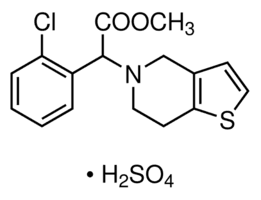
(±) Clopidogrel hydrogensulfate
Cell Biology
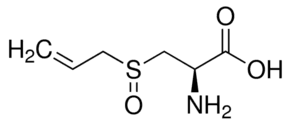
(±)-L-Alliin
C6H11NO3S
Cell Biology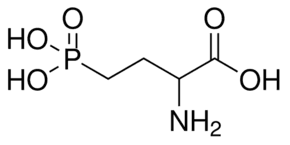
(±)-2-Amino-4-phosphonobutyric acid
C4H10NO5P
Cell Biology
(±)-2-Methylarachidonoyl-2′-fluoroethylamide
C23H38NOF
Cell Biology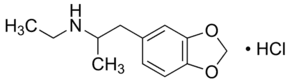
(±)-3,4-Methylenedioxy-N-ethylamphetamine hydrochloride
Cell Biology
(±)-3,4-Methylenedioxyamphetamine hydrochloride
Cell Biology
(±)-3,4-Methylenedioxymethamphetamine hydrochloride
Cell Biology