
1,1-Dichloroethylene
1,1-Dichloroethylene (CAS: 75-35-4), also known as vinylidene chloride, is a halogenated hydrocarbon with the molecular formula CH2=CCl2 and a molar mass of 96.94 g/mol. This volatile liquid serves as a crucial monomer in the synthesis of polymers and copolymers, and as a reactive intermediate in organic chemistry. Its primary applications lie in the production of specialty plastics and coatings due to its unique chemical properties. Tech Serve Solutions provides this compound for laboratory and industrial use.
- IUPAC
- Vinylidene chloride
- Synonyms
- Vinylidene chlorideCH2=CCl2Ethene, 1,1-dichloro-

Polymer Synthesis
1,1-Dichloroethylene is a key monomer for producing polyvinylidene chloride (PVDC) copolymers. These polymers are known for their excellent barrier properties against gases and moisture, finding use in food packaging films and coatings.
Chemical Intermediate
As a reactive halogenated alkene, it functions as a building block in organic synthesis. It can participate in various addition and polymerization reactions to create more complex organochlorine compounds.
Coatings and Adhesives
Its derivatives can be incorporated into formulations for specialized coatings, adhesives, and sealants, leveraging their chemical resistance and durability.
| Molecular weight | 96.94 |
|---|---|
| Linear formula | CH2=CCl2 |
| Assay | ≥99.5% (GC) |
| Boiling point | 30-32 °C(lit.)30-32 °C |
| Density | 1.213 g/mL at 20 °C(lit.) |
| Refractive index | n20/D 1.426 |
| Vapour pressure | 9.68 psi (20 °C) |
| Melting point | −122 °C(lit.) |
| Vapour density | 3.46 (vs air) |
| Autoignition temp | 968 °F |
| Storage temperature | 2-8°C |
| Contains / stabiliser | ~0.02% 4-methoxyphenol as stabilizer |


Hazard statements
- H224Extremely flammable liquid and vapour
- H301Toxic if swallowed
- H315Causes skin irritation
- H319Causes serious eye irritation
- H332Harmful if inhaled
- H351Suspected of causing cancer
Precautionary statements
- P210Keep away from heat, sparks and open flames. No smoking
- P281Use personal protective equipment as required
- P301IF SWALLOWED
- P305IF IN EYES
| Protective equipment | Eyeshields, Faceshields, full-face respirator (US), Gloves, multi-purpose combination respirator cartridge (US) |
|---|---|
| Flash point | -19 °C / -2.2 °F |
| Transport (UN / ADR) | UN 1303 3 / PGI |
| Water hazard class (WGK, DE) | 3 |
| Hazard codes (EU) | F+,Xn |
| Risk statements (R) | 12-20-40 |
| Safety statements (S) | 7-16-29-36/37-46 |
Hazard information is provided for guidance. Always consult the product Safety Data Sheet (SDS), available on request, before handling.
Documentation
Every batch ships with a Certificate of Analysis covering assay, identity and purity; the grade is confirmed against your enquiry. Safety Data Sheets and technical data sheets are available on request.
Supply & logistics
Samples for technical evaluation; bulk MOQ by grade and packaging. In-stock material ships in 7–10 working days, worldwide, with full export documentation.
What is 1,1-Dichloroethylene used for?
+
1,1-Dichloroethylene is primarily used as a monomer in the synthesis of polymers and copolymers, such as polyvinylidene chloride, and as an intermediate in organic chemical synthesis. It is also used in the production of specialized coatings and adhesives.
What is the CAS number and chemical formula for 1,1-Dichloroethylene?
+
The CAS number for 1,1-Dichloroethylene is 75-35-4, and its linear formula is CH2=CCl2.
What grade and purity does Tech Serve Solutions supply?
+
Tech Serve Solutions supplies 1,1-Dichloroethylene with an assay of ≥99.5% (GC). TSS does not represent this product as USP, BP, EP, or other pharmacopoeia grades.
What are the primary hazards associated with 1,1-Dichloroethylene?
+
1,1-Dichloroethylene is extremely flammable (H224) and is harmful if swallowed (H301), causes skin irritation (H315), serious eye irritation (H319), and may cause respiratory irritation (H332). It is also suspected of causing cancer (H351). Handle with appropriate personal protective equipment in a well-ventilated area.
How is 1,1-Dichloroethylene packed, shipped, and exported?
+
1,1-Dichloroethylene is typically packed in appropriate containers for hazardous materials, following strict international shipping regulations for flammable and toxic substances. TSS is experienced in global export.
How can I request a sample or quote for 1,1-Dichloroethylene?
+
Please contact our sales team via our website or email to request a sample or obtain a quotation for 1,1-Dichloroethylene.
▶ Related products
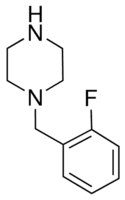
1-(2-Fluorobenzyl)piperazine
C11H15FN2
Chemical Synthesis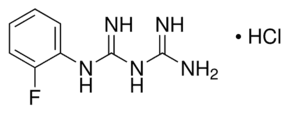
1-(2-Fluorophenyl)biguanide hydrochloride
Chemical Synthesis
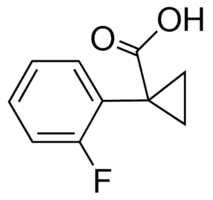
1-(2-Fluorophenyl)cyclopropanecarboxylic acid
C10H9FO2
Chemical Synthesis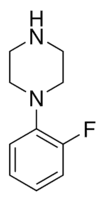
1-(2-Fluorophenyl)piperazine
C10H13FN2
Chemical Synthesis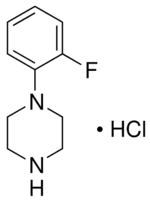
1-(2-Fluorophenyl)piperazine monohydrochloride
C10H13FN2 · HCl
Chemical Synthesis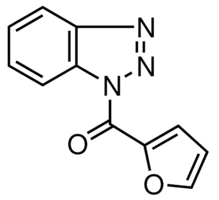
1-(2-Furoyl)-1H-benzotriazole
C11H7N3O2
Chemical Synthesis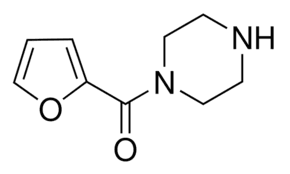
1-(2-Furoyl)piperazine
C9H12N2O2
Chemical Synthesis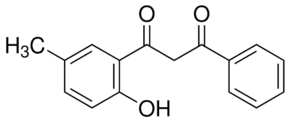
1-(2-Hydroxy-5-methylphenyl)-3-phenyl-1,3-propanedione
Chemical Synthesis
▶ Explore more
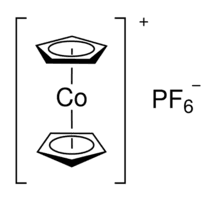
Bis(cyclopentadienyl)cobalt(III) hexafluorophosphate
C10H10CoF6P
Catalysis & Inorganic
1-(4-Chlorophenyl)biguanide hydrochloride
ClC6H4NHC(NH)NHC(NH)NH2 · HCl
Chemical Synthesis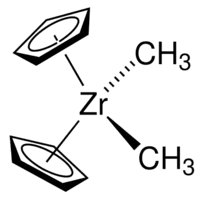
Bis(cyclopentadienyl)dimethylzirconium(IV)
Catalysis & Inorganic
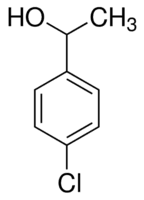
1-(4-Chlorophenyl)ethanol
ClC6H4CH(CH3)OH
Chemical Synthesis